FEATURED
KDA projects are all the result of listening, collaboration and sensitive design within the context of our evolving environment.
MASTERPLANNING
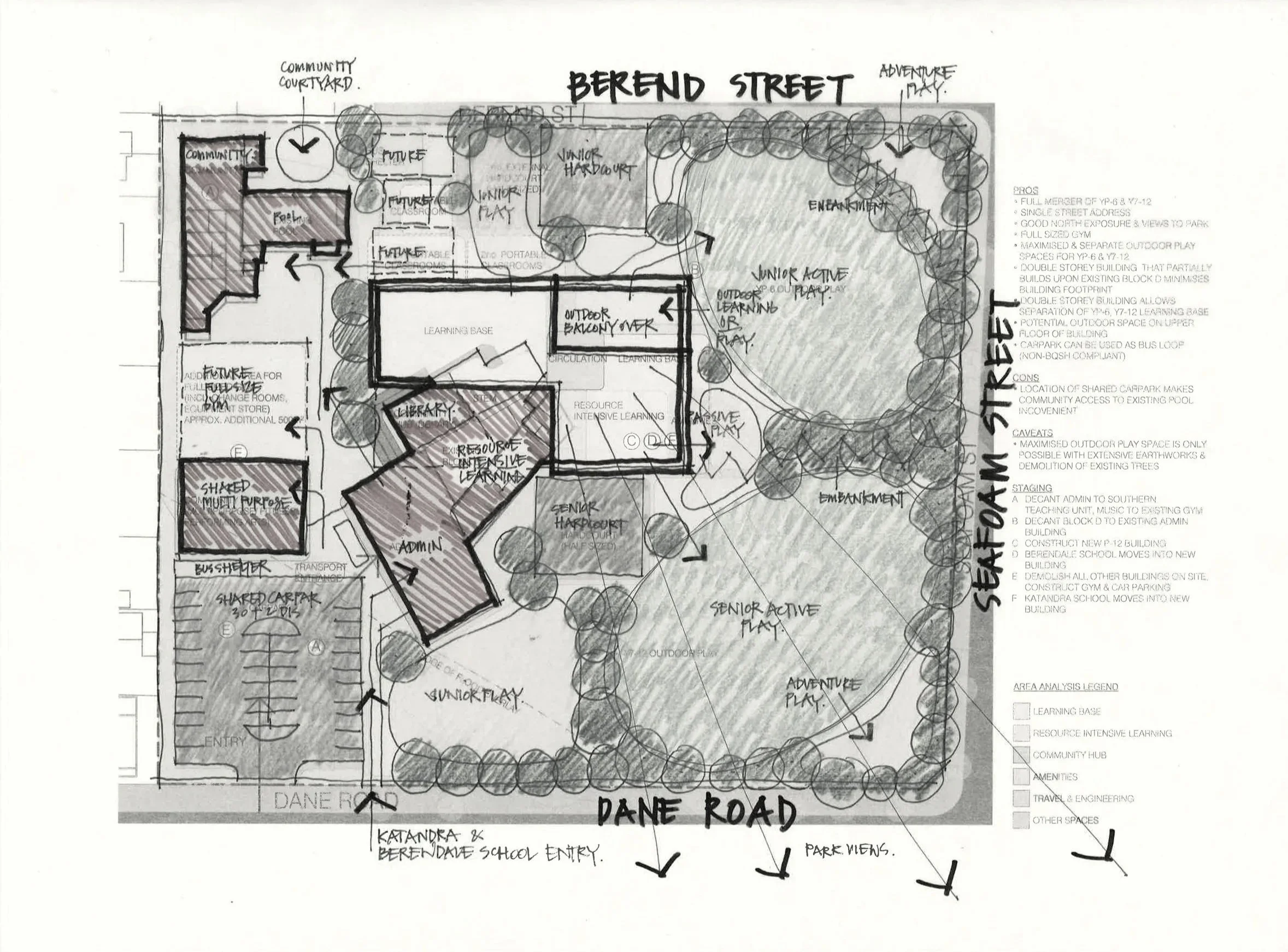
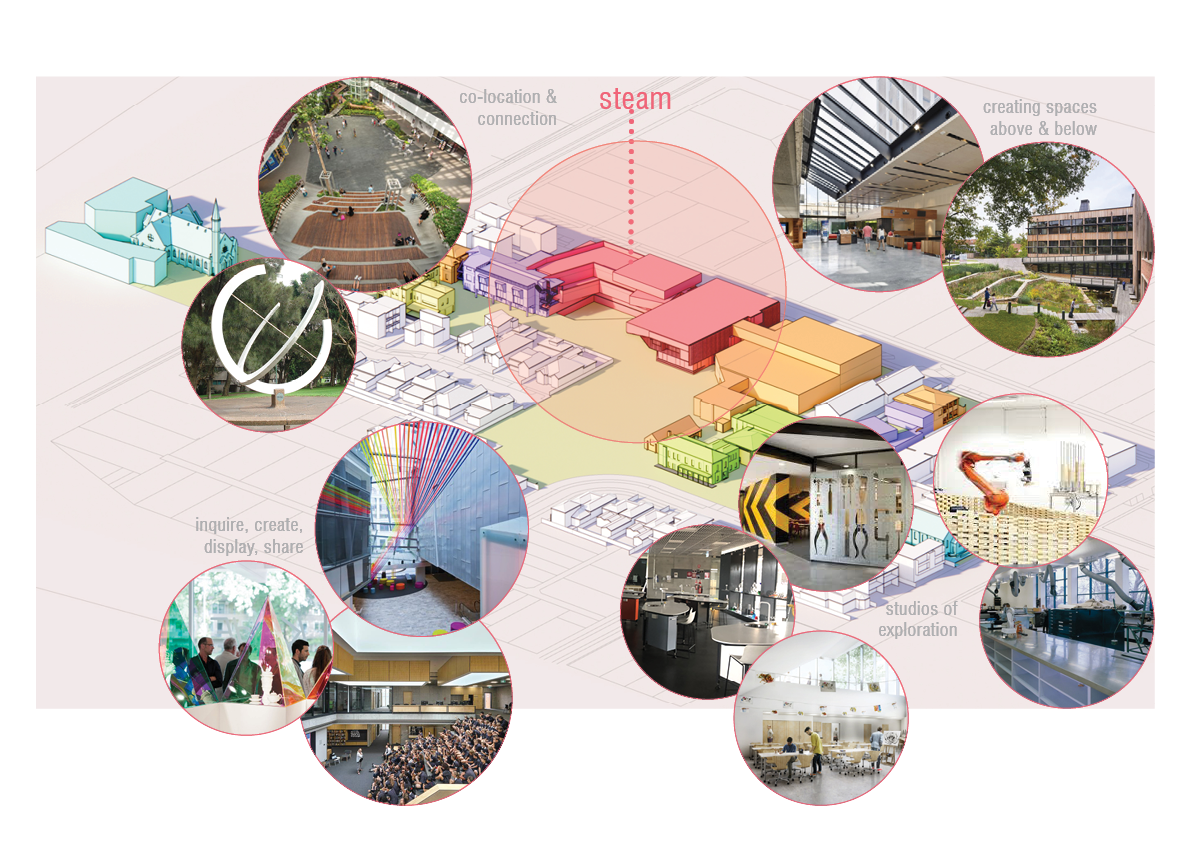
A comprehensive Masterplan looks at the project site in the context of its regional relevance, local neighbourhood and existing internal conditions. Information gathered is analysed and opportunities and constraints identified. Spatial relationship diagrams are used to inform and explore site organisation strategies.
Consultation is key
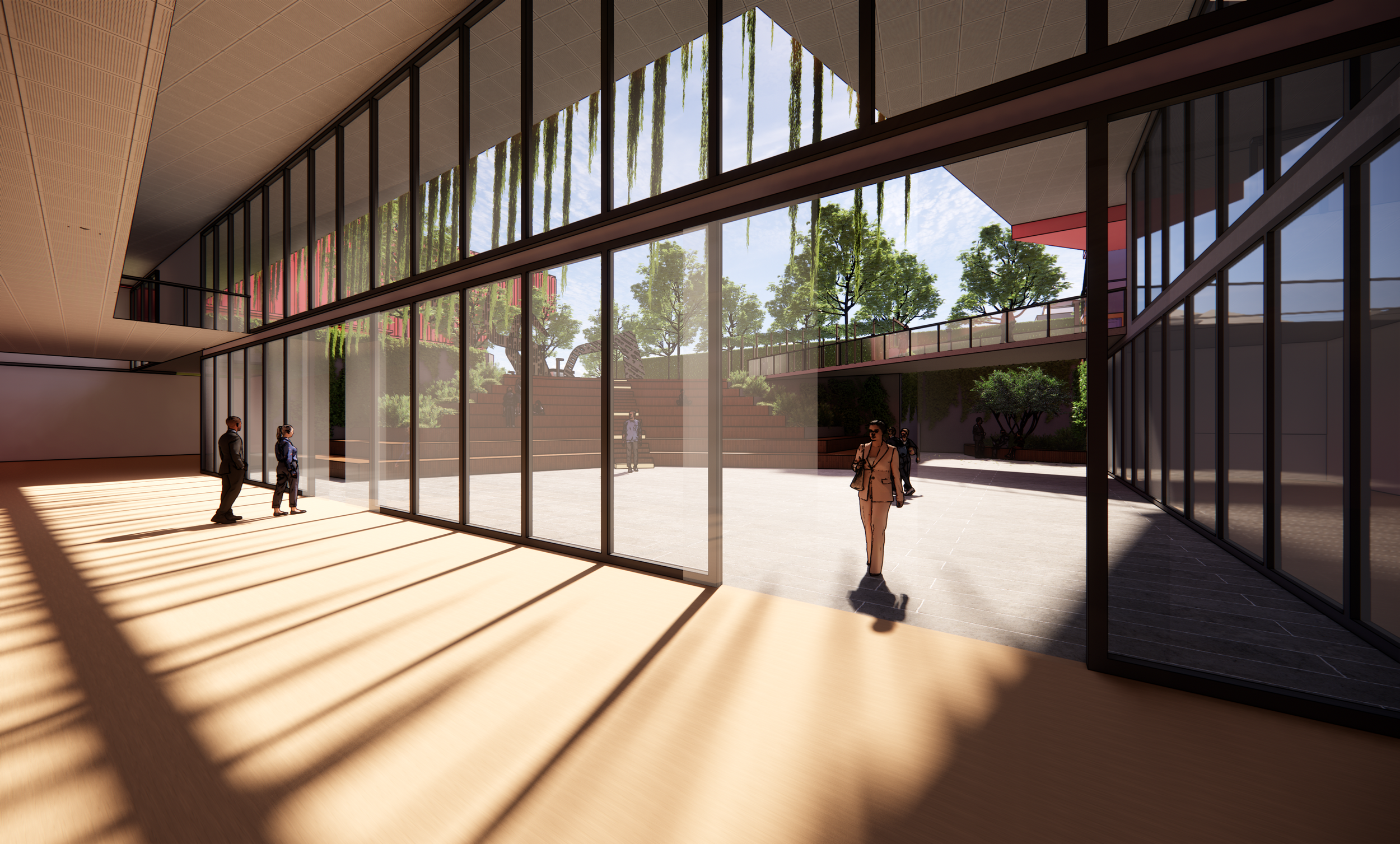
We understand that thorough analysis of data along with consultation and communication are critical to the success of the masterplanning process. The process is usually undertaken in phases, with ongoing consultation and communication with key project members being critical to each phase. We guide and assist the client to create a vision for the future that encompasses not only the fabric and layout of buildings and landscape, but reinforces the values which underpin the organisation. This ensures the final document is based upon a solid foundation of informed decisions and looks to the future with confidence.
Information, exploration, refining
1. Information Gathering
The first phase is a consultation and data gathering phase with thorough analysis of all aspects of the site and client. We invest time to understand the client’s spatial requirements, strategic planning goals and philosophical vision. A schedule of accommodation assists with the analysis of spatial requirements and develops an understanding of the facilities required for current and future needs. This data-driven phase provides a thorough understanding of the campus and the ambitions for it.
2. Exploring Options
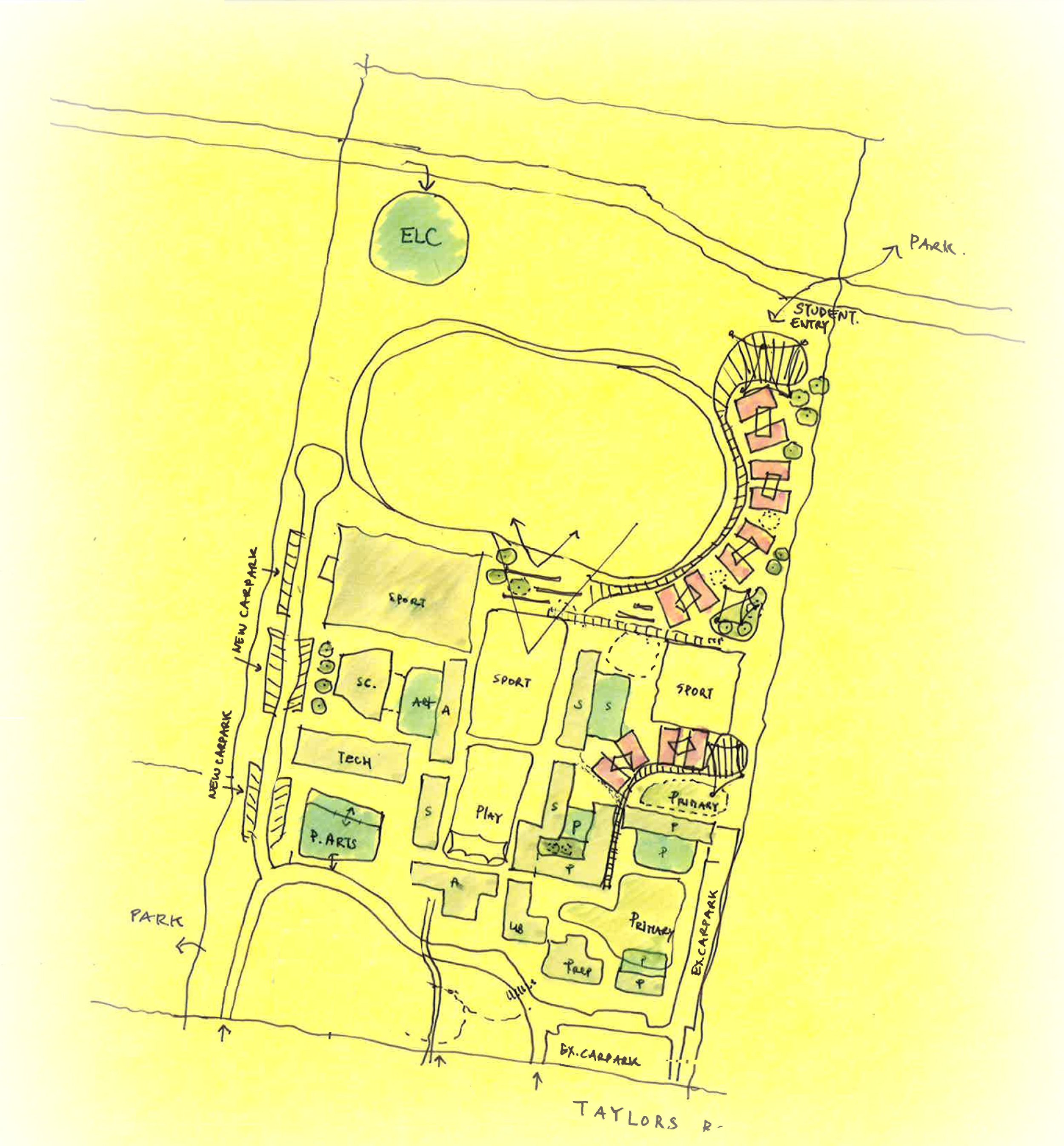
This phase explores spatial relationships, campus patterns, visions, directions and innovative opportunities. Investigation of site organization, possibilities for re-purposing or replacing existing facilities, civic identity, campus communities, and built form and open space are undertaken. Site response and spatial relationship diagrams are used to inform the evolution of options and to further explore strategies. Stake holder workshops are held and there is ongoing consultation and communication with the community. Options are presented for discussion and a matrix prepared analysing the feedback and outcomes.
3. Refining
Consultation with a landscape architect, heritage architect, ESD consultant and town planning consultant inform and support the evolution of the Masterplan options. A preferred option, based on the vigorous undertaking of the previous phases, is then developed and refined in consultation with the client. Project delivery strategies (phasing/decanting/costing) are reviewed and communicated.
TOURISM & LEISURE
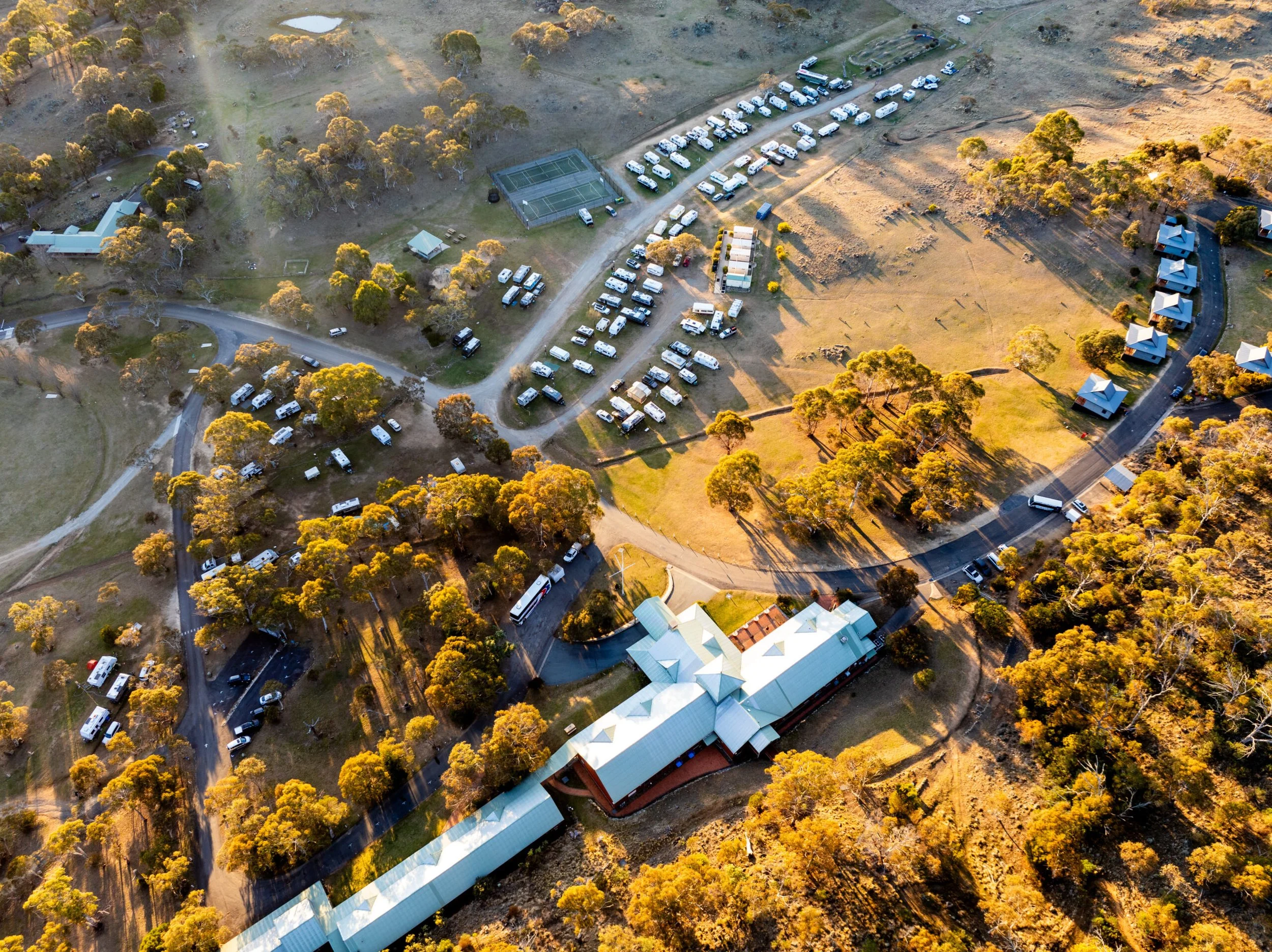
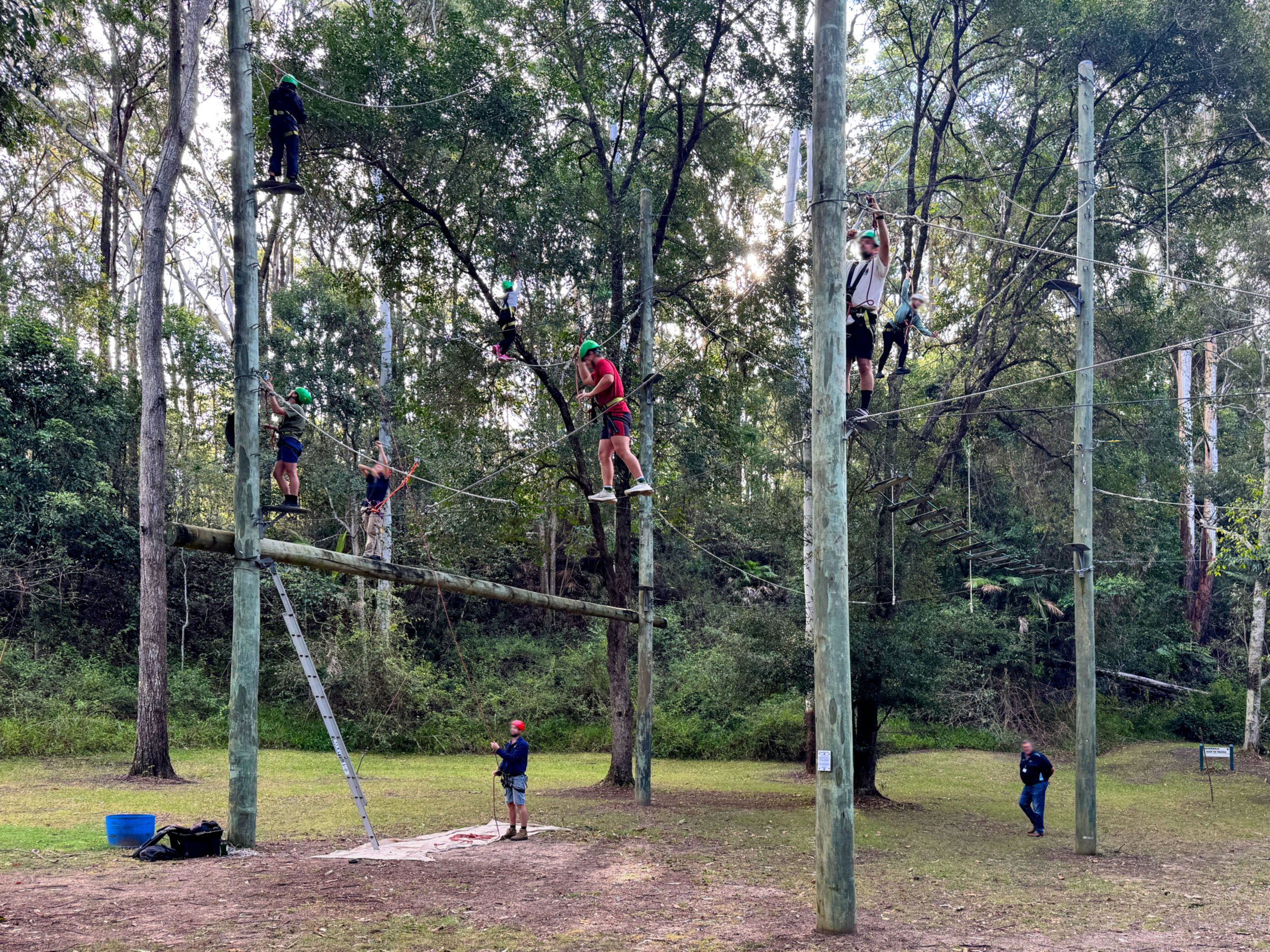
Creating places for retreat, recreation and connection requires an understanding of how people gather, rest and engage with the environment. From school camps and outdoor education facilities to guest accommodation, community retreats and recreation hubs, Kneeler Design Architects aim to deliver welcoming environments that balance functionality, wellbeing and memorable experiences.
Places to gather, explore and reconnect
Tourism and leisure environments often serve diverse users with varying needs, requiring spaces that are flexible, durable and responsive to their surroundings. We understand the importance of designing facilities that foster community, encourage connection to landscape and support a broad range of activities, from learning and recreation to reflection and rest.
Accommodation, communal gathering areas, dining facilities, activity spaces and outdoor environments are carefully considered as interconnected experiences. Through thoughtful planning and a strong relationship between indoor and outdoor spaces, we seek to create destinations that feel engaging, intuitive and deeply connected to place
EDUCATION
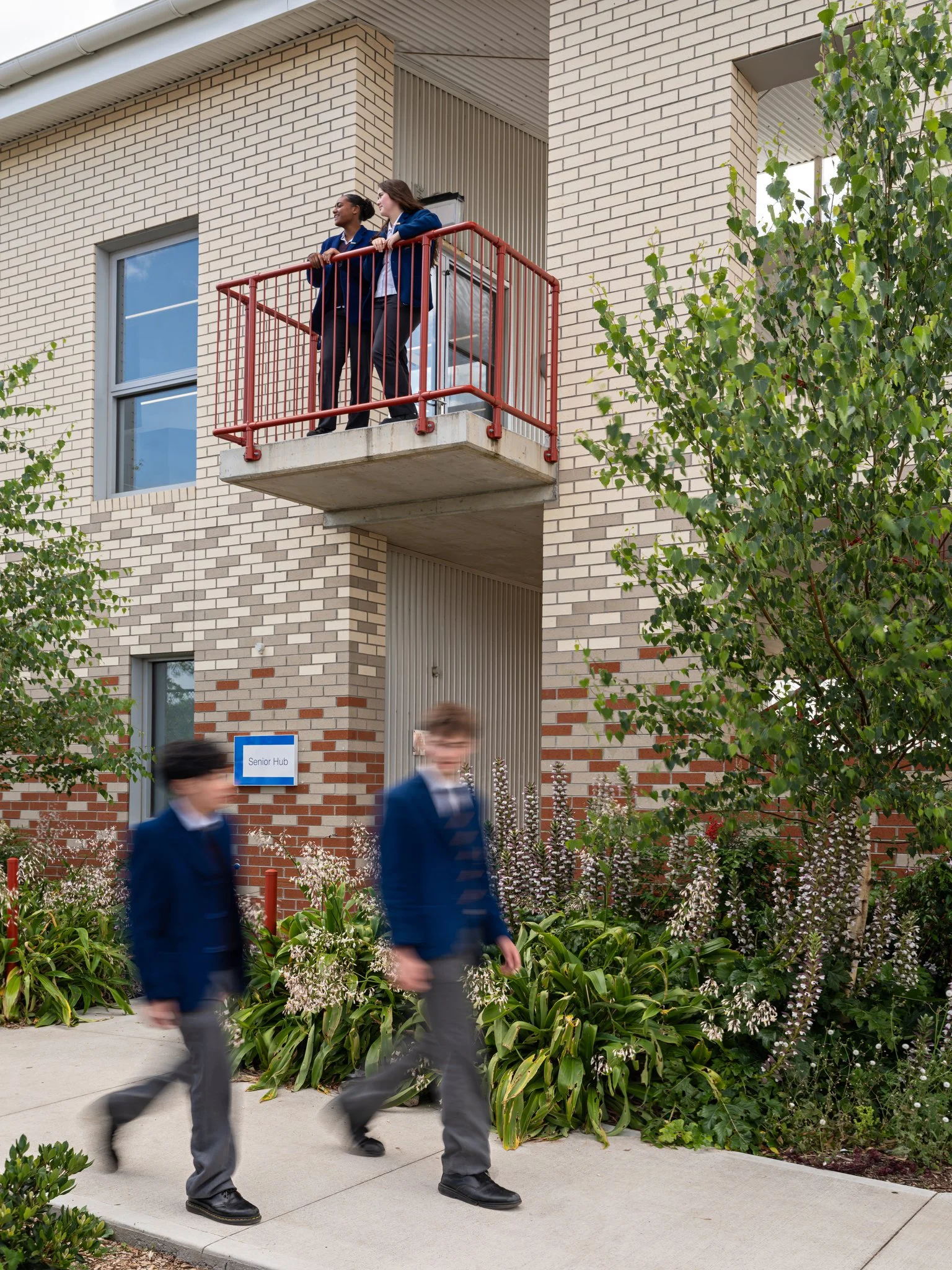
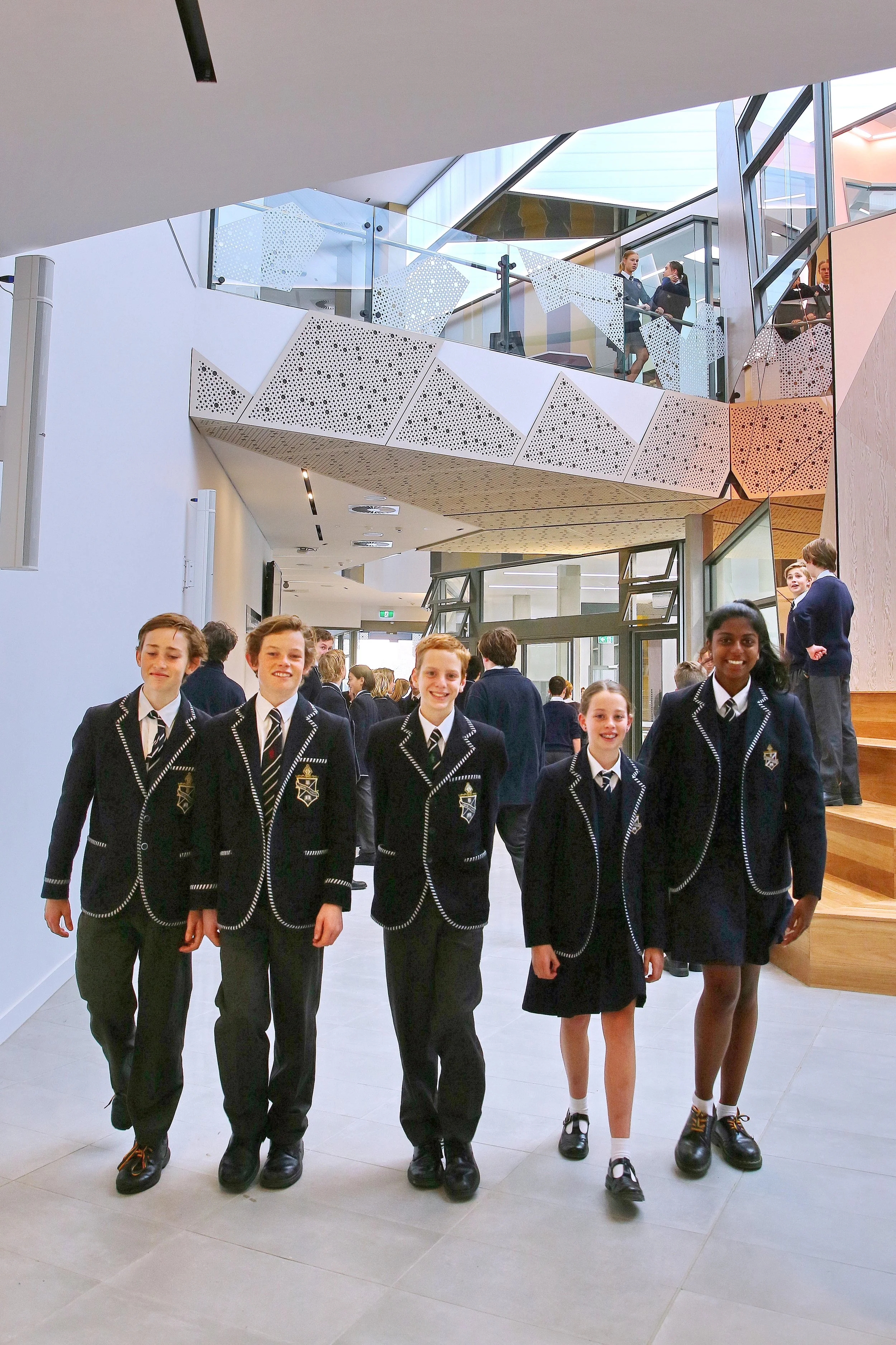
With a rapidly evolving educational landscape at hand, Kneeler Design Architects advocates for an innovative approach to developing facilities for learning.
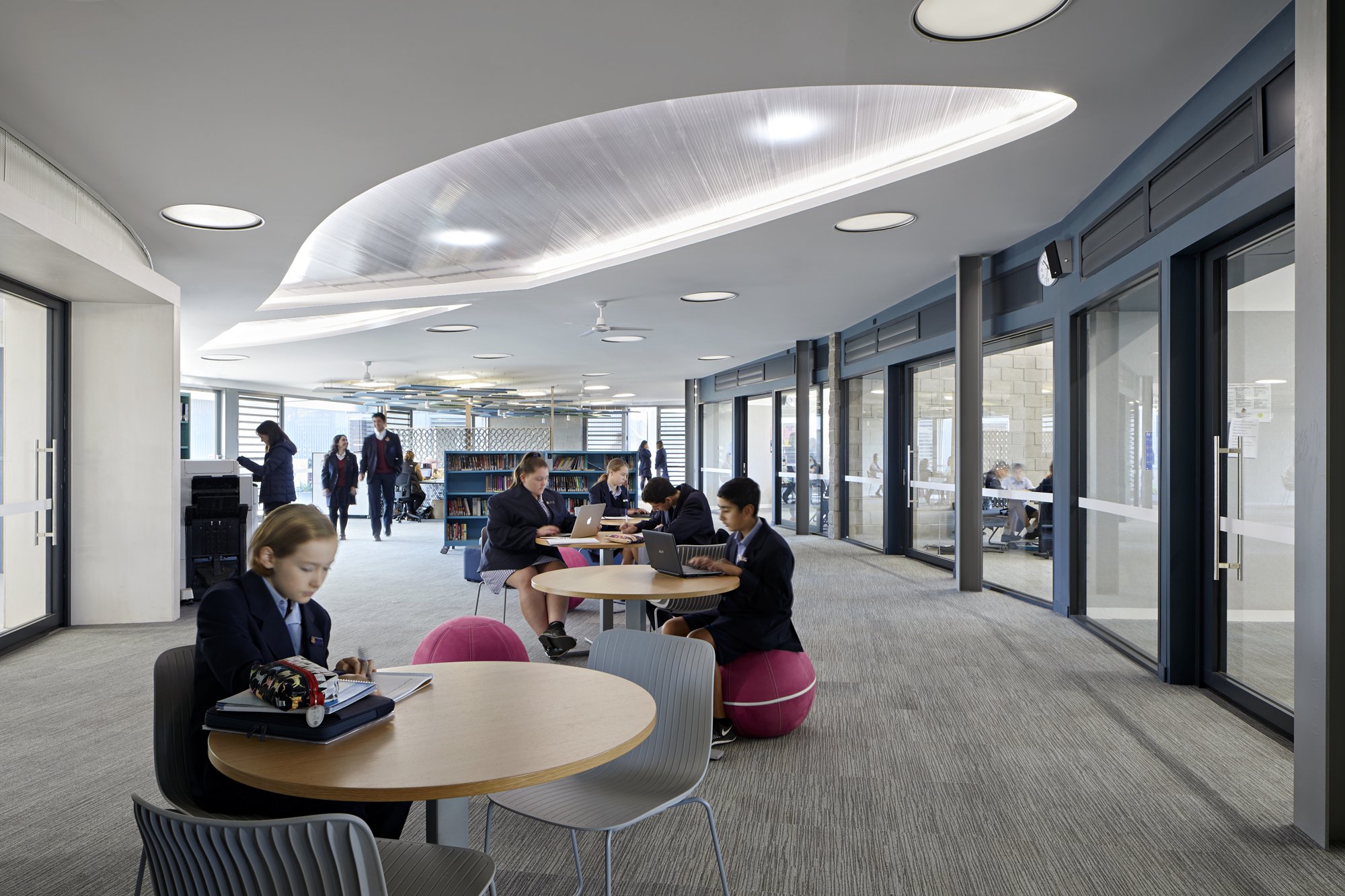
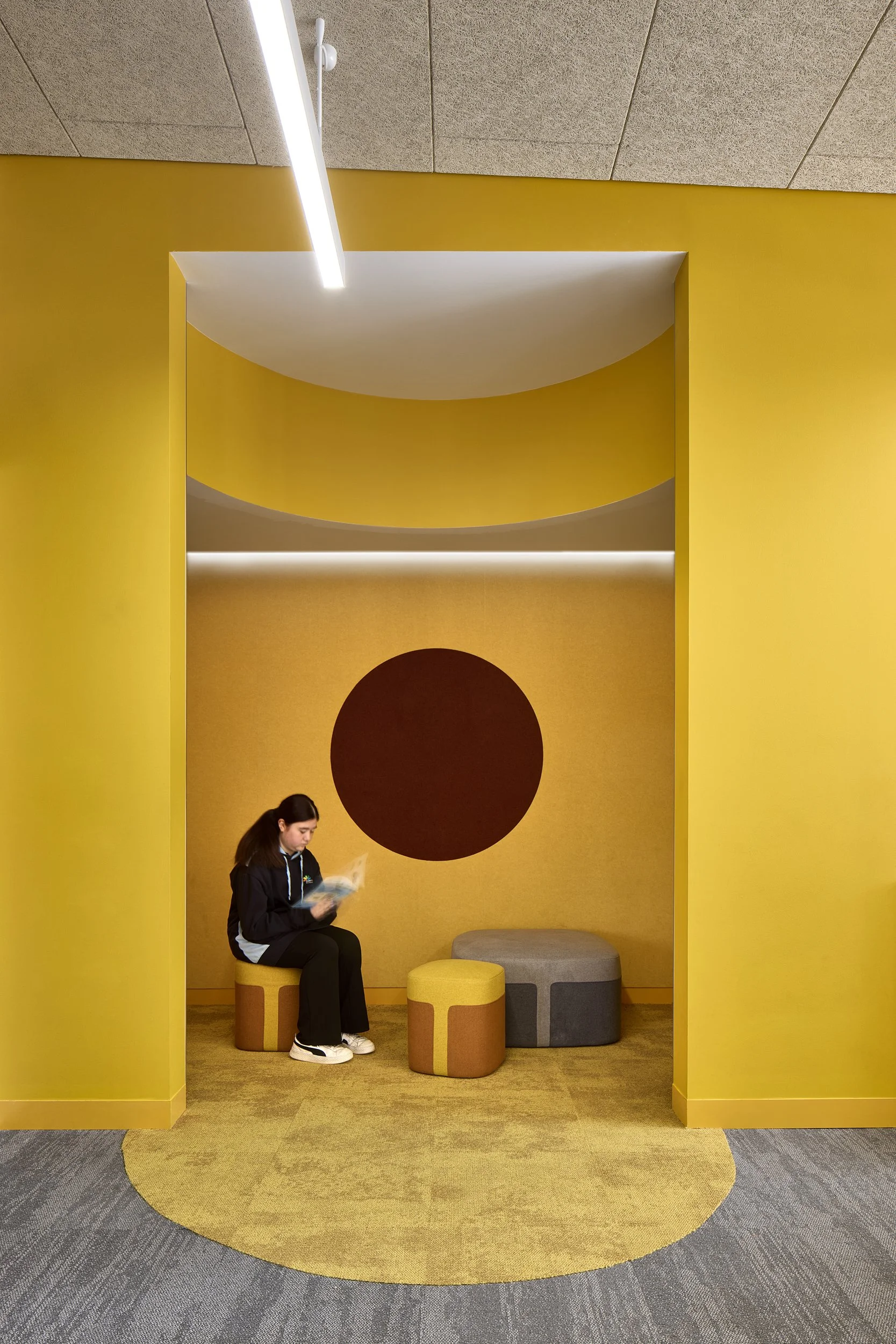
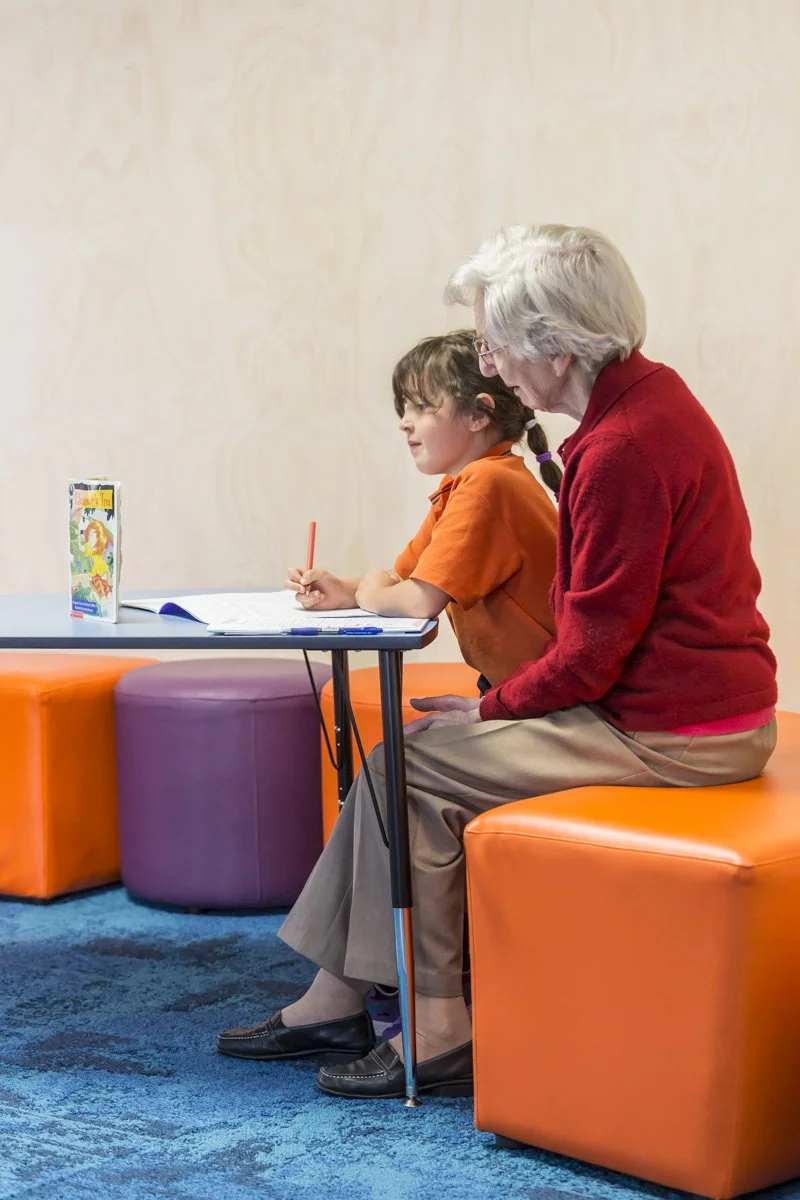
We recognise the need to listen to all involved to understand the pedagogy, educational specification and vision for a particular learning environment.
Creating a school campus for multiple generations of students with diverse needs requires careful planning. Consultation and open communication with stakeholders is vital in the success of an integrated campus. At KDA, we work hard to deliver educational spaces that empower the students, educators and the community in their ongoing learning journeys.
Learning to Adapt
EARLY LEARNING
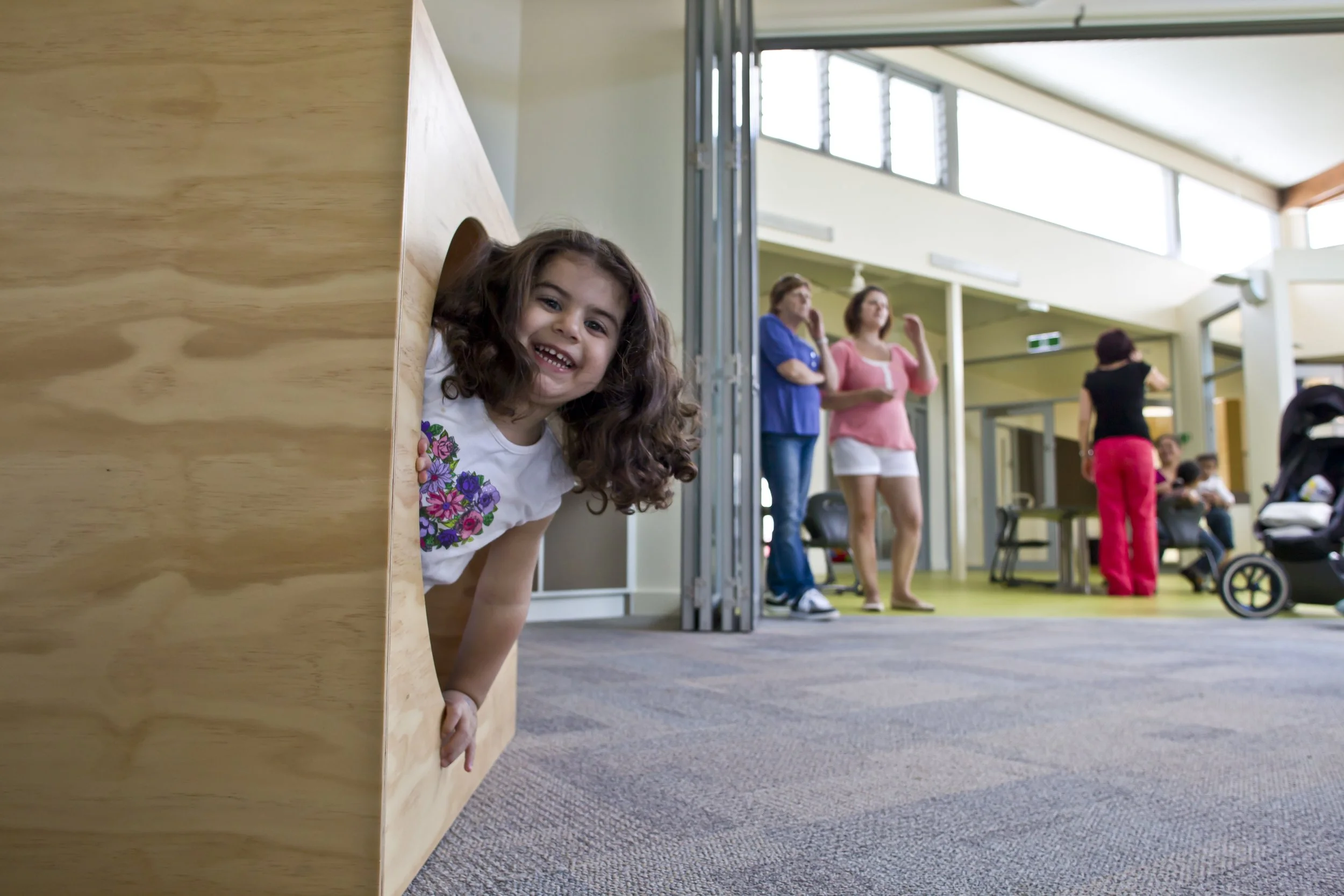
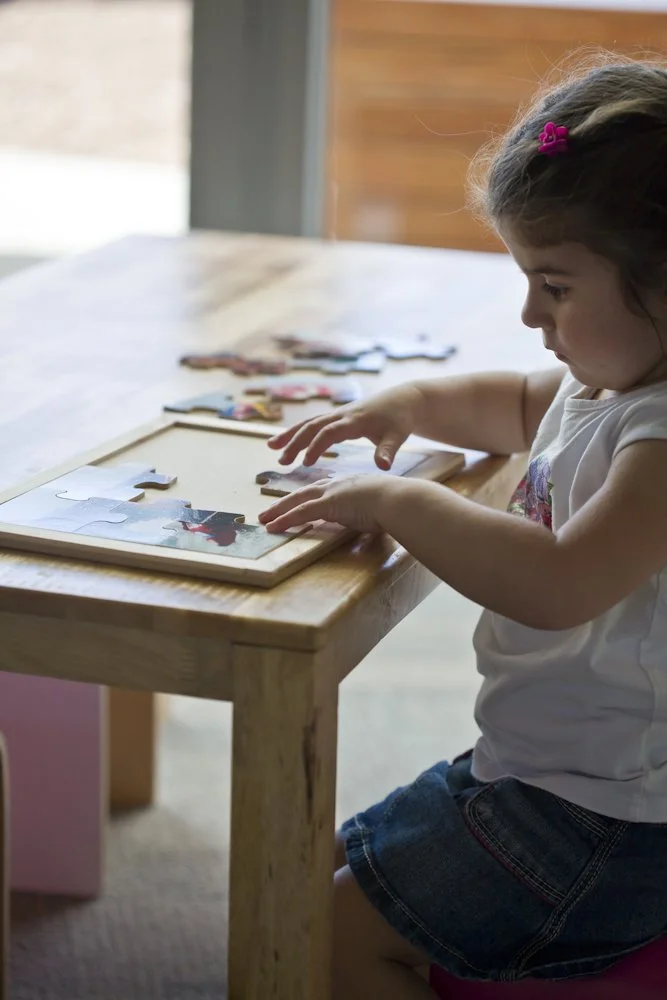
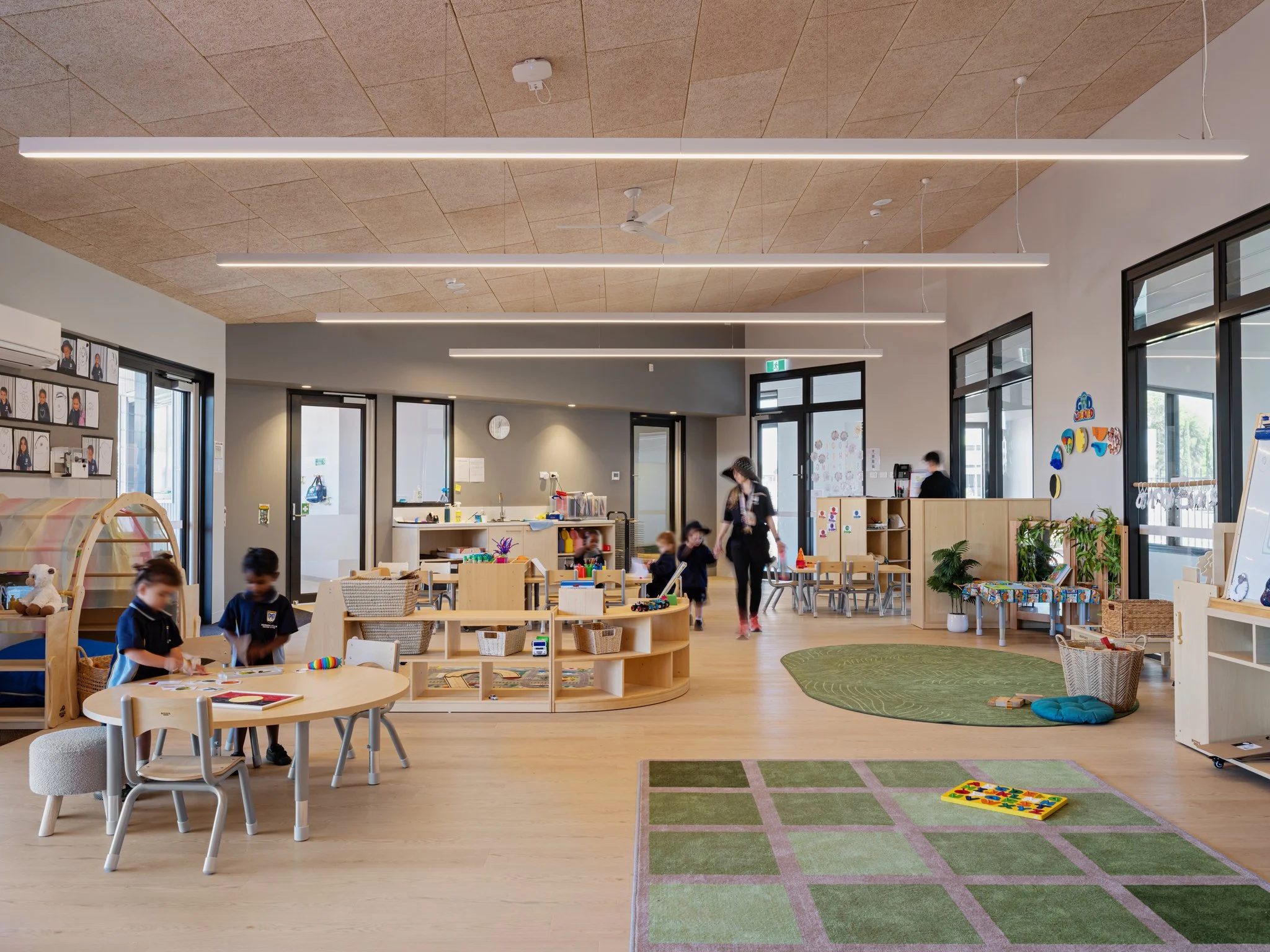
Diverse approaches to early childhood education allows for the integration of community service programs and pathways for lifelong learning.
Fit for community
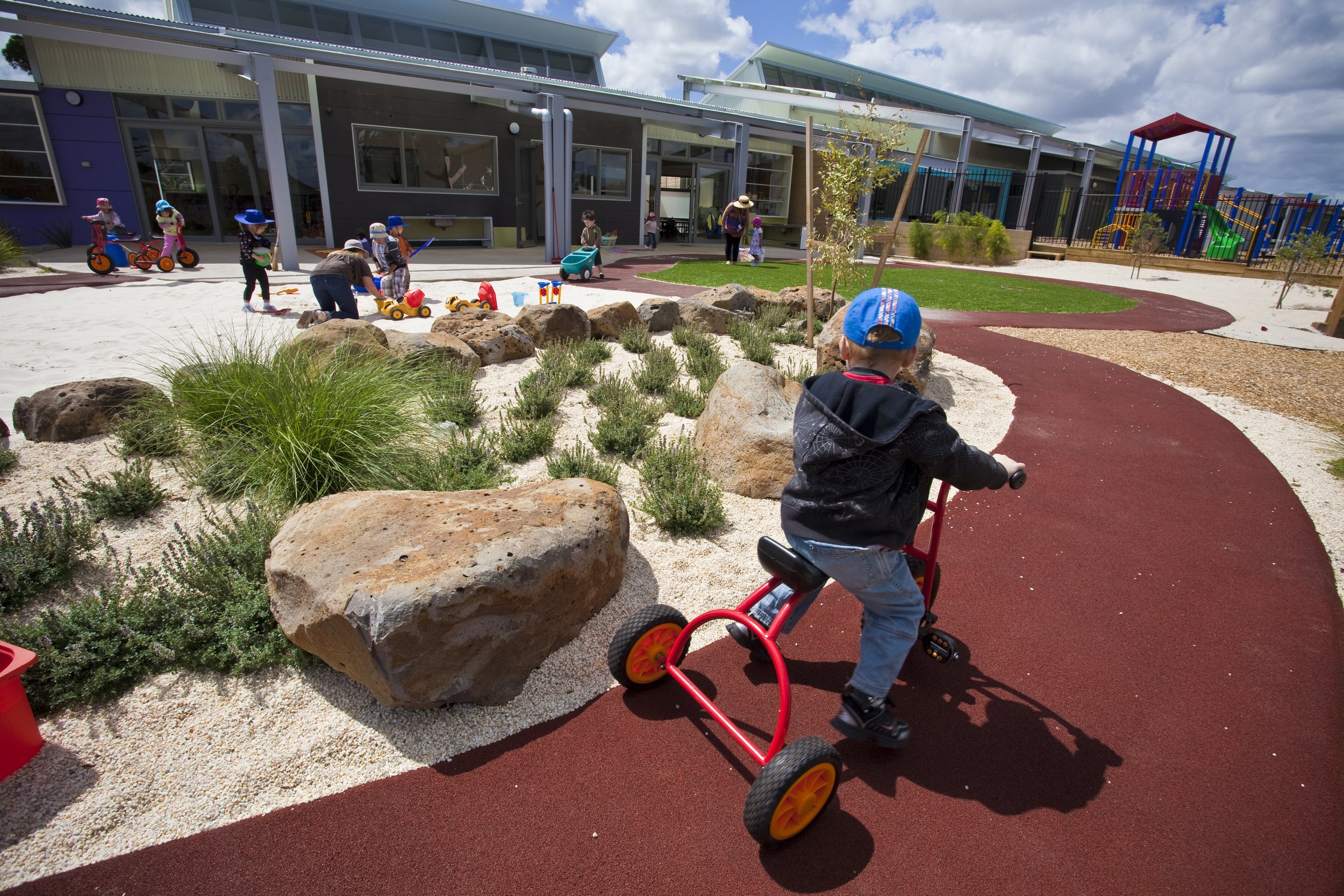
Facilitating integration in multiple ways is an important focus of early learning projects. These facilities play an important role within the community, often within a much larger education precinct. The aim of these projects is to provide safe, engaging and flexible learning spaces for young children, while conforming to the detailed requirements of the Children’s Services Regulations.
SPECIAL NEEDS
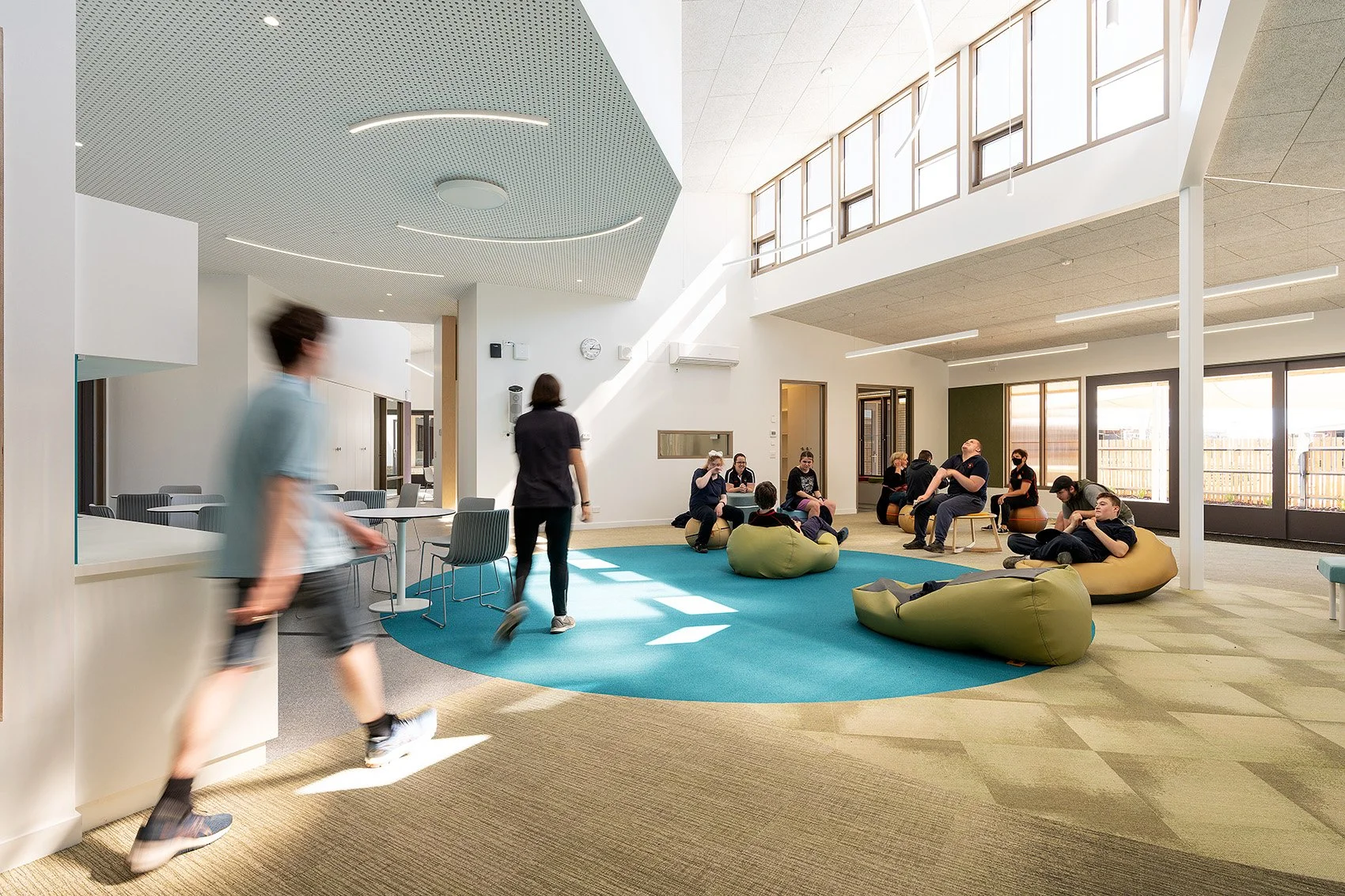
Special Schools provide dedicated education for students with specific physical or intellectual disabilities.
Designing for all
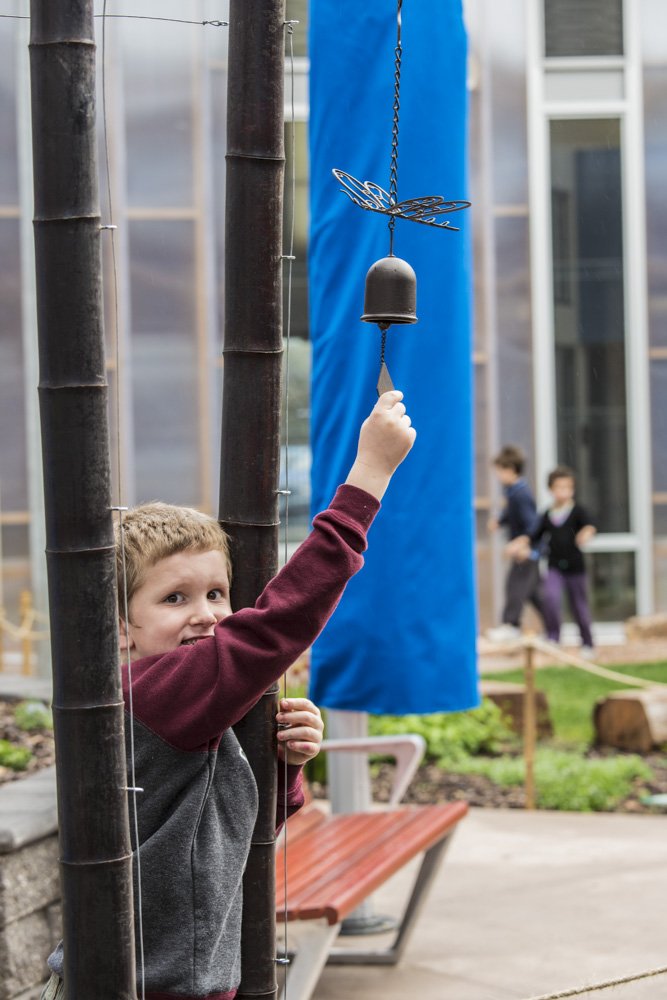
The ability to teach life skills and offer genuine community engagement to students with special needs is paramount. KDA has pioneered innovative, user-centred spaces that integrate inclusive learning environments with flexible learning experiences. Self control and self-soothing strategies are supported by the built form through considered planning, detailed attention to acoustics and the inclusion of retreat spaces such as sensory gardens.
KDA always aims to encourage collaboration and, where possible, integration between specialist and mainstream facilities to produce inclusive learning communities with no barriers between mainstream and specialist learning.
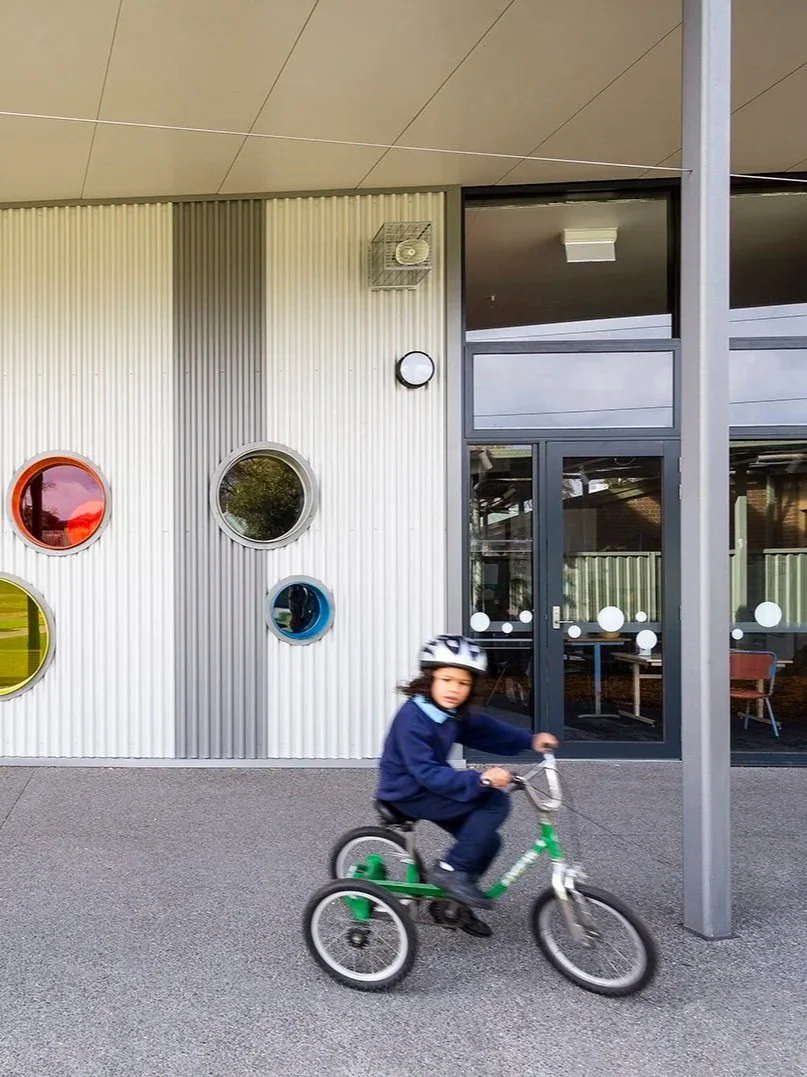
“Working with Robert and the team on such a project was extremely gratifying. They had a clear vision that aligns with our school community. The result is a building that is not just bricks and mortar, but a home for our school community that allows them to set and achieve goals not previously within their reach. For students with cognitive, sensory, emotional and physical disabilities, it is opening up doors that were previously locked.”
COMMUNITY & WORSHIP
Recognising the importance of places for community gathering, expression of faith and social support, Kneeler Design Architects strives to create spaces that fully engage with and serve the communities they belong to.
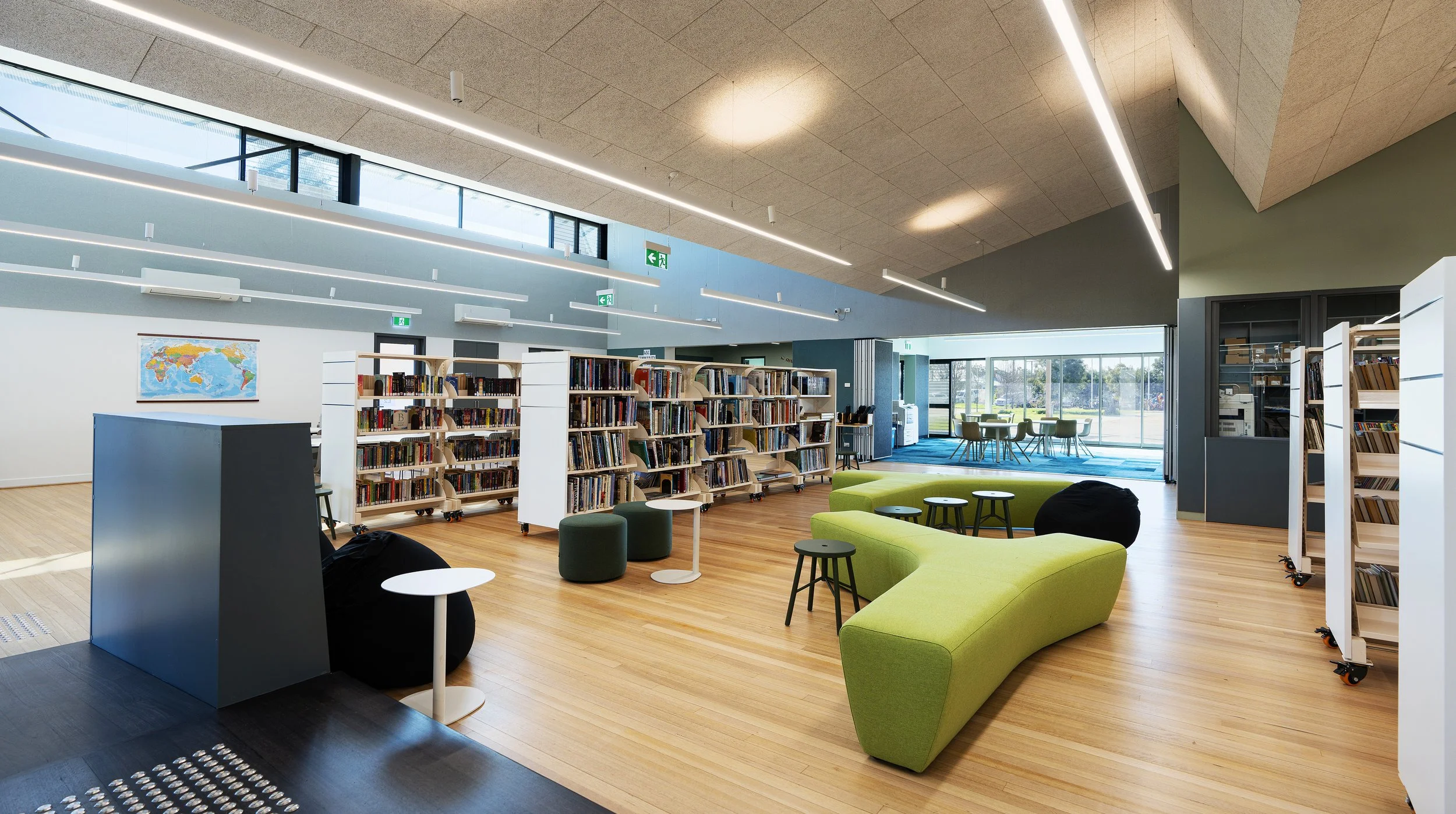
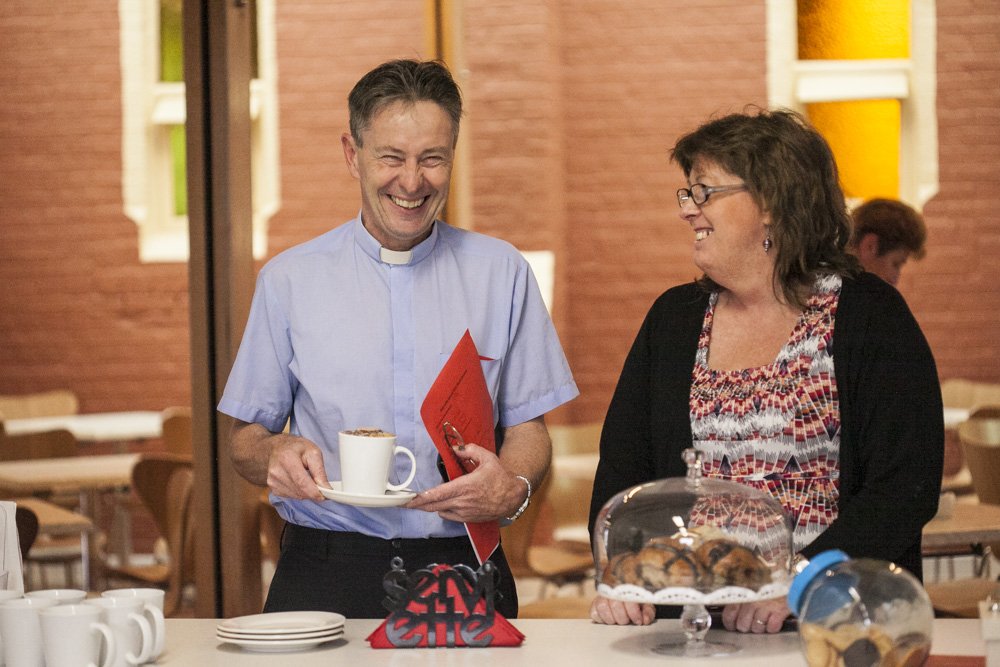
Unity in diversity
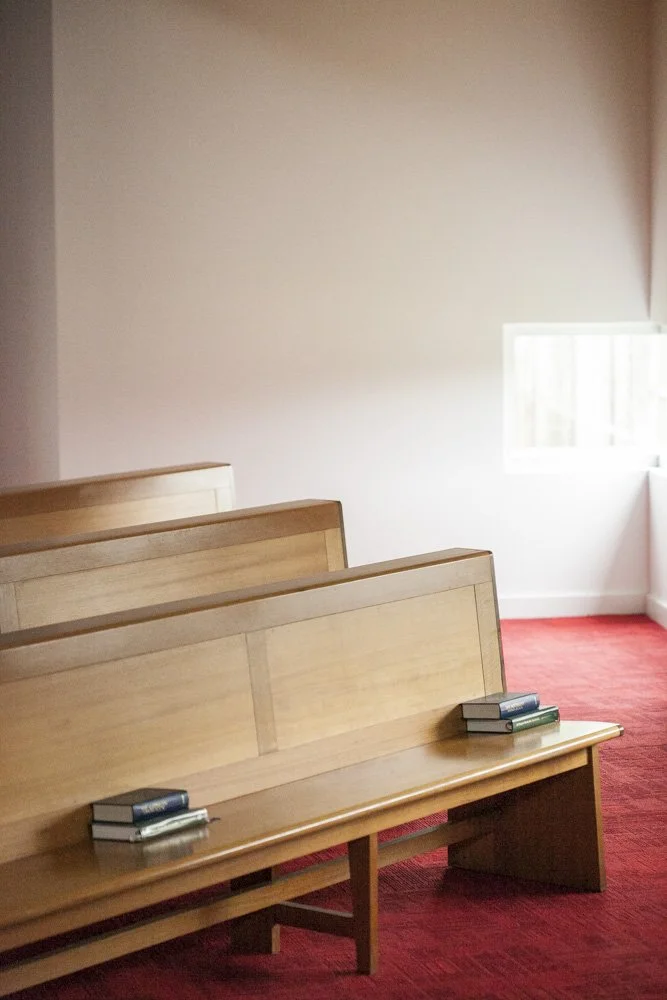
Places of worship, libraries and community centres are hubs for lifelong learning, of community resources and engagement, and for practising faiths and ideals. At Kneeler Design Architects we look to listen, understand and provide a design to meet the varying needs of these essential community facilities.

SPORTS & WELLBEING
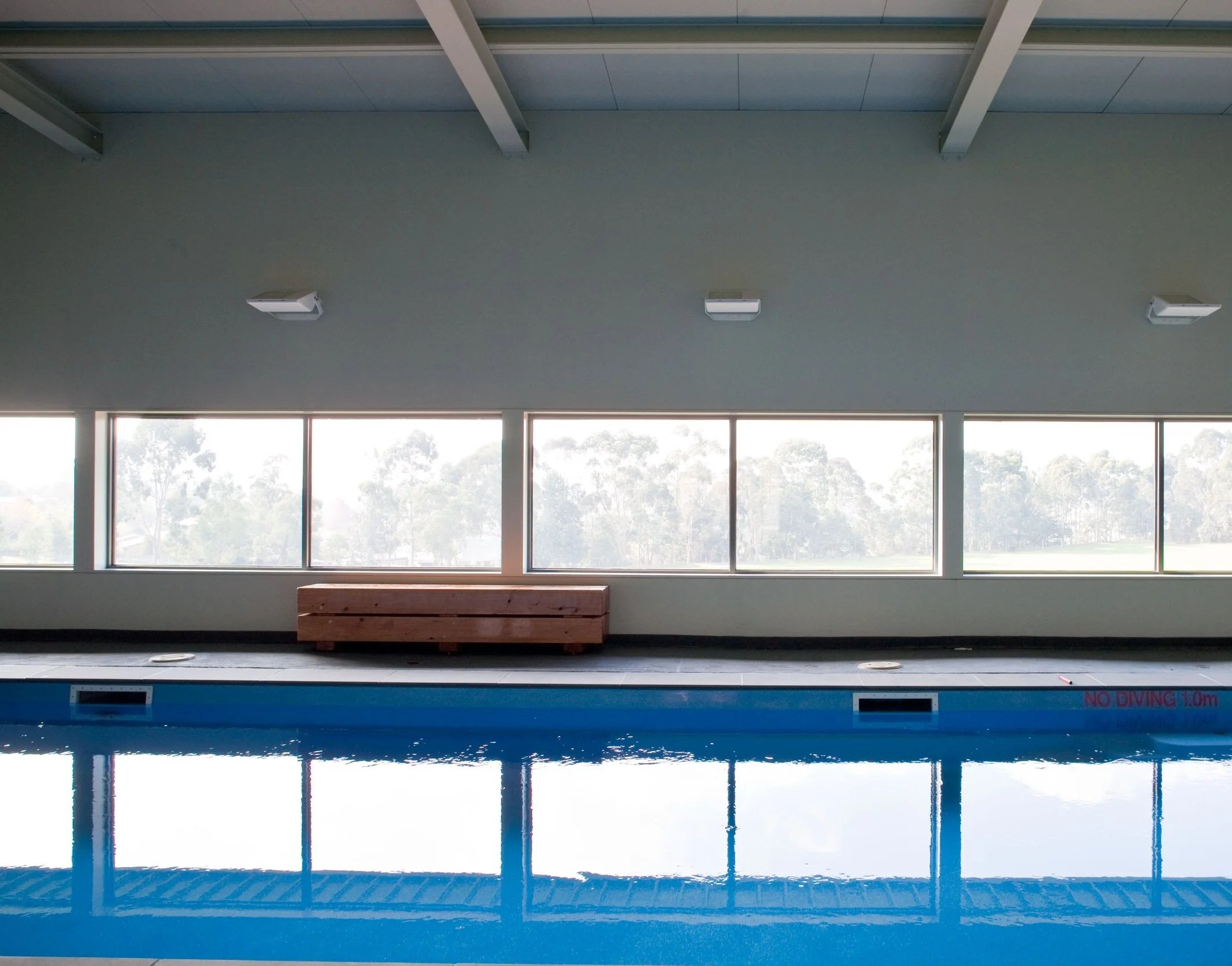
A strong, evidenced link between physical activity and wellbeing has heightened community awareness on structured physical activities and casual play to support healthy lifestyles at all ages.
A healthy variety
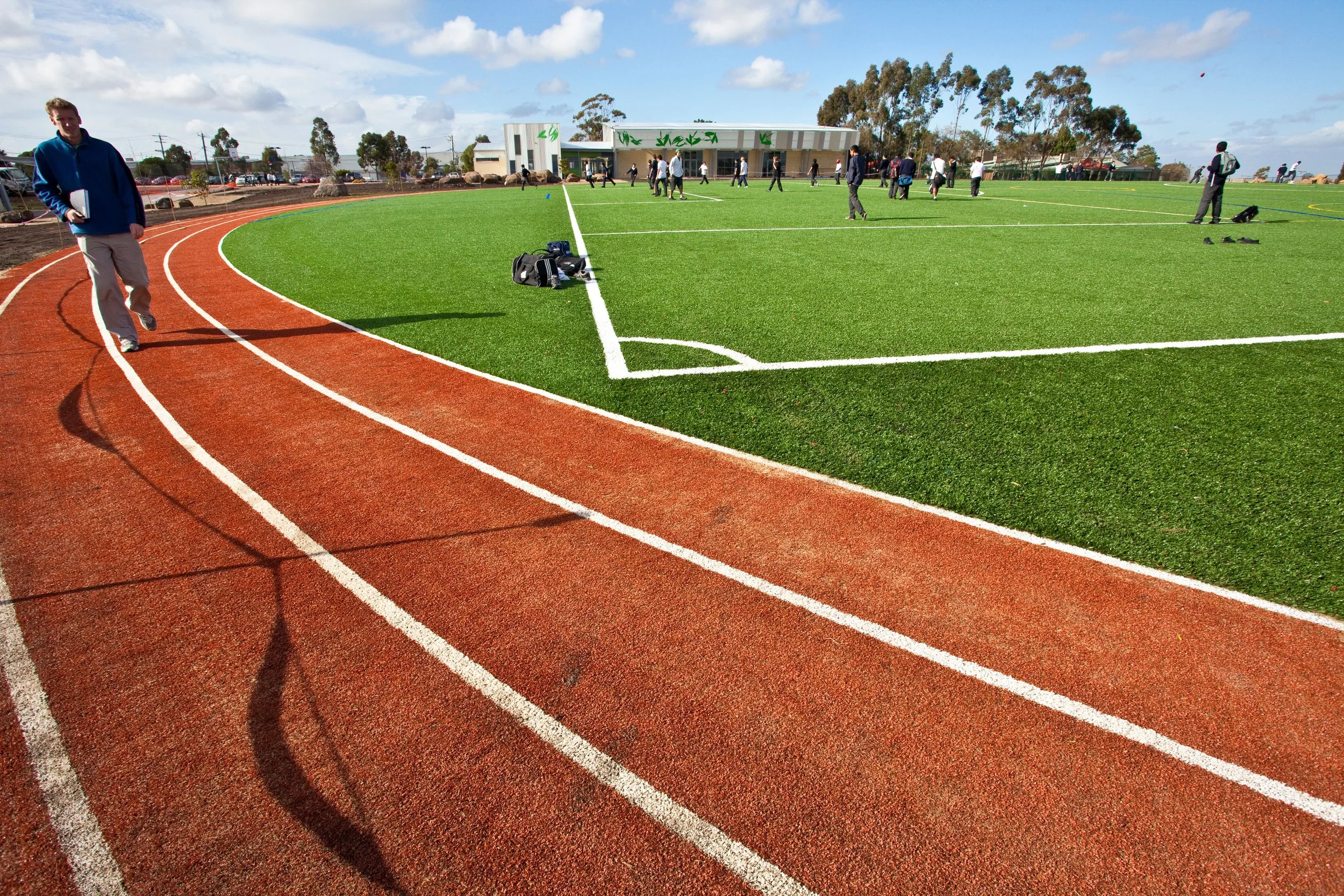
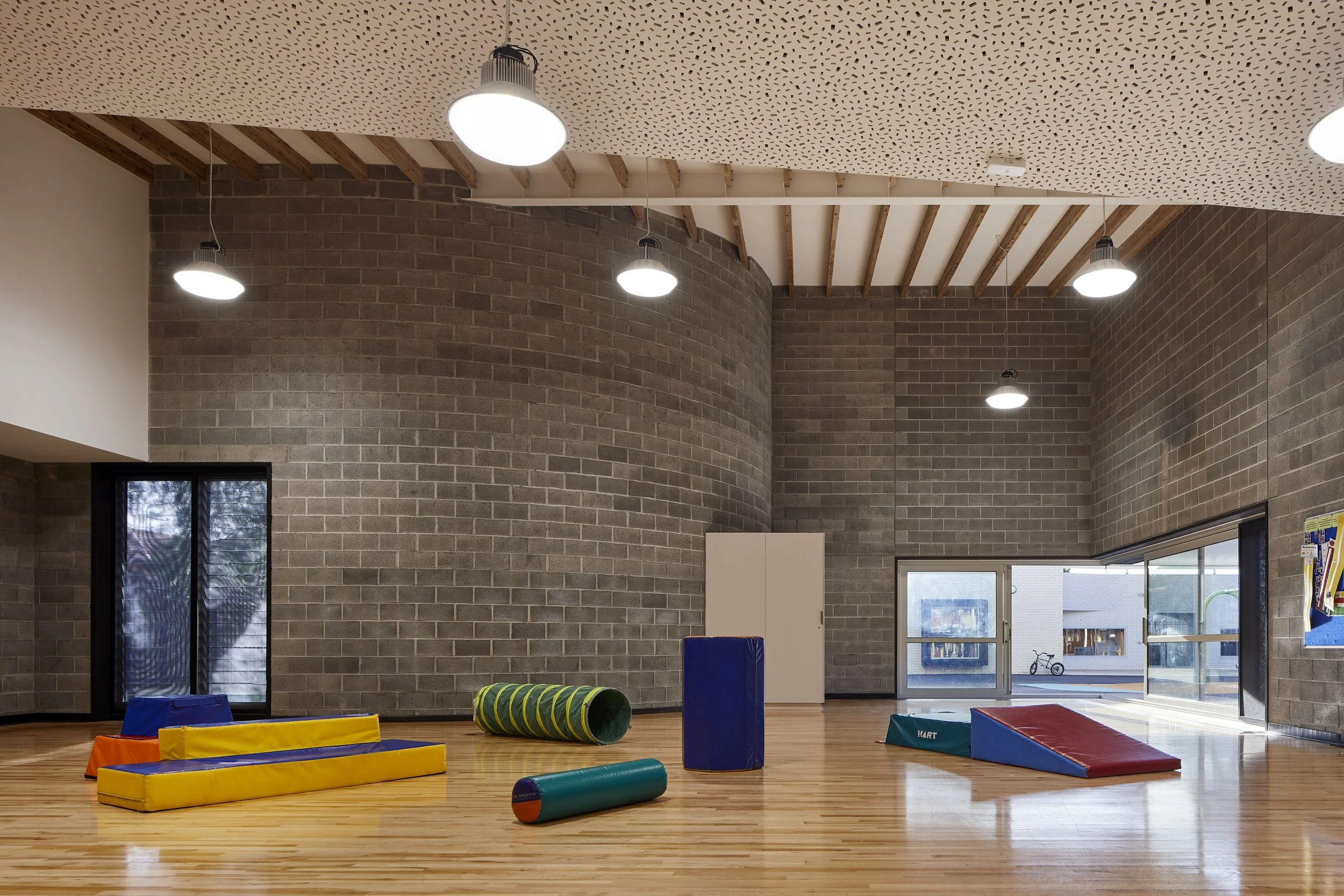
KDA has experience in providing facilities for a full range of sports, health and wellbeing activities. At a formal level, this includes sports centres housing internal courts, gymnasiums, therapy pools, viewing areas, linked academic spaces and associated facilities such as change rooms, storage and kiosks. Outdoor sporting fields, both artificial turf and grass, and external courts line marked to suit a variety of activities often supplement the built form.
Half courts, hit up walls, ping pong tables, circuit tracks and mirrored kinetic studios have also been utilised for less formal activities and to encourage impromptu opportunities for more casual physical activity.

PERFORMING ARTS
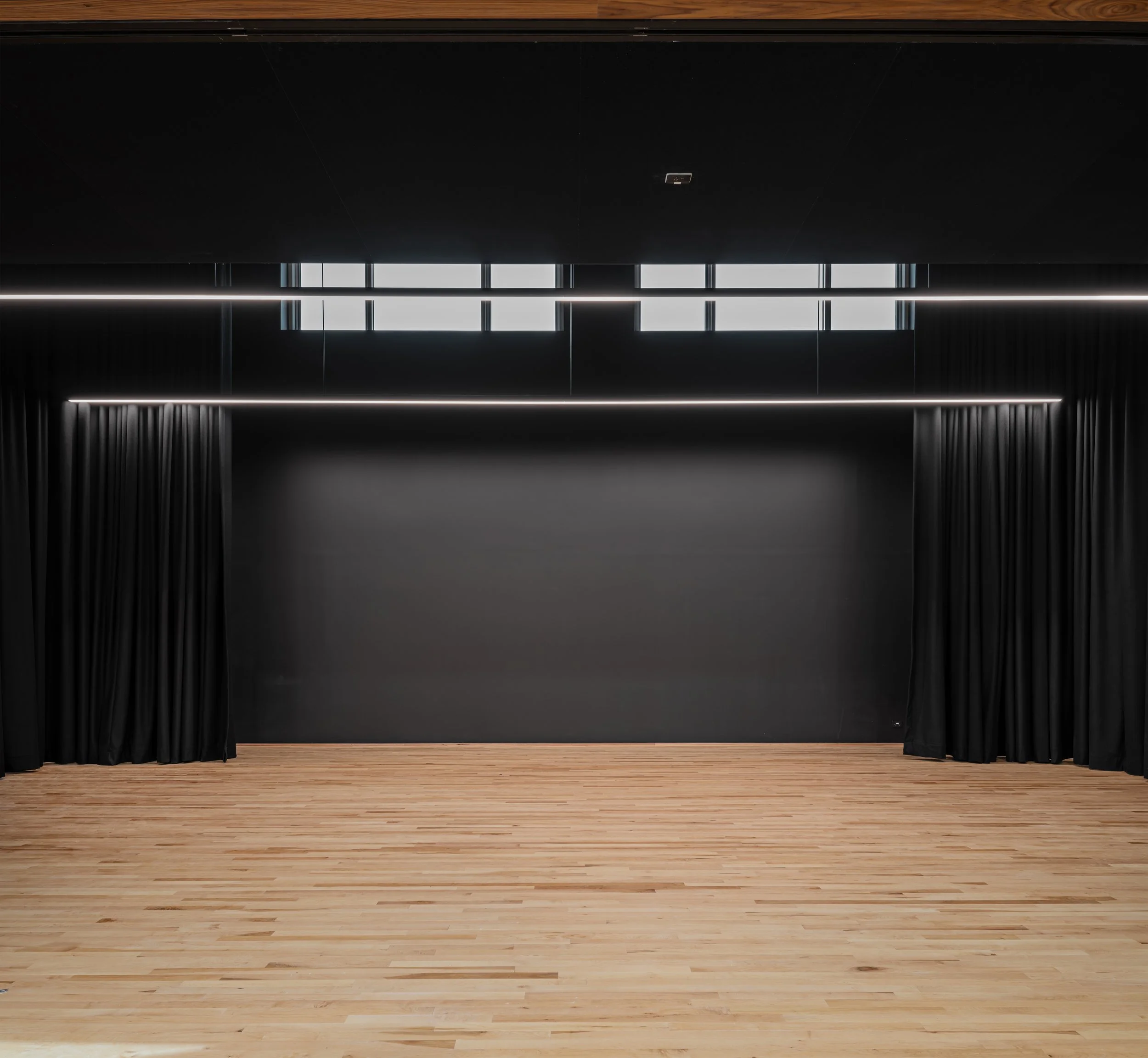
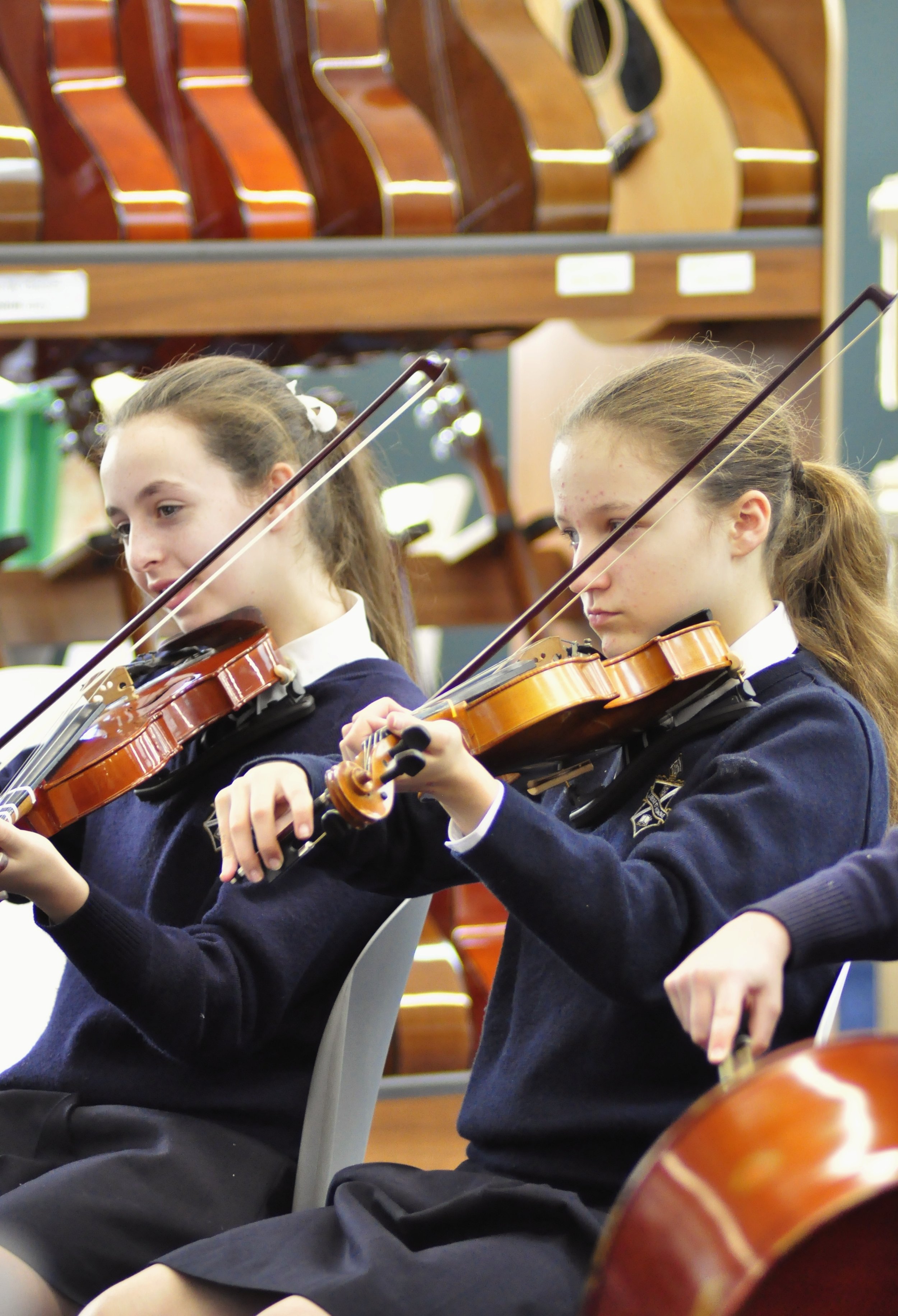
At Kneeler Design Architects, we aim to design performing arts spaces that engage performers and spectators alike. Our design focus extends beyond the performance space to encompass back of house functions and support spaces.

Multifaceted production
KDA has enjoyed working on projects that feature complex large-scale theatres through to casual tiered seating and intimate presentation platforms. We aim to design spaces which are flexible and are planned to encourage wide participation, as well as solving the problems of storage and acoustics. We understand the benefits of formal and informal, large and small performance spaces and the need for flexibility of these spaces for a myriad of uses. Where the project requires, we work collaboratively with specialist consultants in theatre, acoustic and services engineering.
FOOD & HOSPITALITY
Our approach to the design of Food & Hospitality facilities is to deliver practical spaces that prioritise safety and hygiene, whilst ensuring full integration with the broader precinct in which the facility belongs.

Culinary skills & social benefits
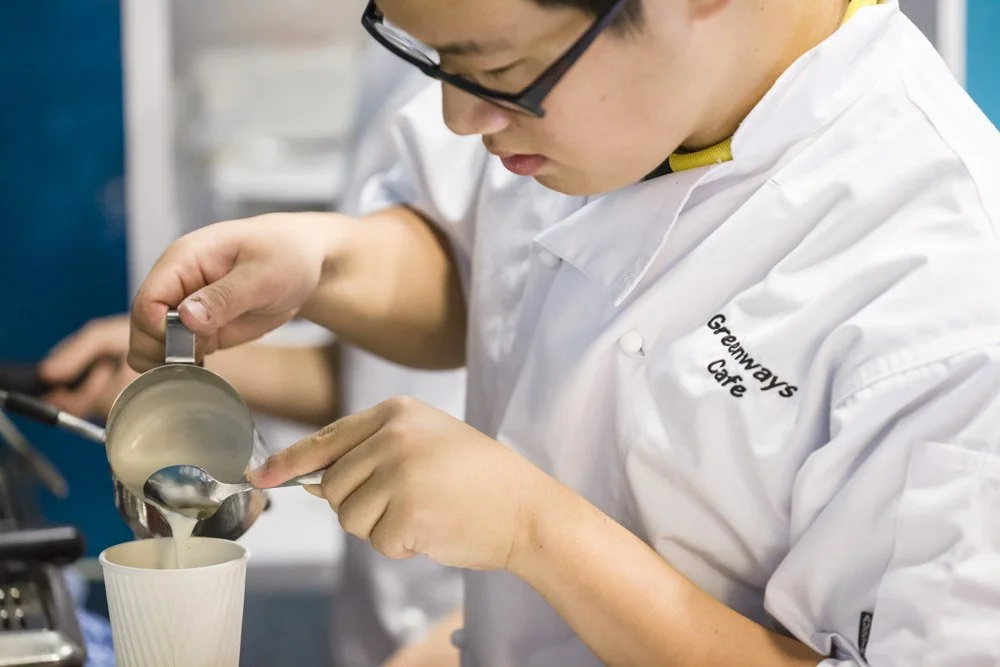
Practical considerations such as material selection, efficient storage, work health and safety and safe delivery access must be understood and addressed during the design of spaces for food preparation. Kneeler Design Architects’ aim in delivering kitchen and hospitality facilities is to provide a safe and inspiring environment that allows the development of skills in areas both culinary and social.
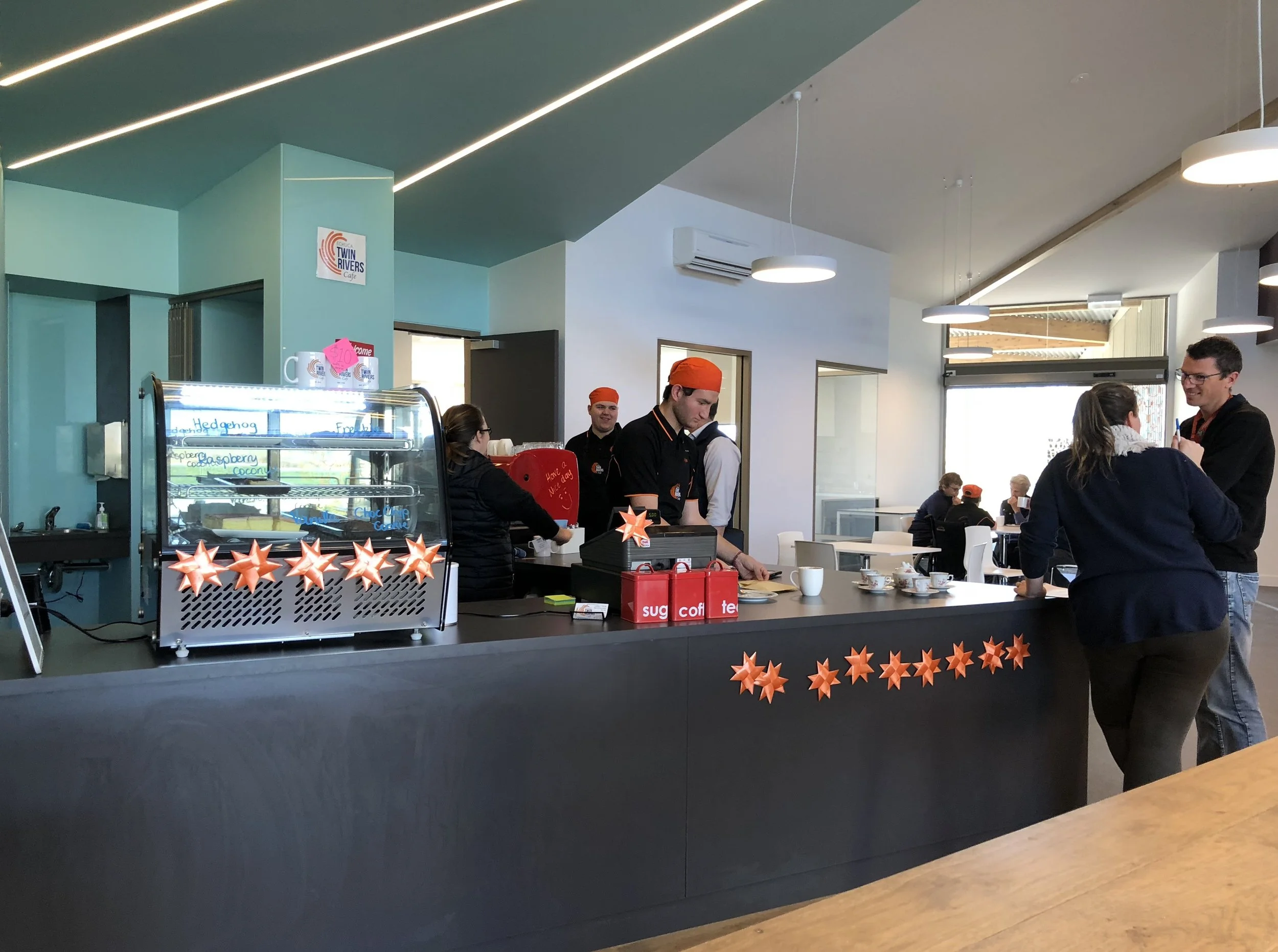
Providing direct and easy access to communal dining areas and outdoor kitchen gardens, creating physical links to performance and gathering spaces to cater for functions, or the provision of a Café run by school students provides greater functionality of the kitchen spaces and allows for the social enjoyment of food.
SCIENCE & CREATIVE ARTS
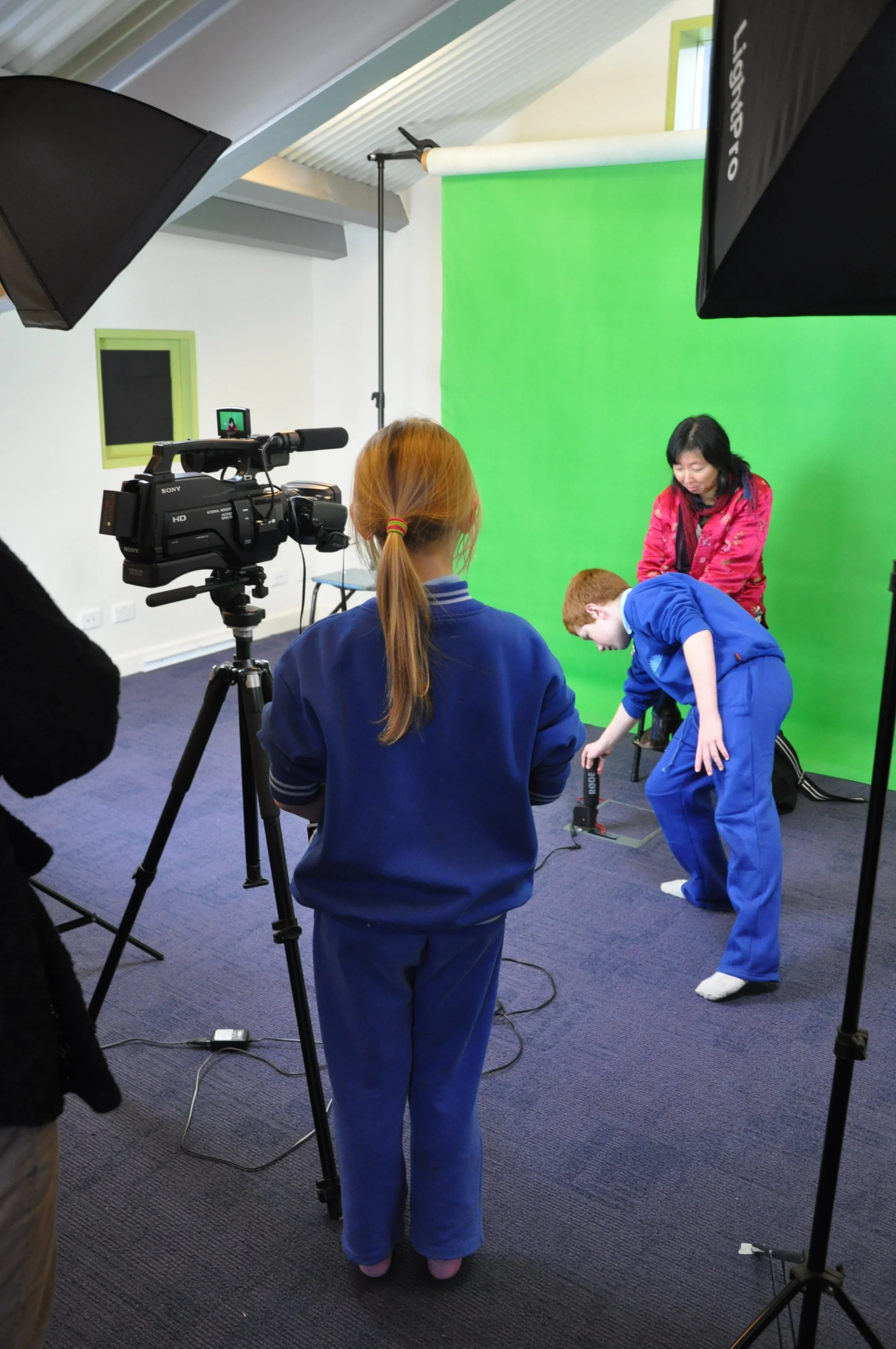
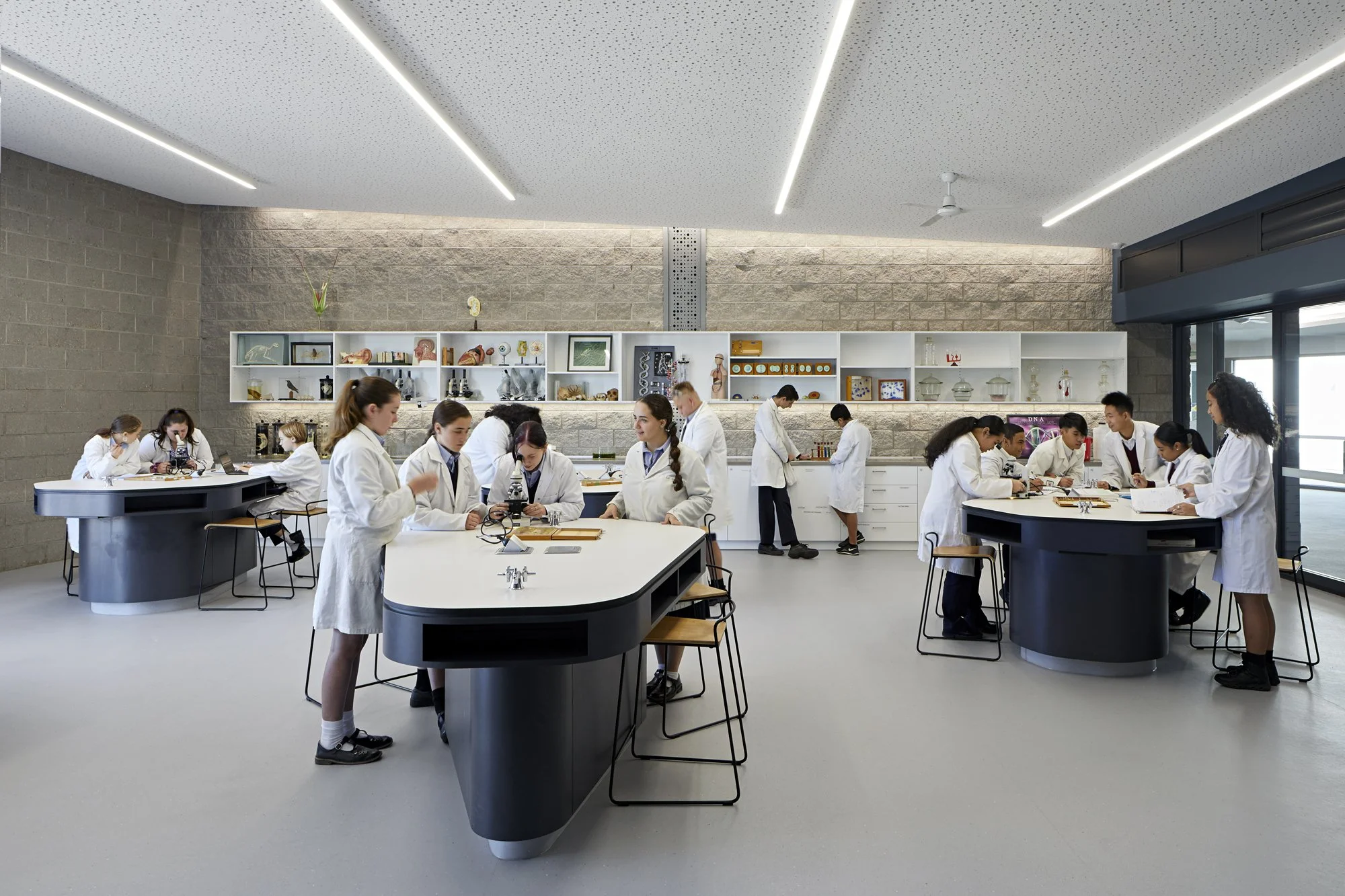
Many educational institutions are examining the integration of Science and Maths curriculums with that of Technology, Engineering and Art. The ability to alter and define spaces to suit various pedagogic needs expands learning opportunities.
Crafting interactions
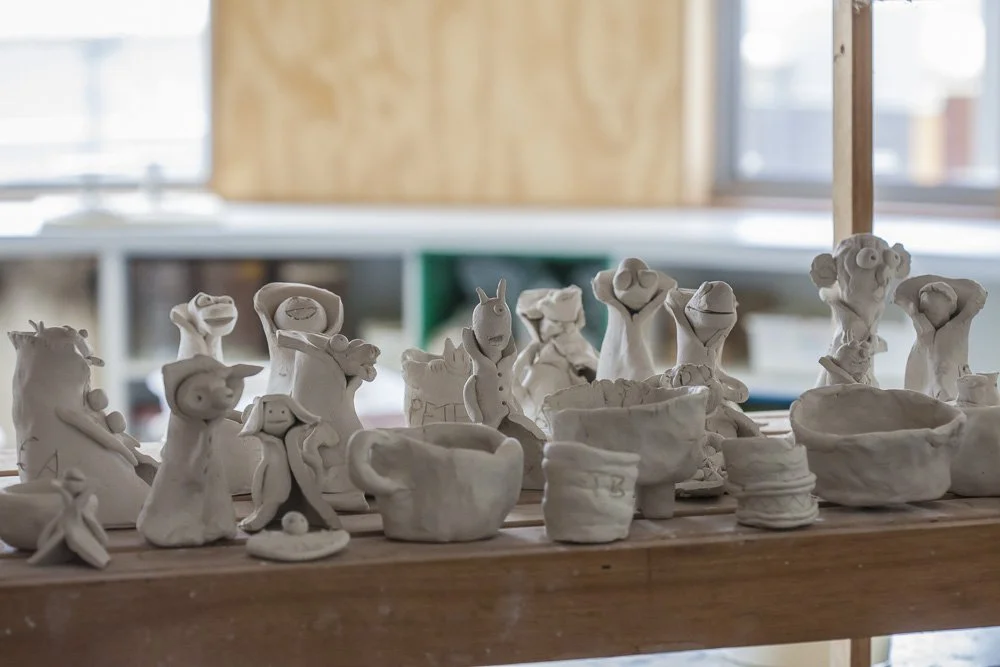
Visual and creative arts are important in promoting creative thinking and flexibility in problem solving. The environment in which the art-making takes place should be dynamic and interactive to encourage discussion of ideas, critical analysis and collaborative learning.
Customised to Perform
We understand that various disciplines have specific technical requirements, from dust-free digital environments to the use of clay troughs and kilns. By exploring every opportunity to connect the built environment directly to the outdoors, we seek to provide another aspect to the creative process.
Moreover, performing science experiments necessarily involve hazardous chemicals and potentially dangerous equipment. We mitigate this by integrating risk management features when designing facilities. Years of experience working with relevant codes for science facilities has enabled us to work creatively within constraints, delivering innovative educational solutions.
WORKPLACES
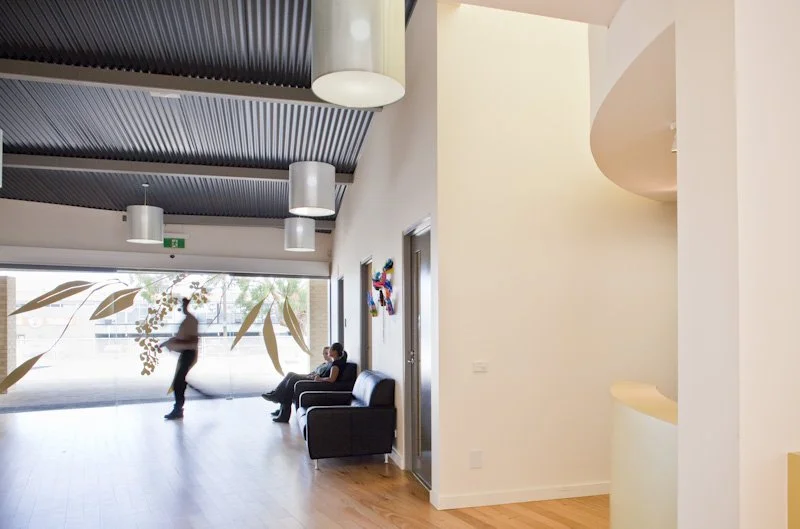
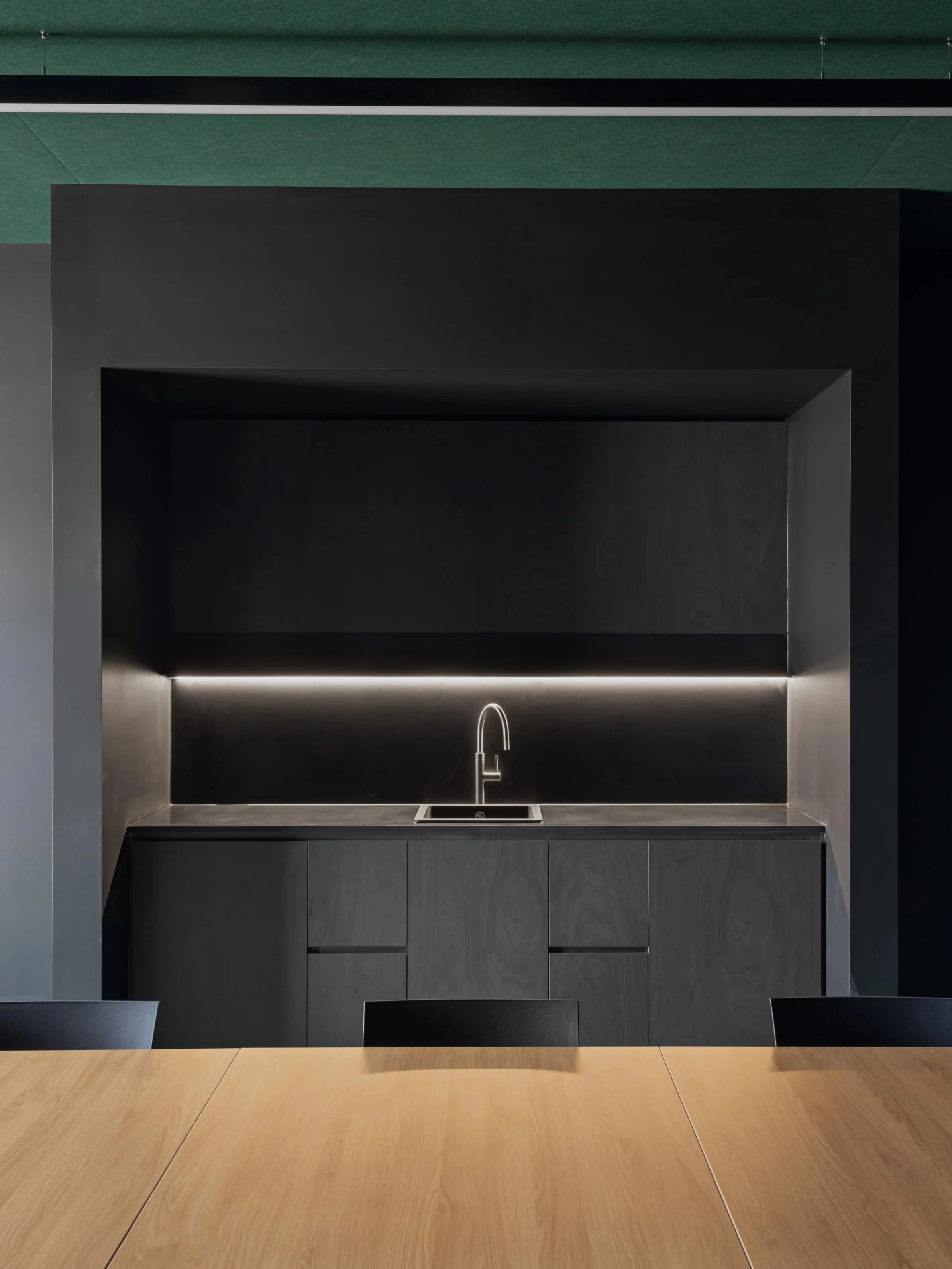
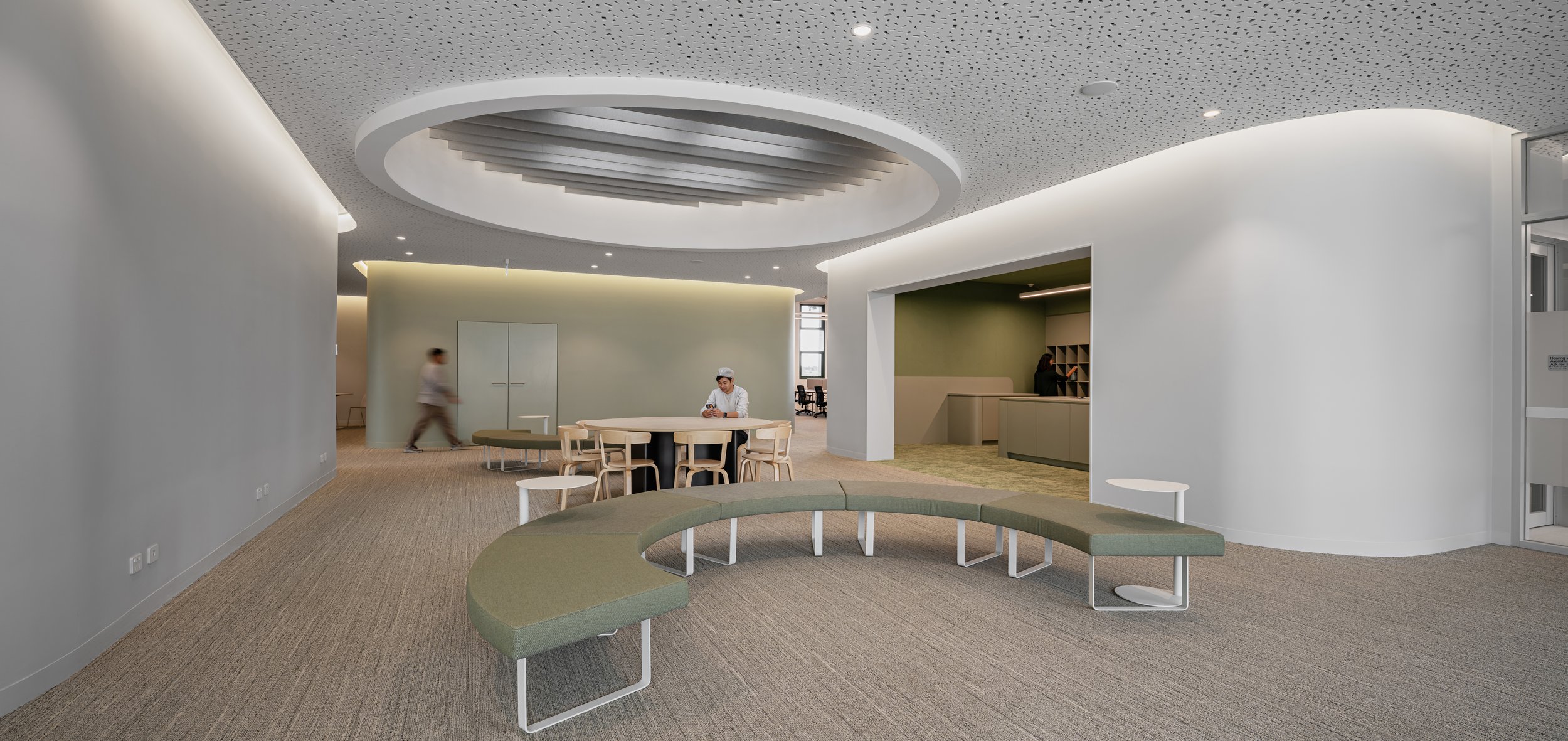
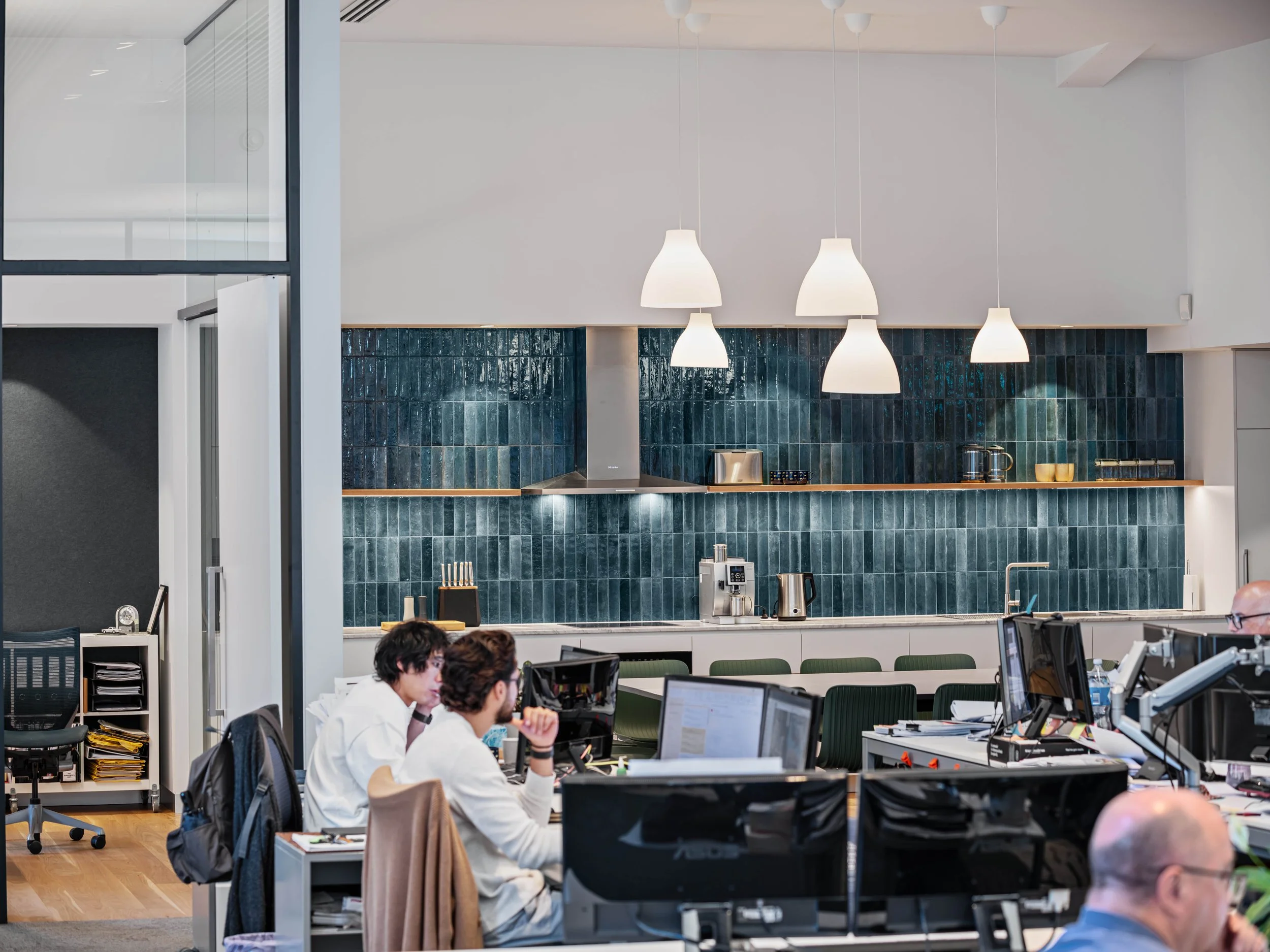
The design of workplaces requires a comprehensive understanding of the client’s brief and of the operational requirements of the staff to be accommodated. The design response and furniture selection must reflect both the functional and aesthetic aims of the client.

Optimised for flexibility
Workplace projects have varied requirements and may include reception/ foyer spaces, open plan work areas, closed offices and meeting rooms to meet the needs of fluctuating staff numbers. The aim of all projects is to provide the best operational environment for the relevant workplace.
PLACES OF RESIDENCE
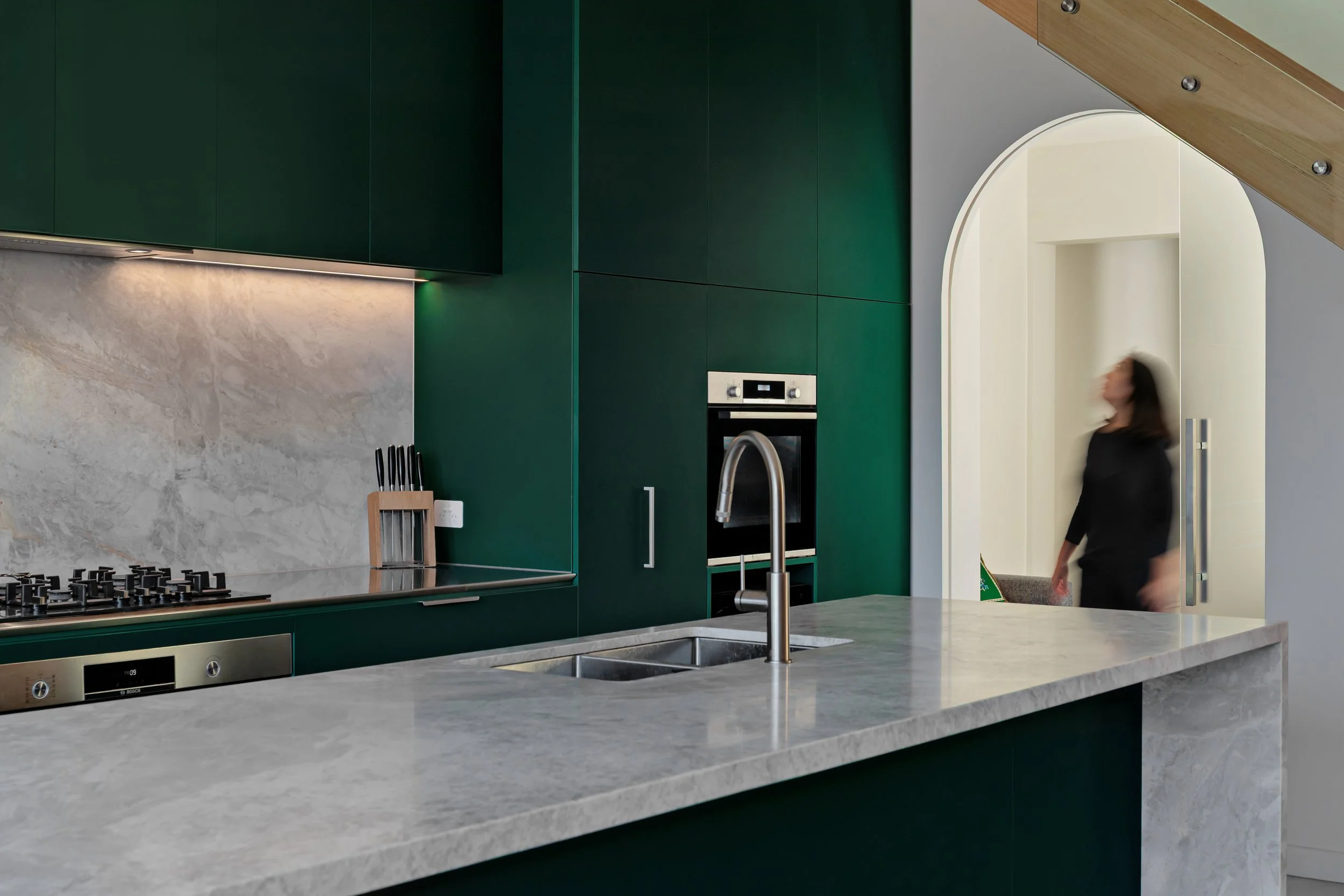
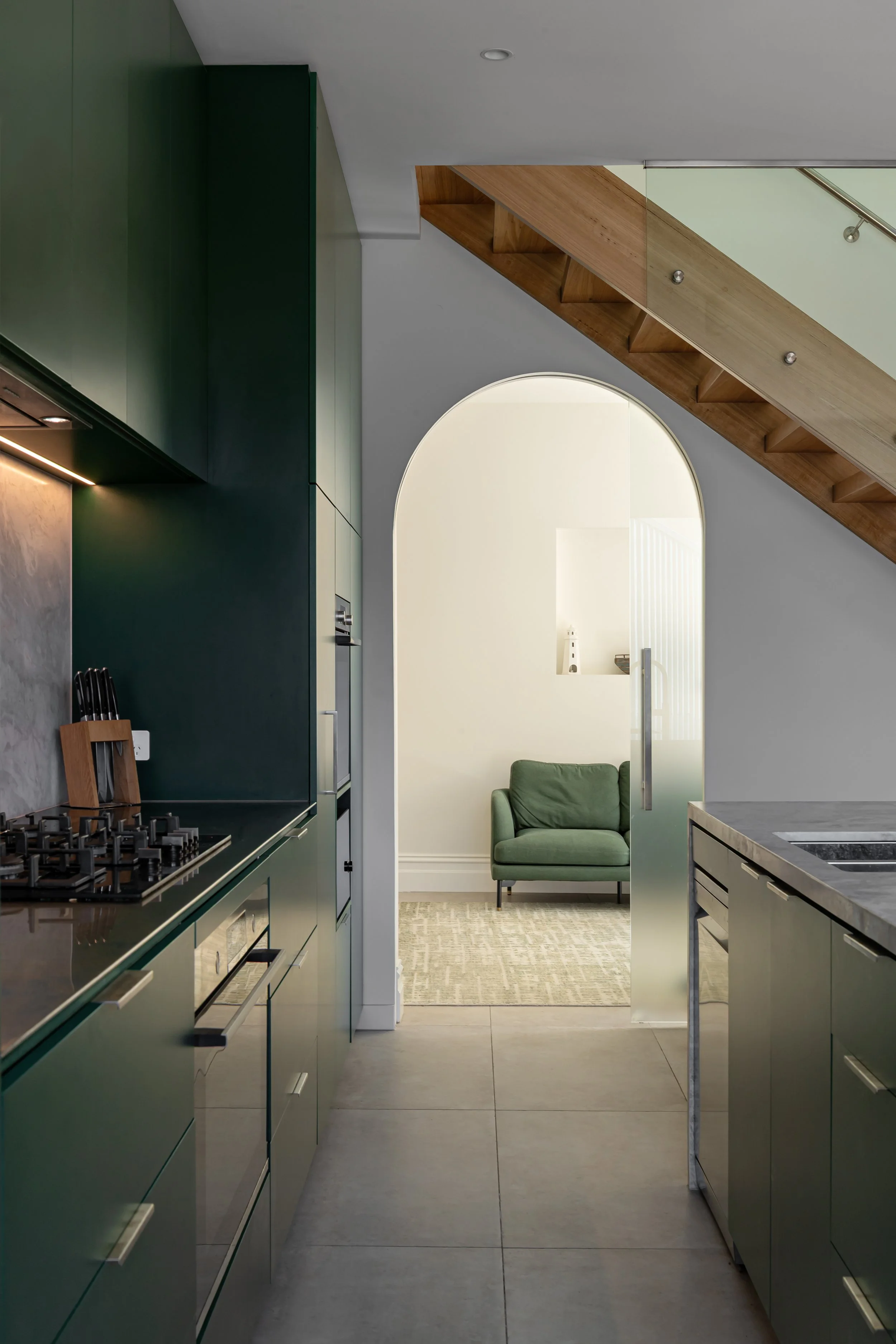
From permanent homes to temporary stays, from shared to individual accommodation, a place of residence needs to provide a secure, welcoming and safe haven.
HERITAGE
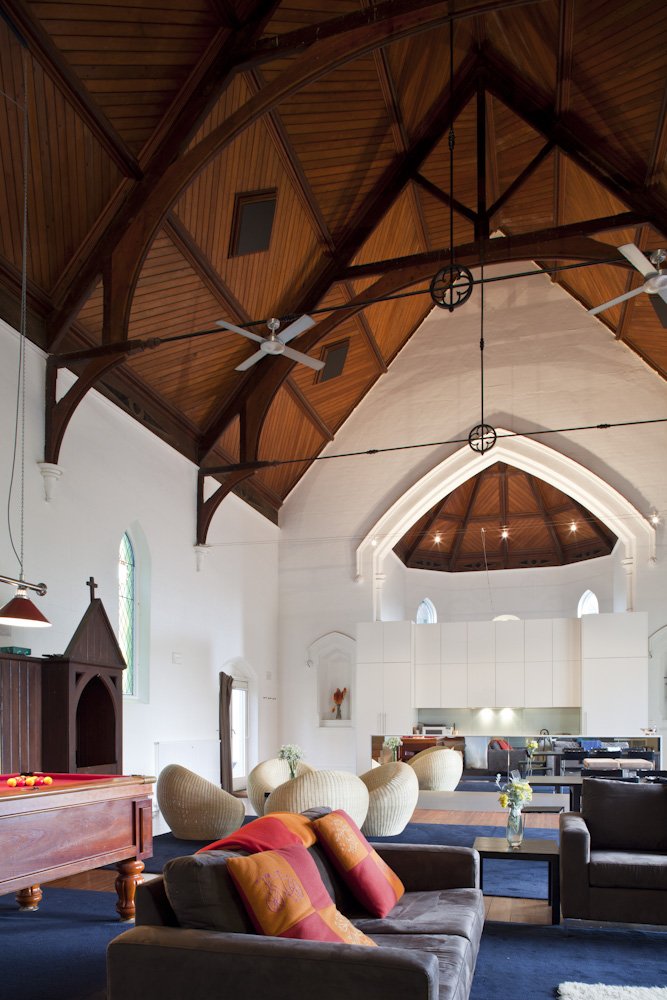
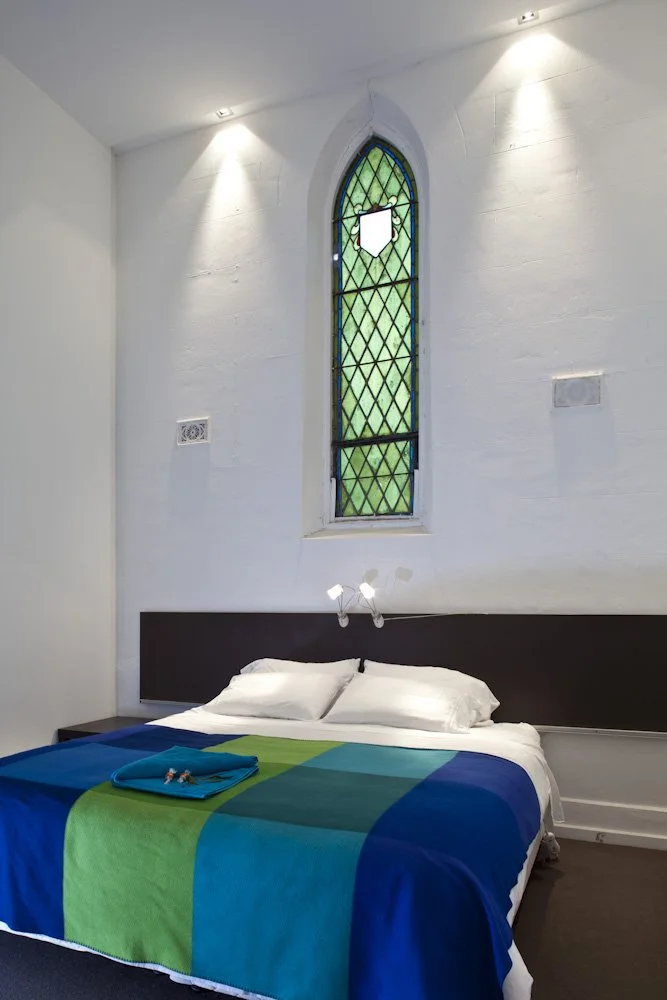
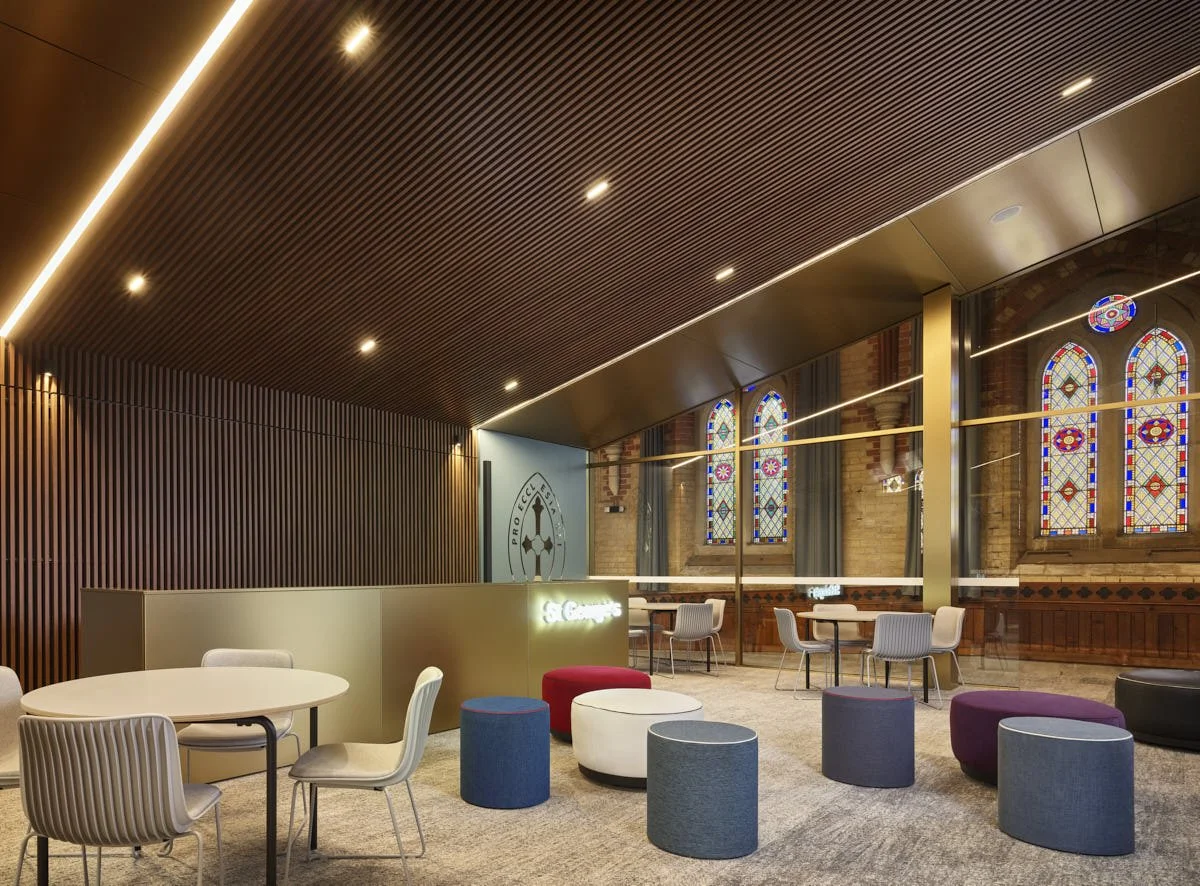
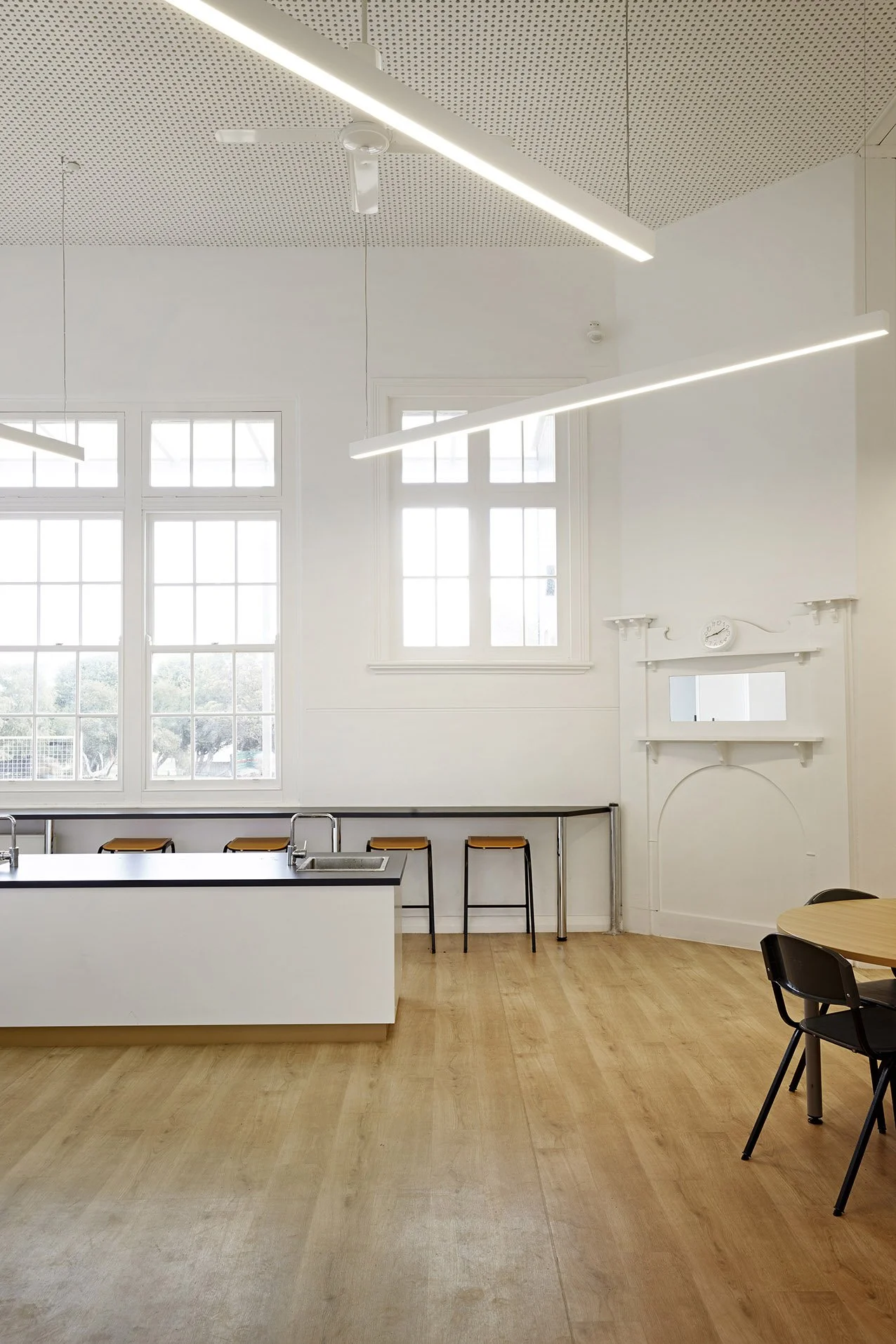
Re-imagining and developing heritage places is always a sensitive undertaking. A respect for the past and a desire for a future life must be simultaneously considered, and a collaborative approach with all stakeholders is the pathway to a successful project.
OUTDOOR & LANDSCAPE
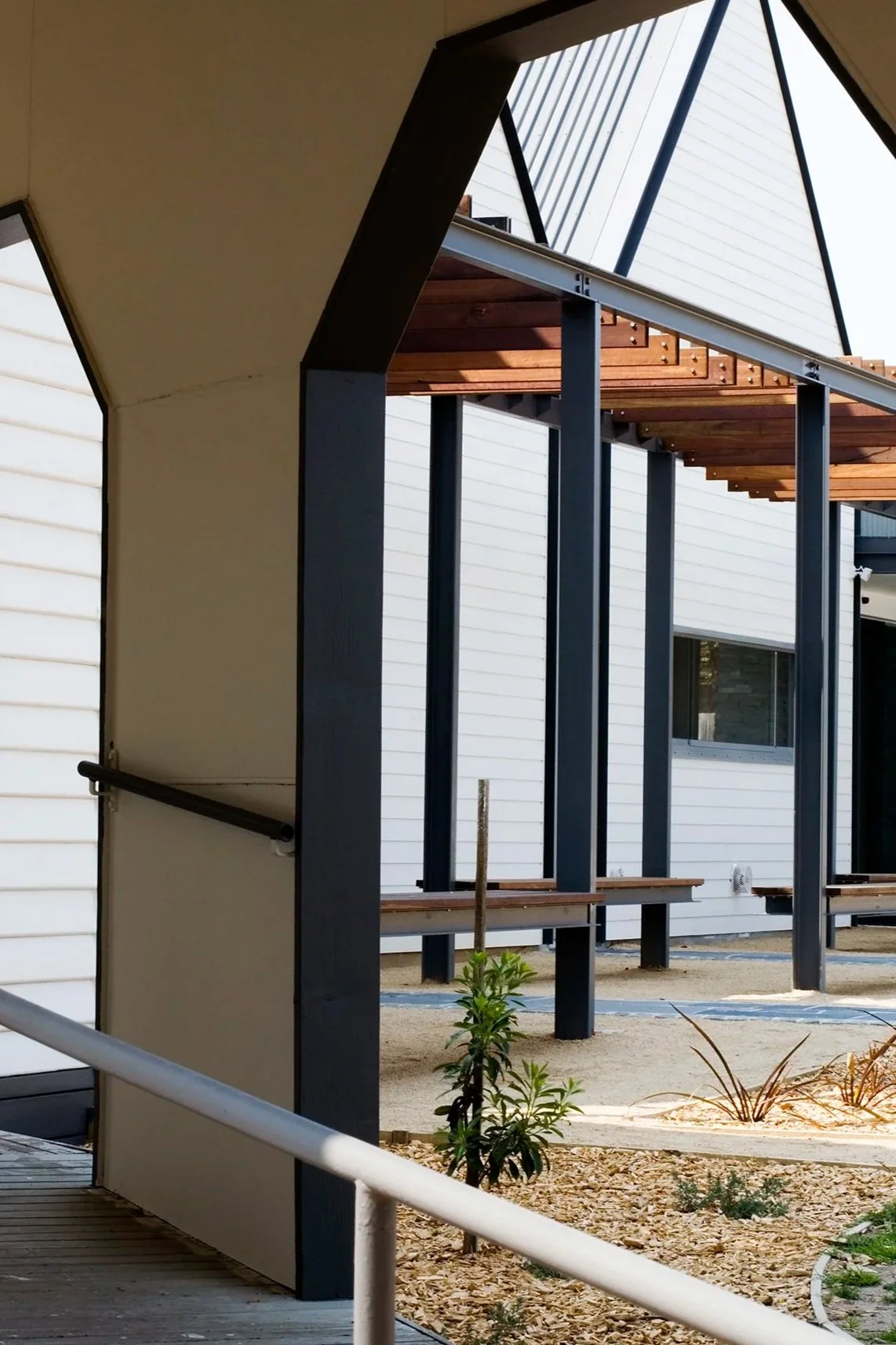
The initial planning of the outdoor environment for each project considers circulation within the site and relationships between interior and exterior. The project site is treated as an indivisible entity, and the ground condition between built forms is considered an integral part of the design.
Connecting inside to outside
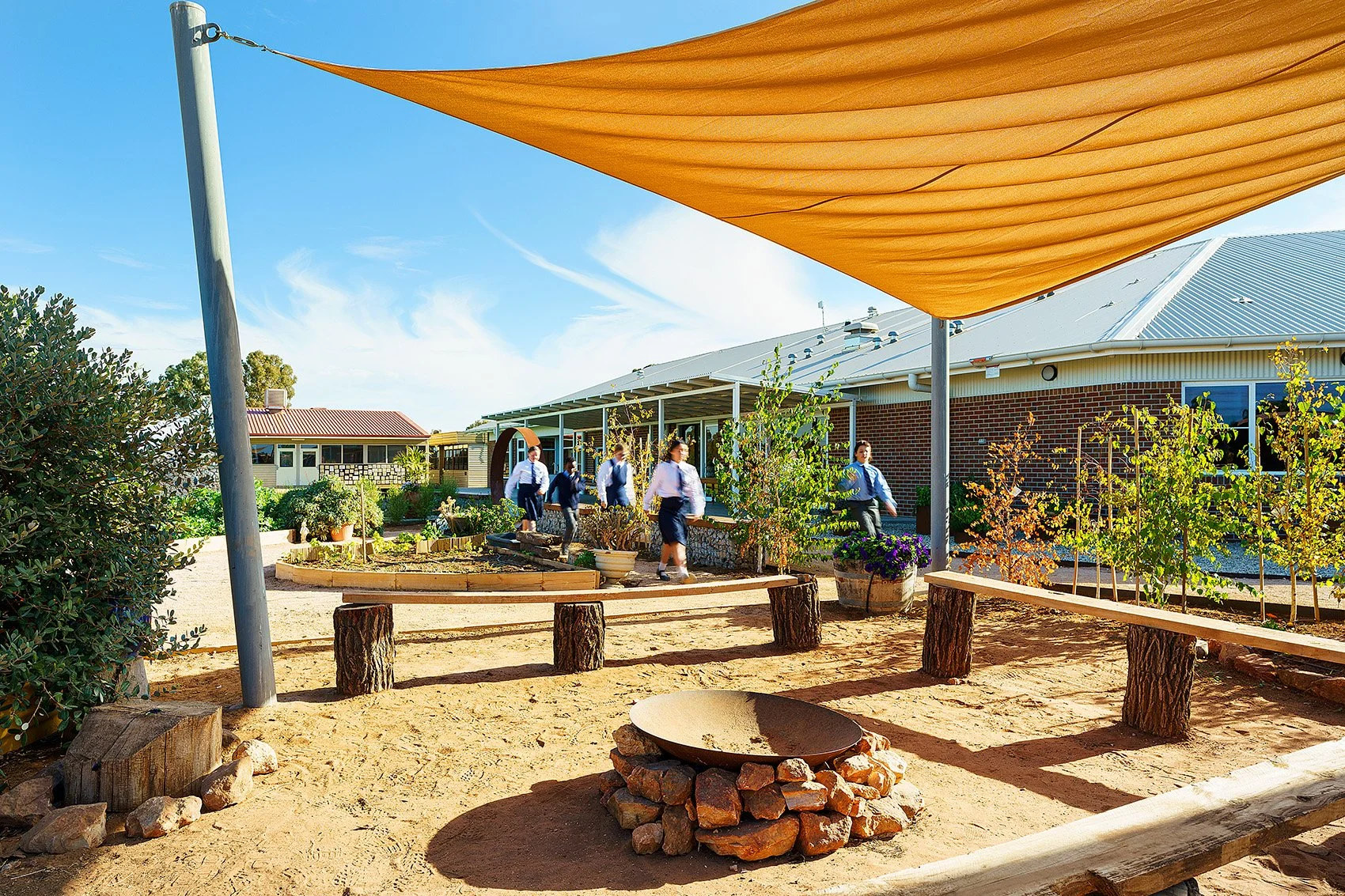
Wherever possible existing trees, landforms and site levels are maintained and incorporated into the landscape design. Internal courtyards, open pavilions and covered decks create diverse interstitial spaces between built forms. Their considered locations allow learning opportunities to be extended beyond the indoor environment, creating some of the most loved and frequented parts of our projects.
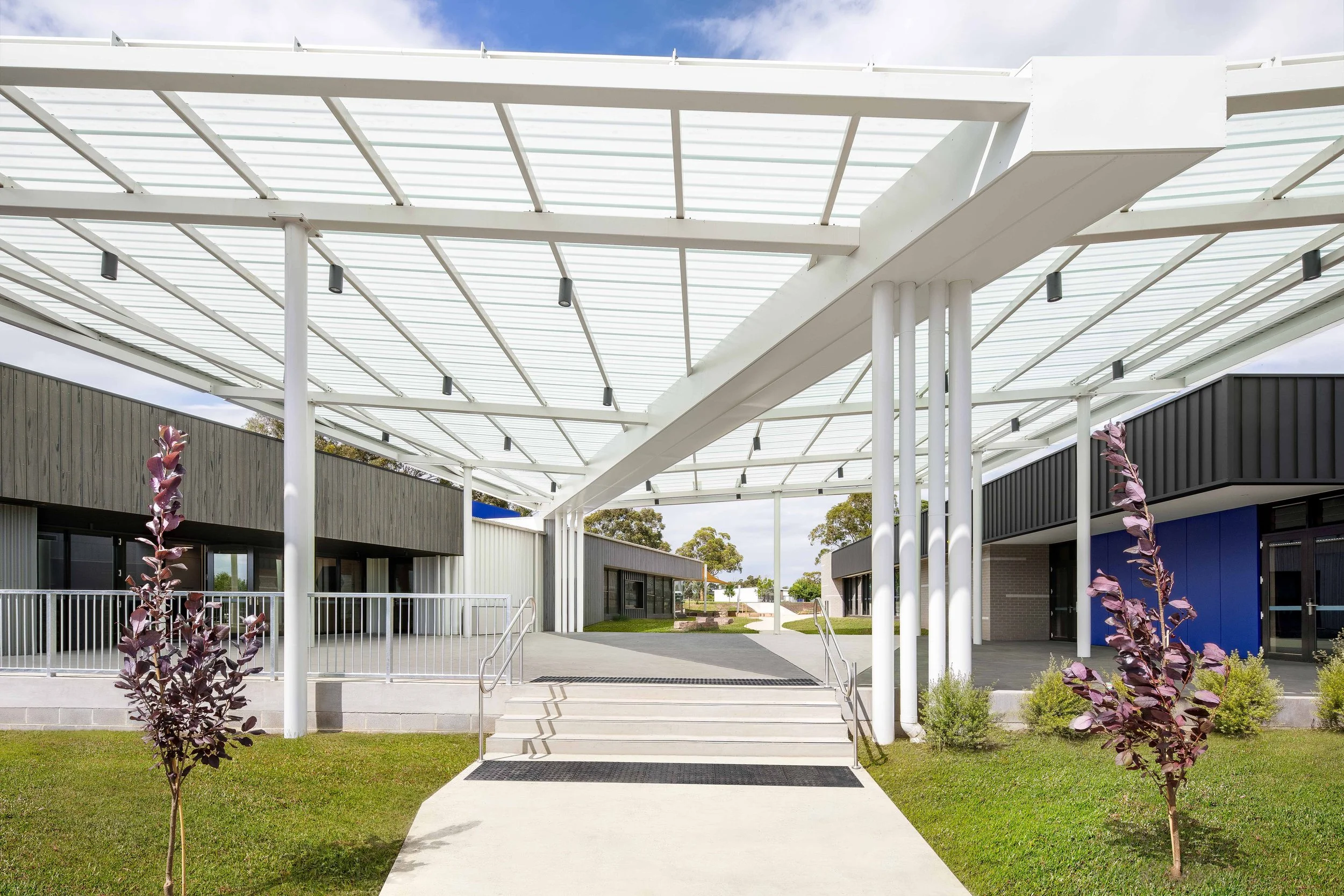
Activating outdoor environments
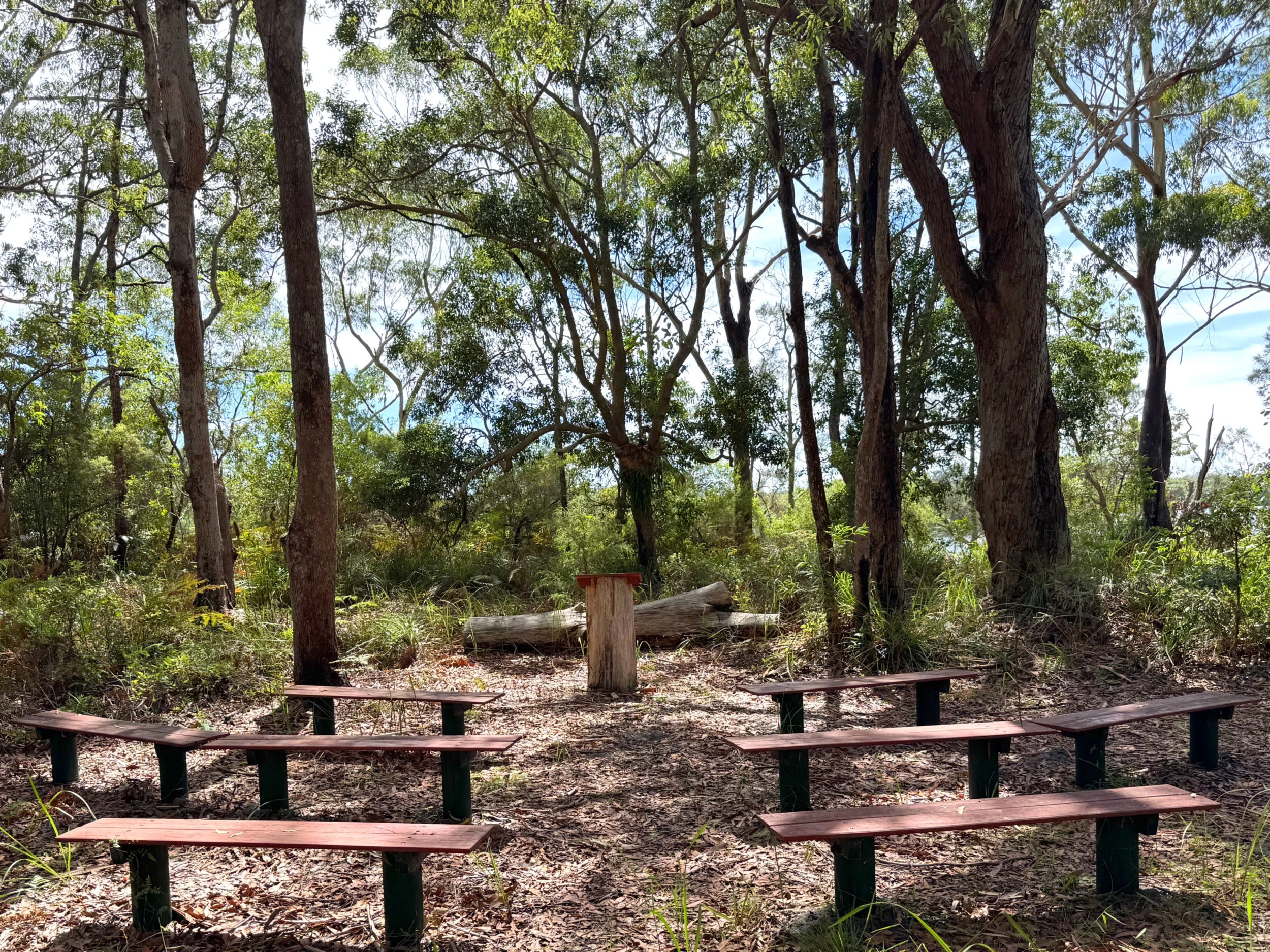
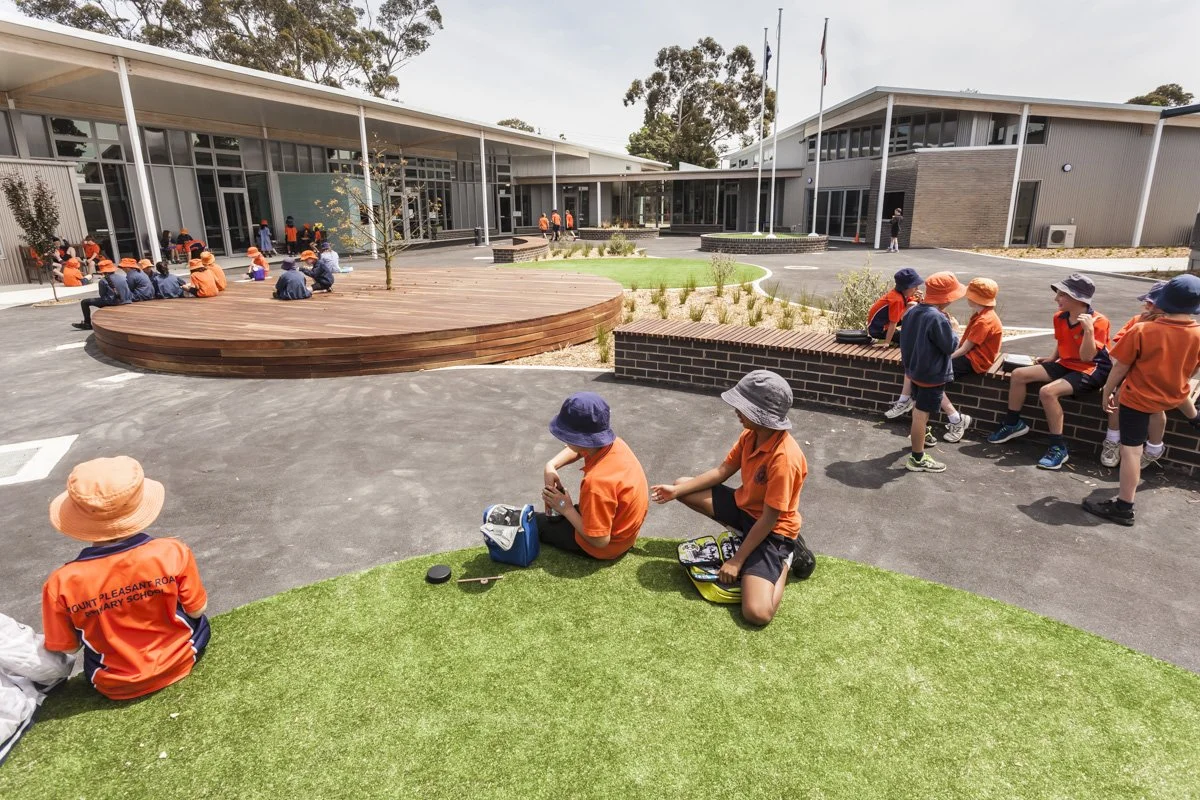
As with the considered planning of internal spaces, the design of the outdoor environment should provide a balance of areas for quiet reflection and active recreation, enabling a multitude of activities to take place. Successful examples of integrating indoor and outdoor spaces include the provision of produce gardens adjacent to kitchen facilities, sensory gardens as respite from active spaces, formal and informal amphitheatres for performance and gathering, and wetlands to extend technical learning beyond the internal classroom and support local biodiversity.
The effective use of landscape forms and the well considered design of the spaces between buildings encourage incidental interactions, promote greater community engagement and support environmental sustainability.
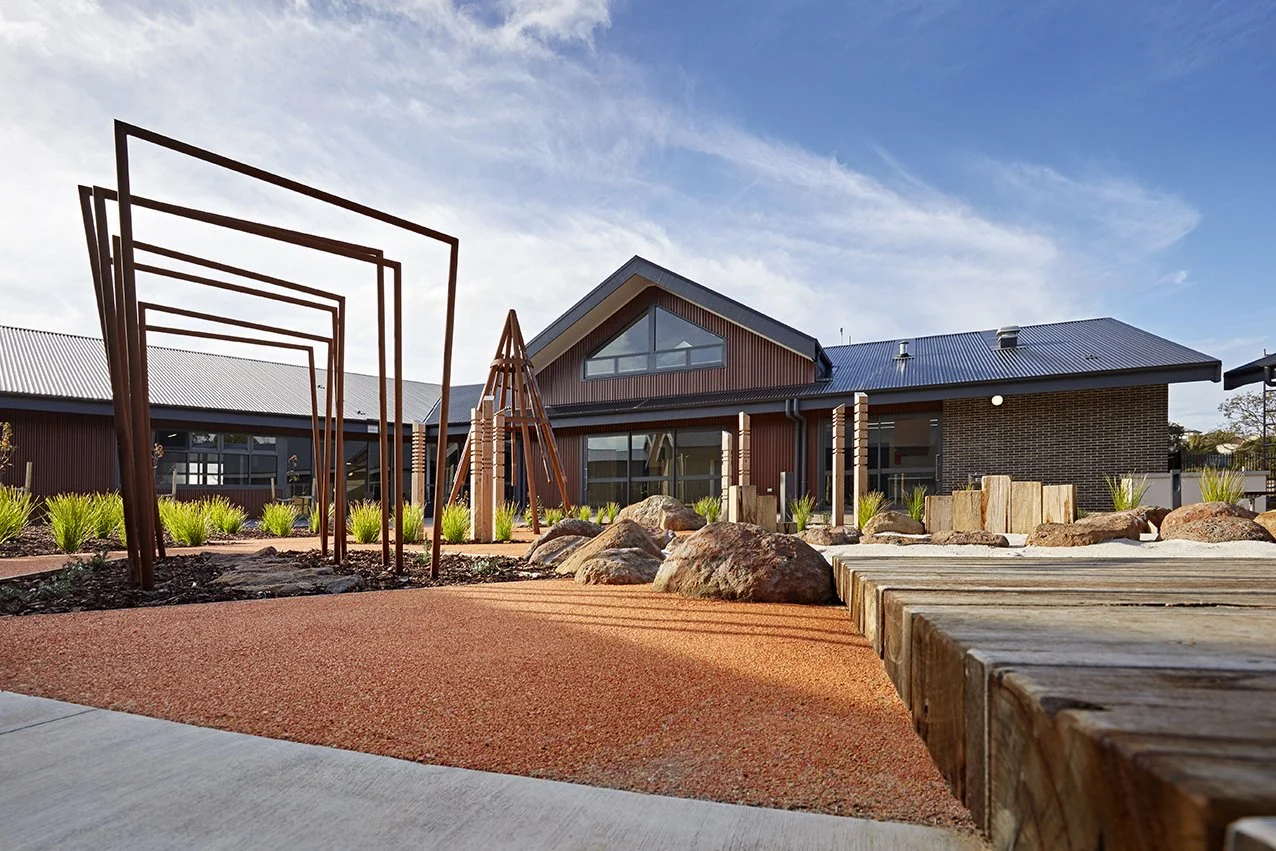
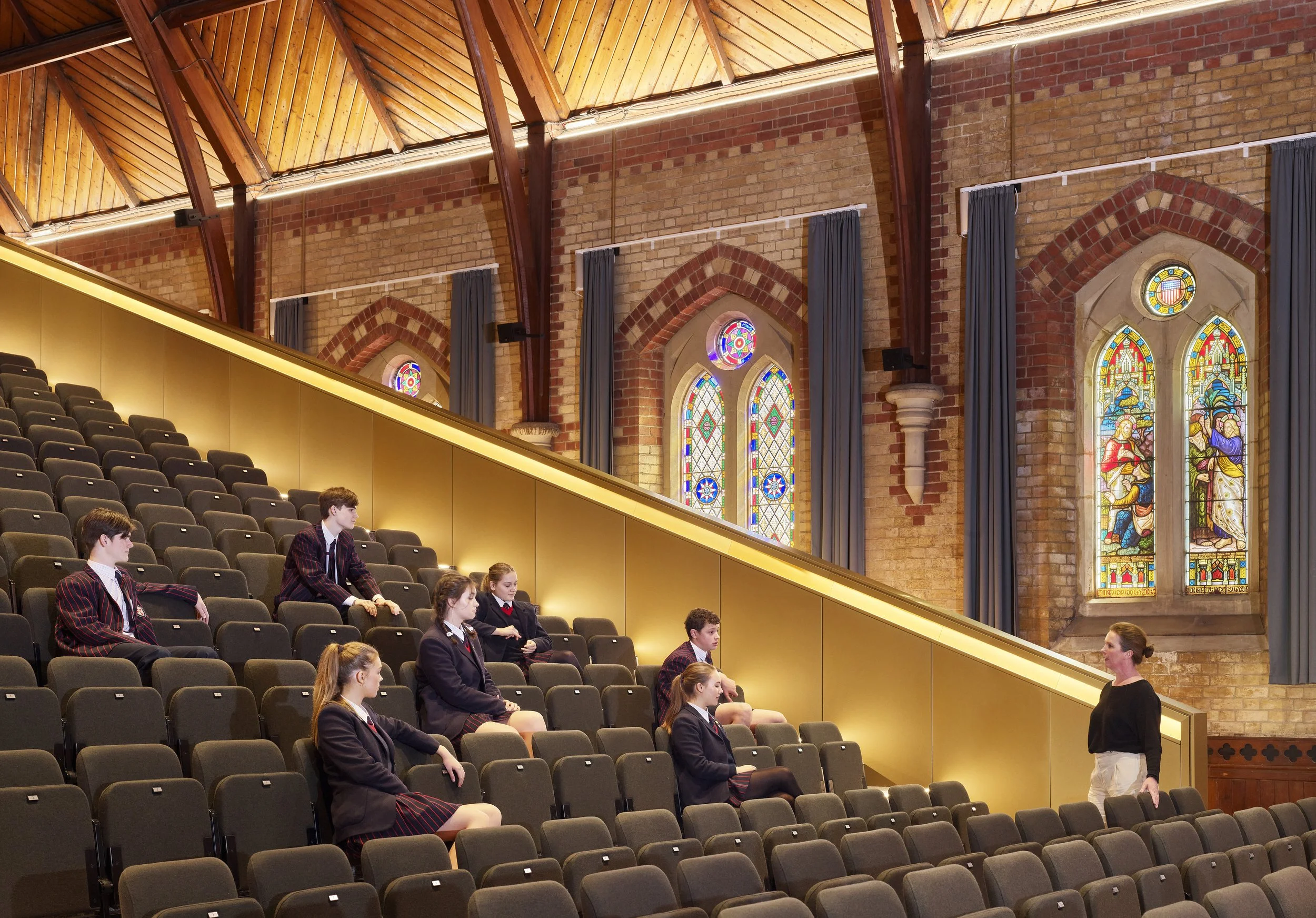
St George's Performing Arts
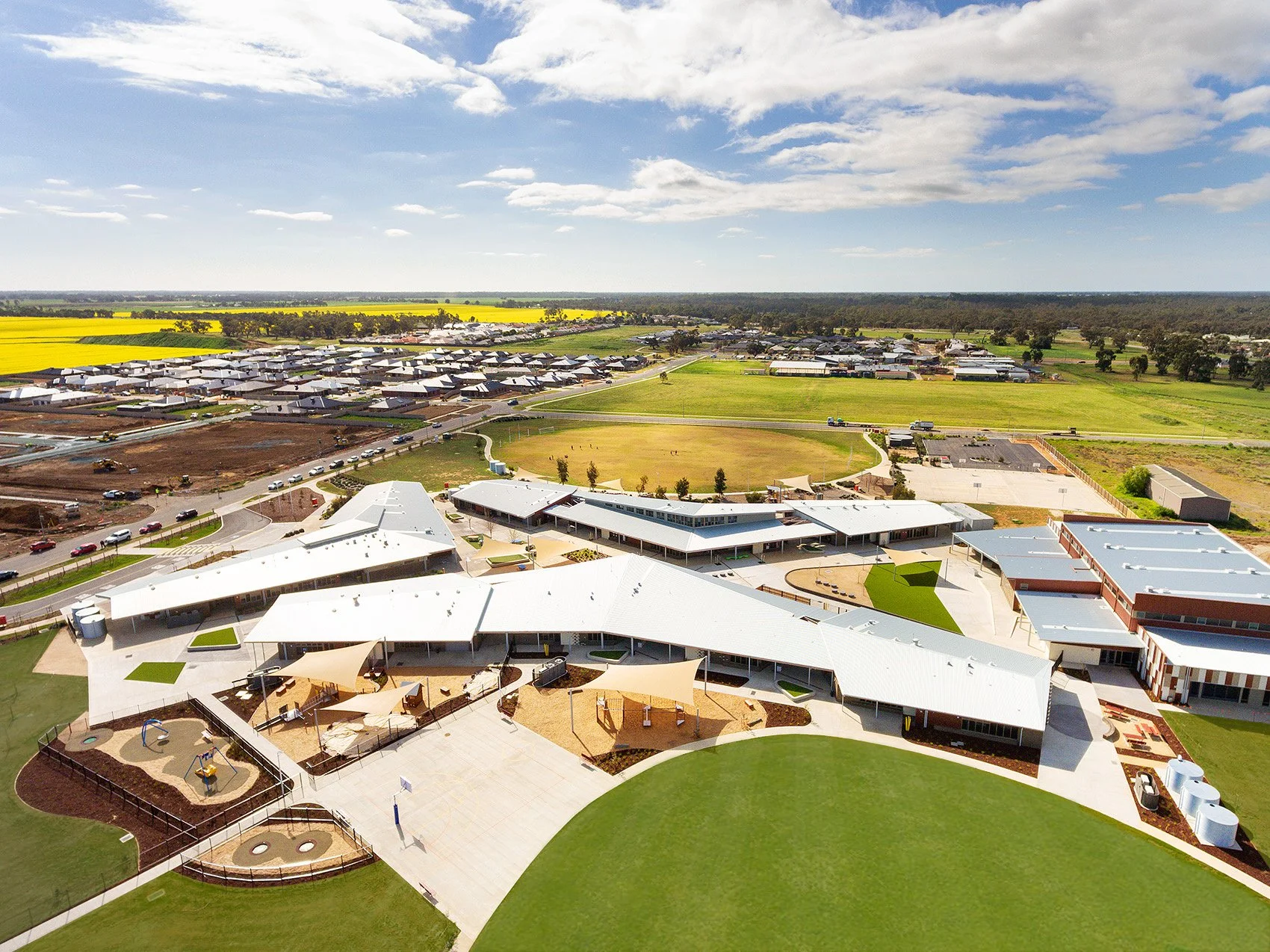
Echuca Schools Regeneration
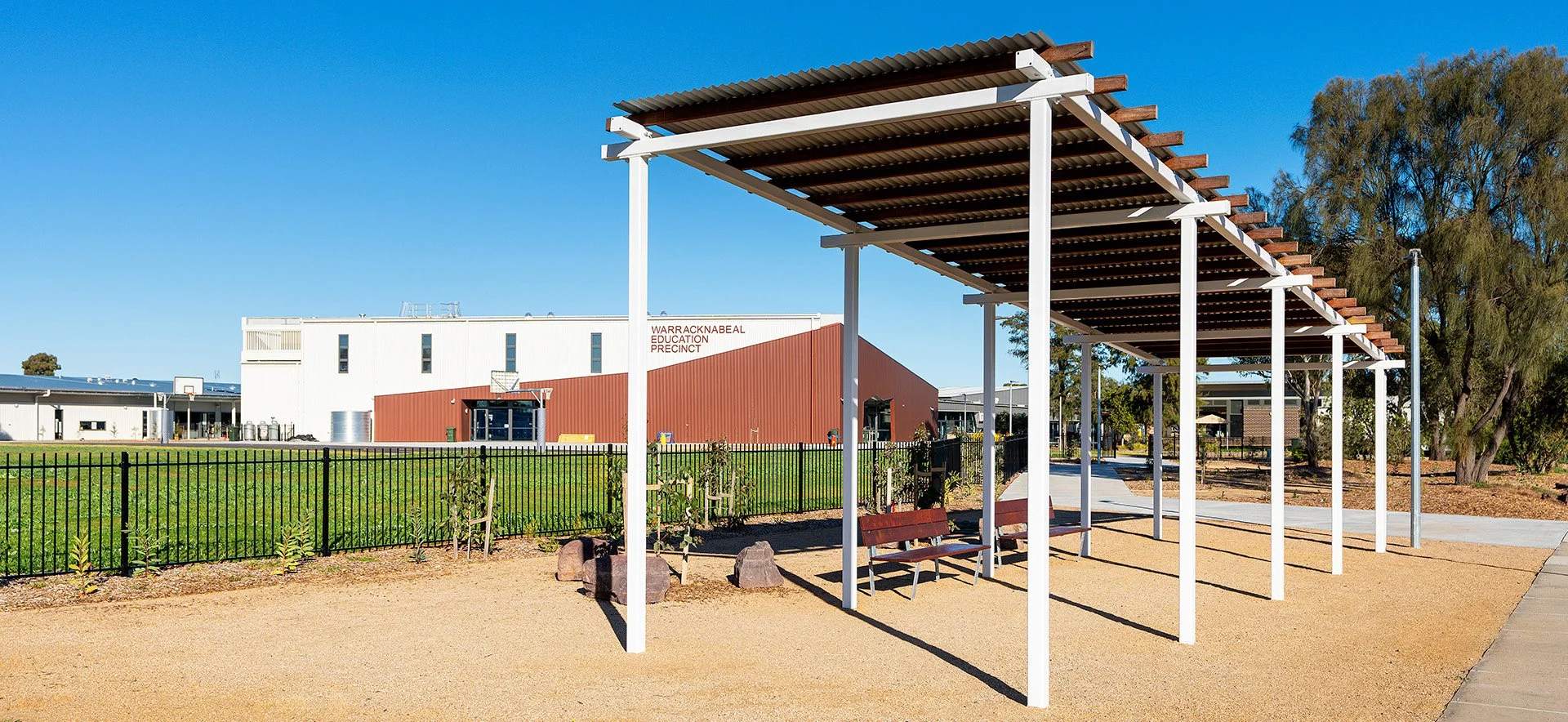
Warracknabeal Education Precinct
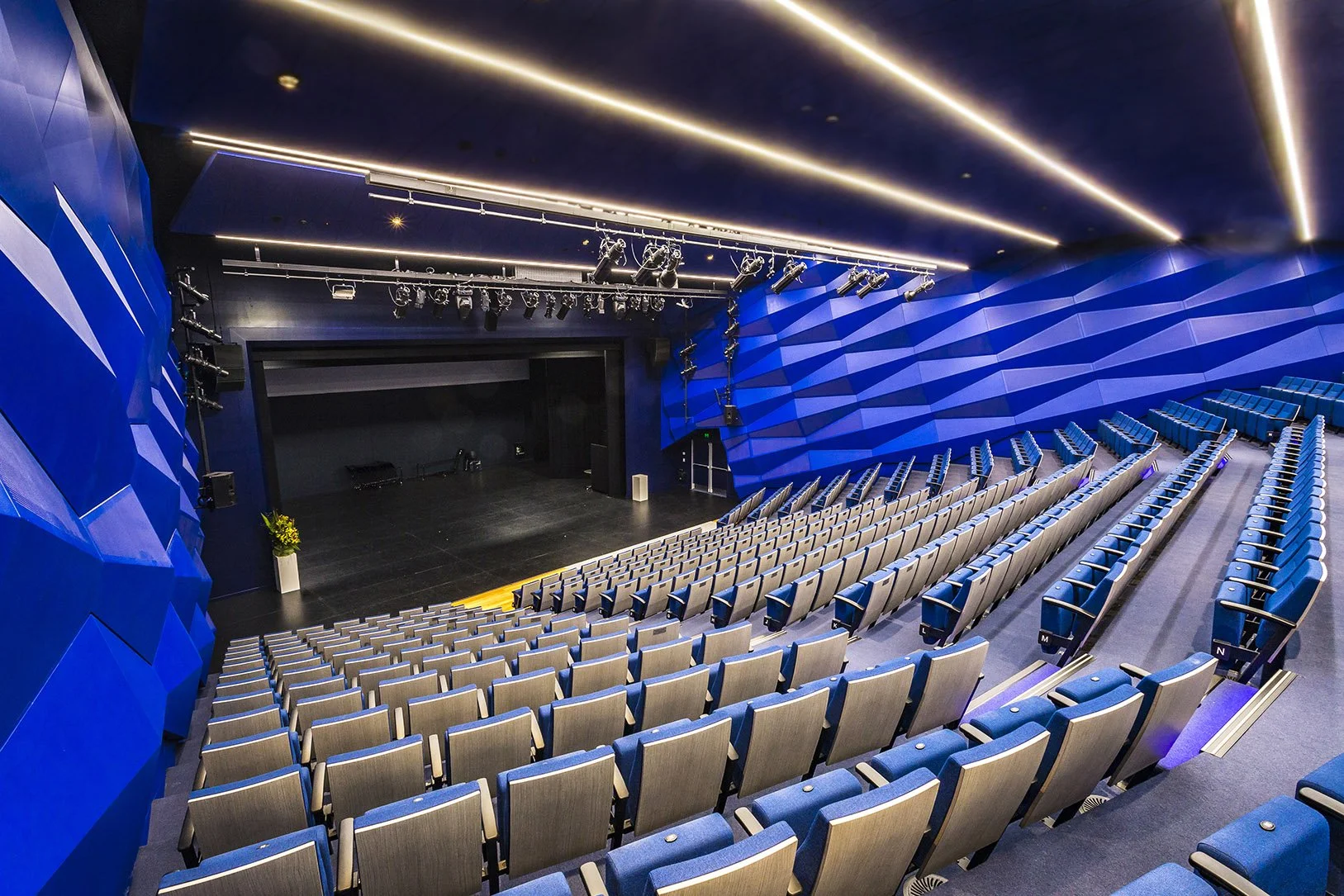
Mentone Grammar Creativity Centre
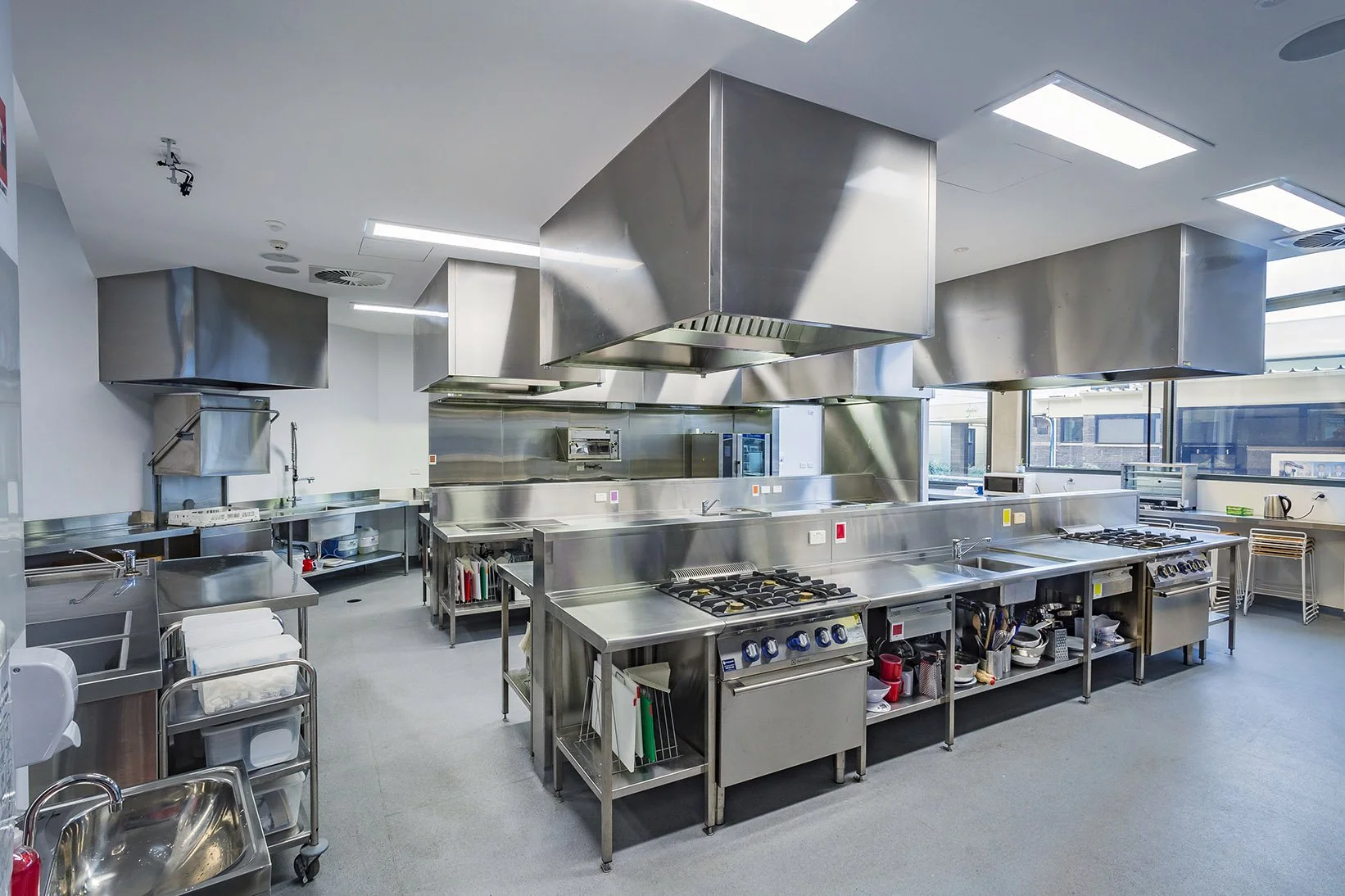
Mentone Grammar Creativity Centre
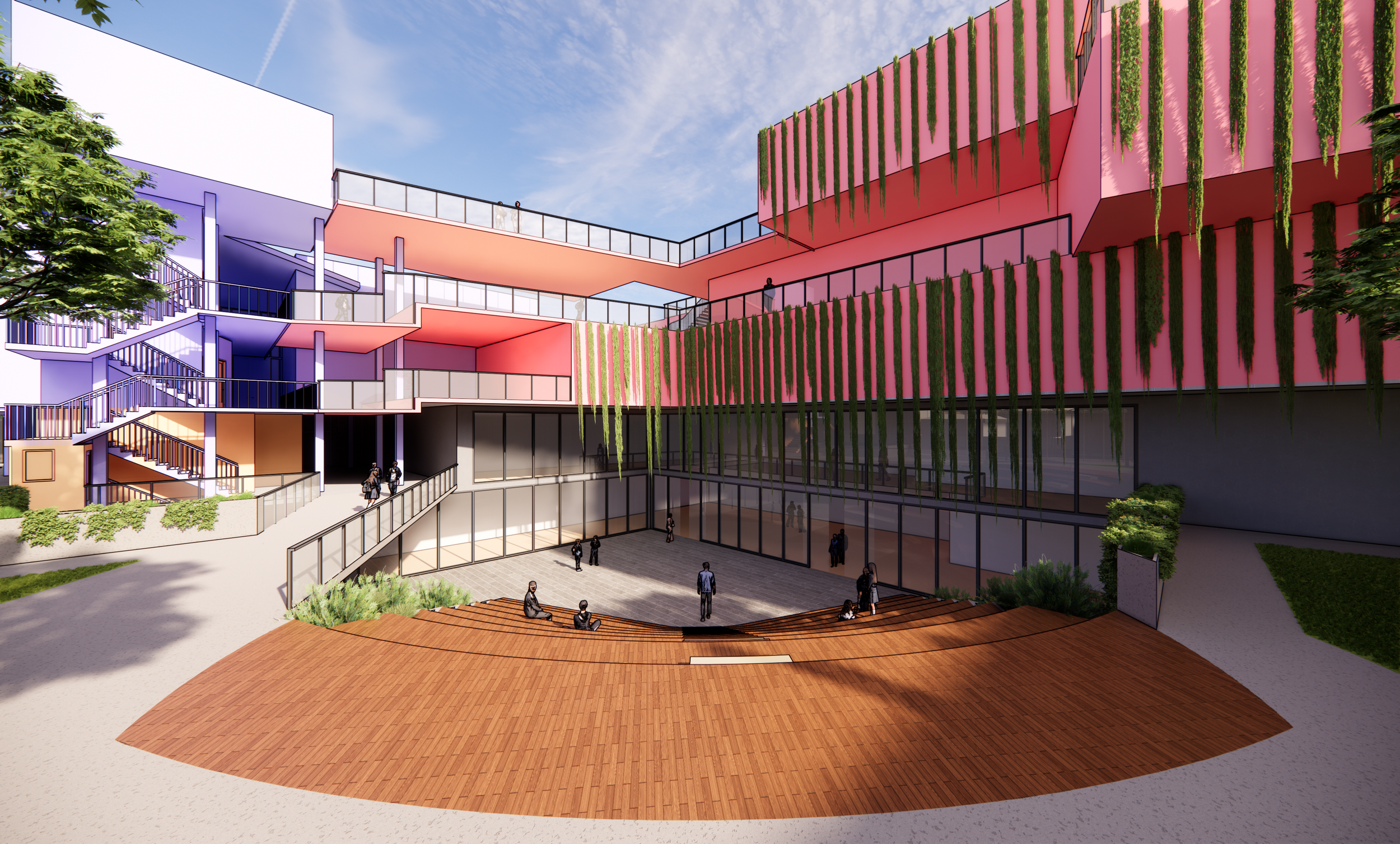
St Michael's Grammar School Facilities Management Plan
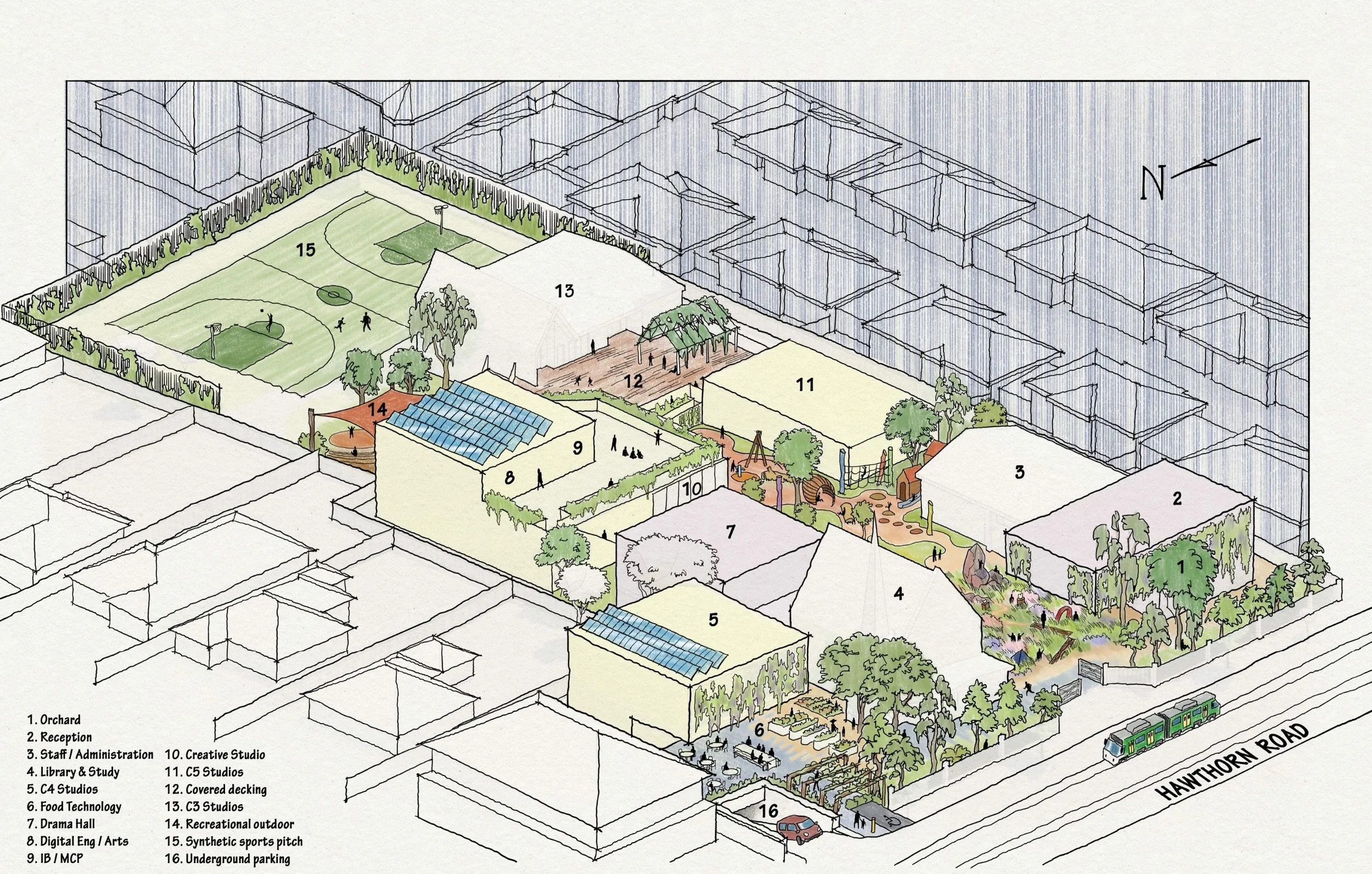
Melbourne Montessori College Masterplan
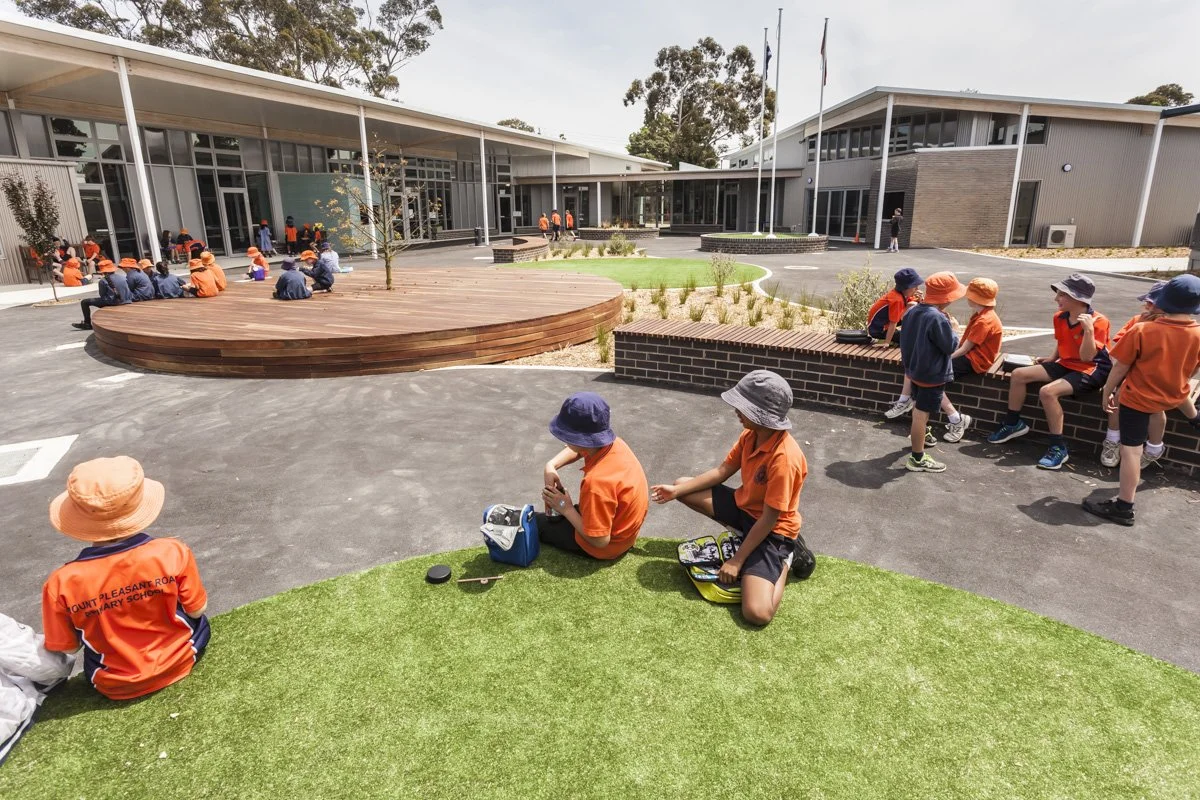
Mount Pleasant Road Primary School
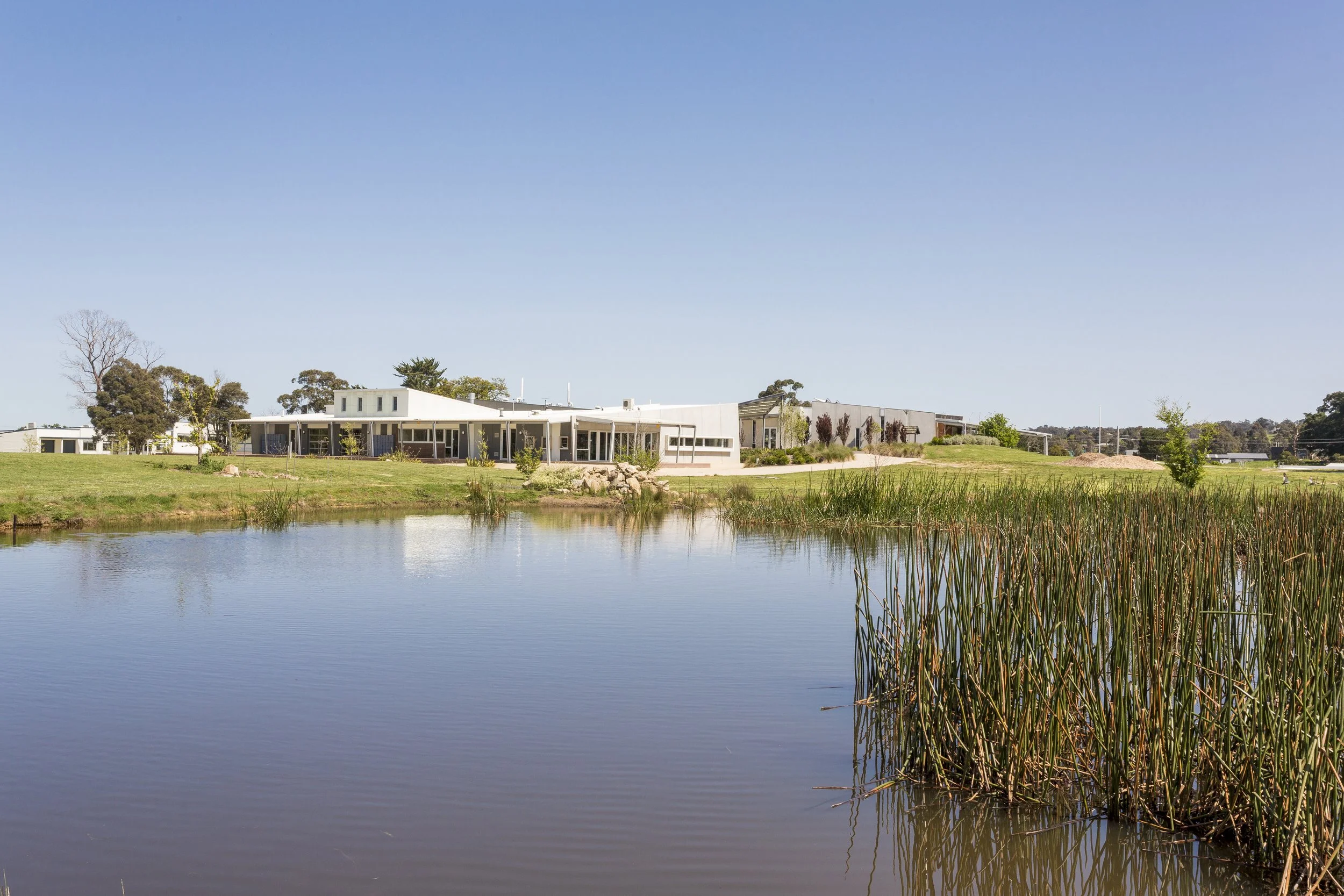
Heritage College Officer
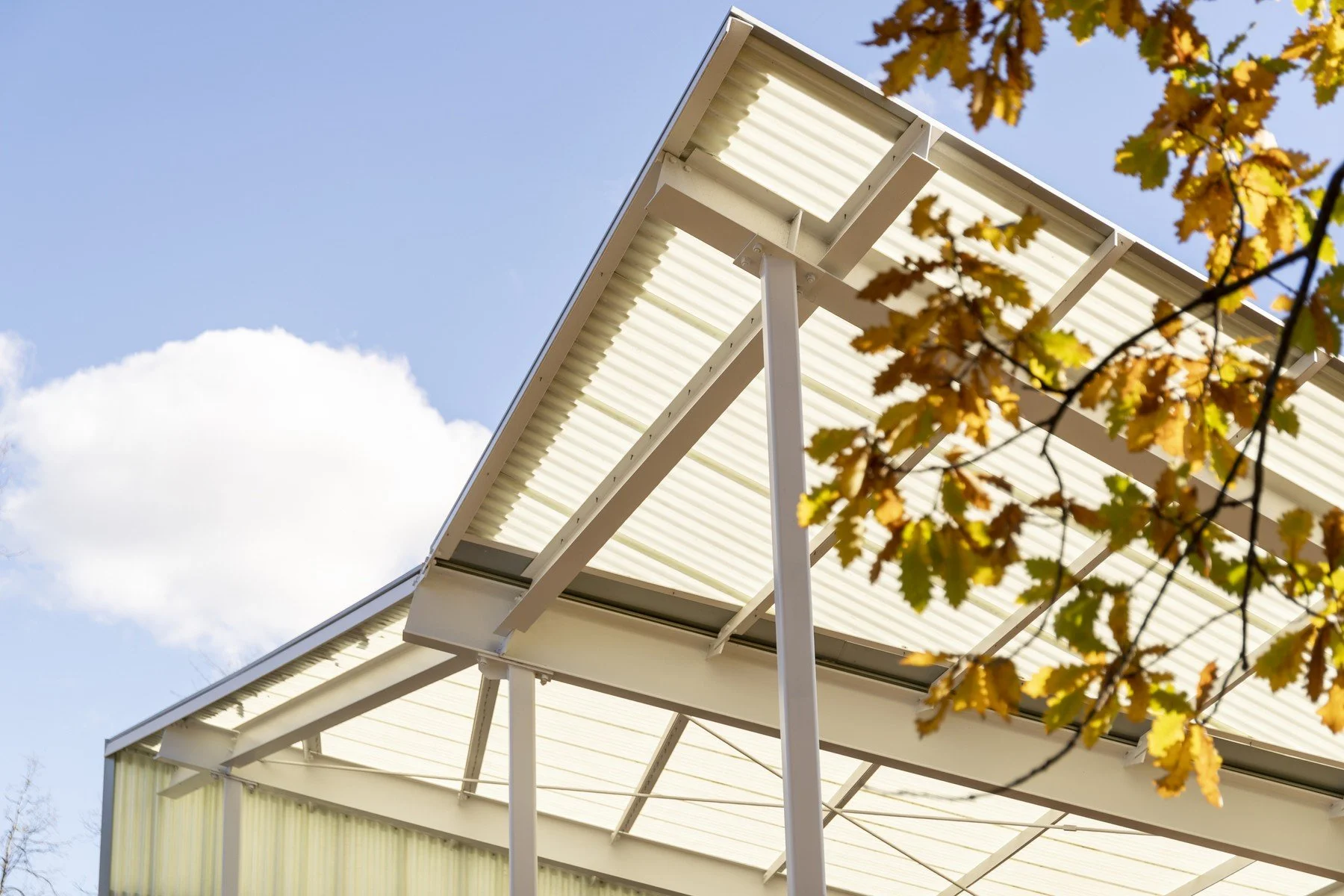
Edinburgh College
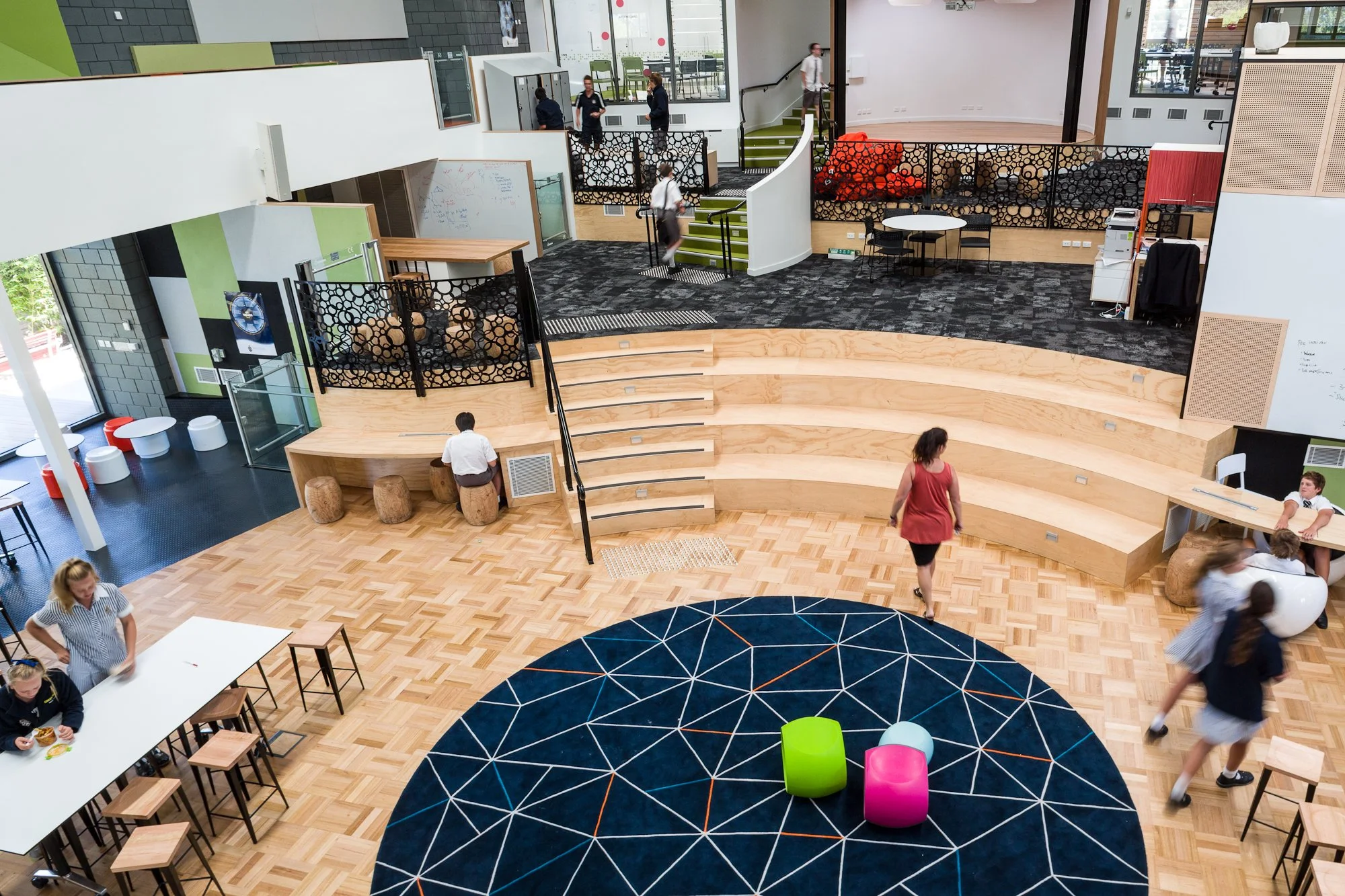
Mentone Grammar School Greenways
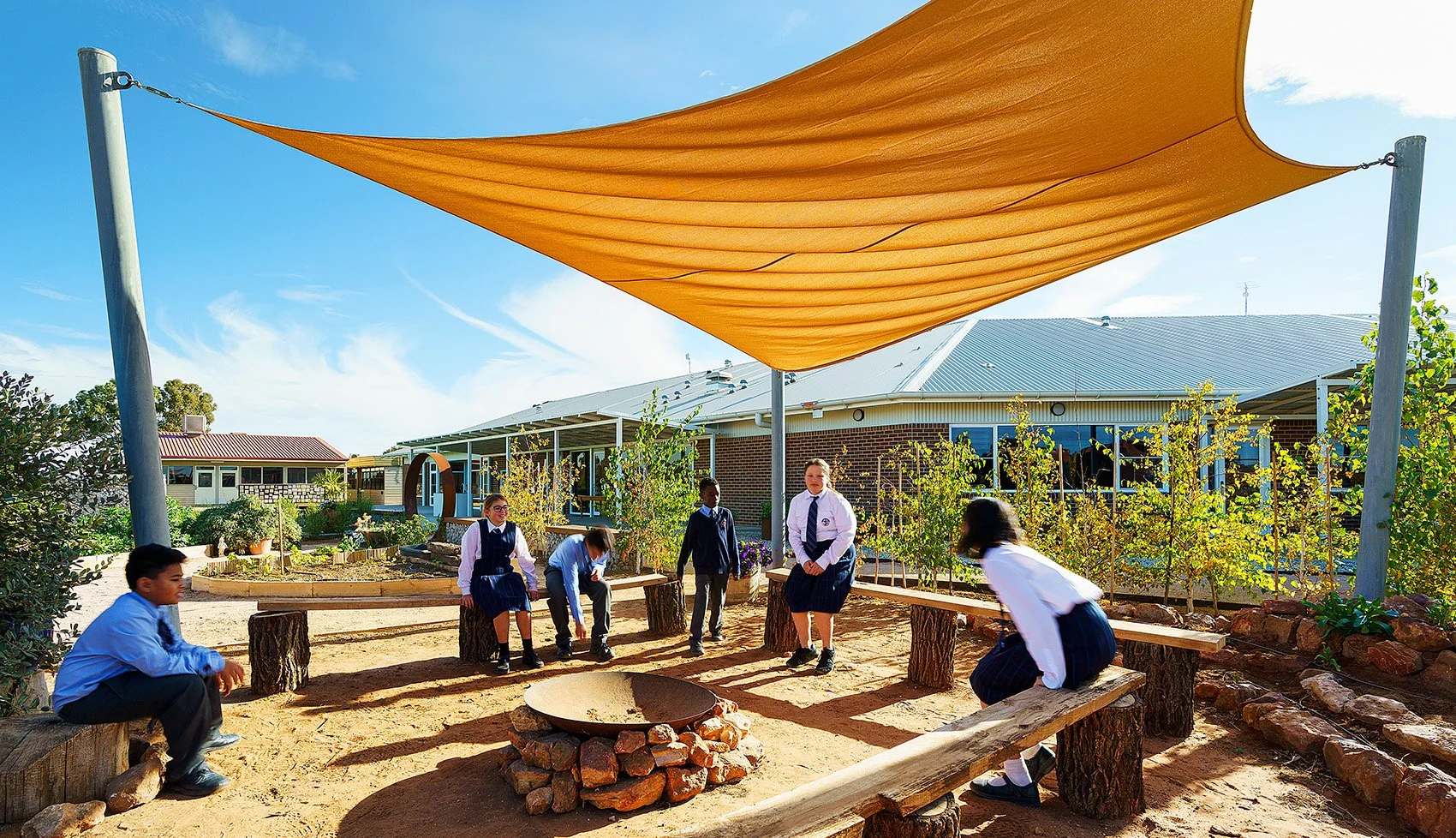
Henderson College
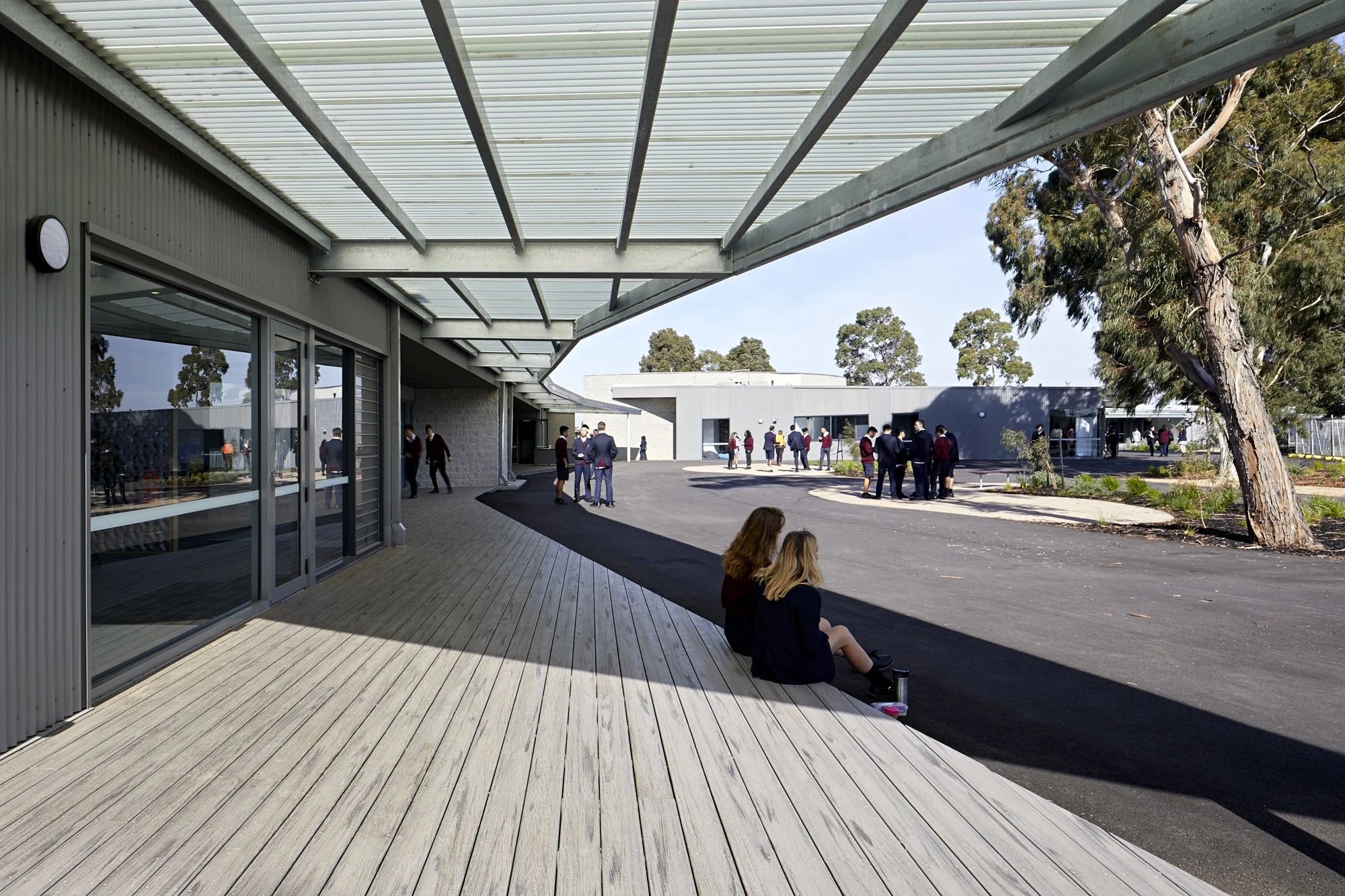
William Ruthven Secondary College
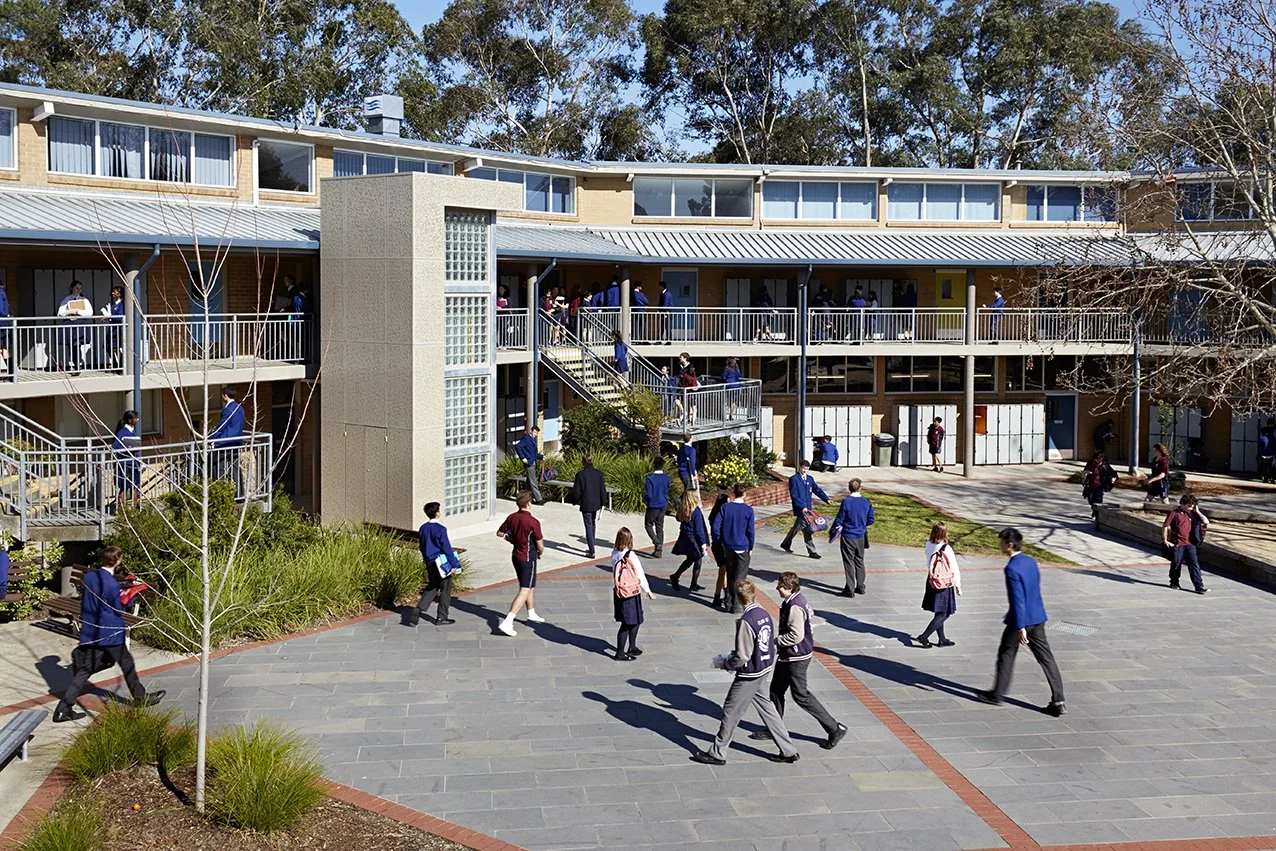
Nunawading Christian College
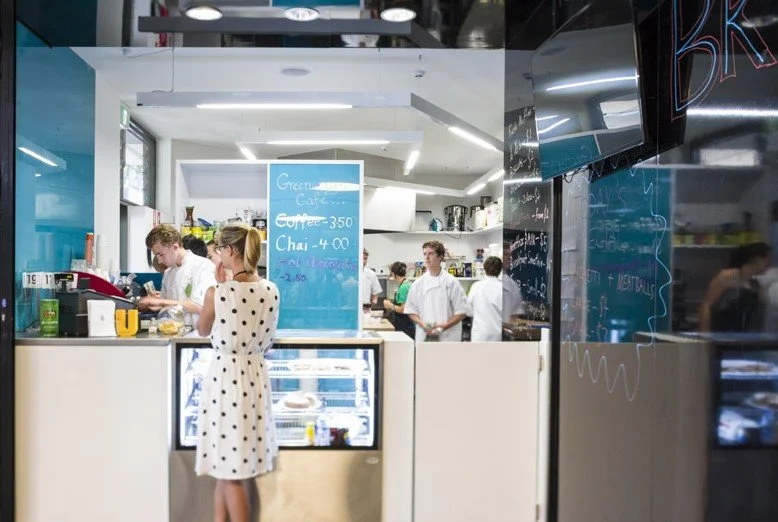
Mentone Grammar School Greenways
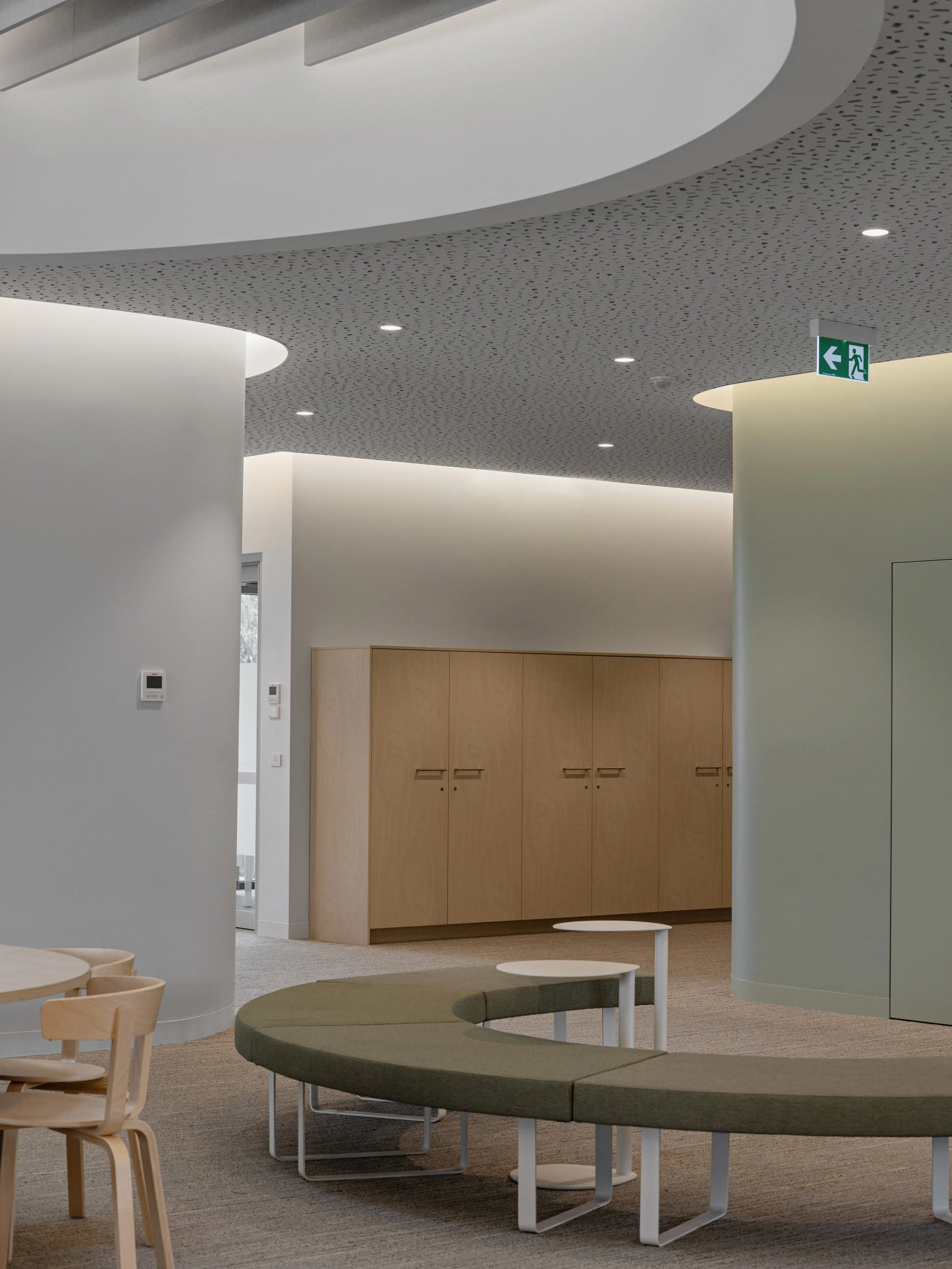
Broadmeadows Special Developmental School
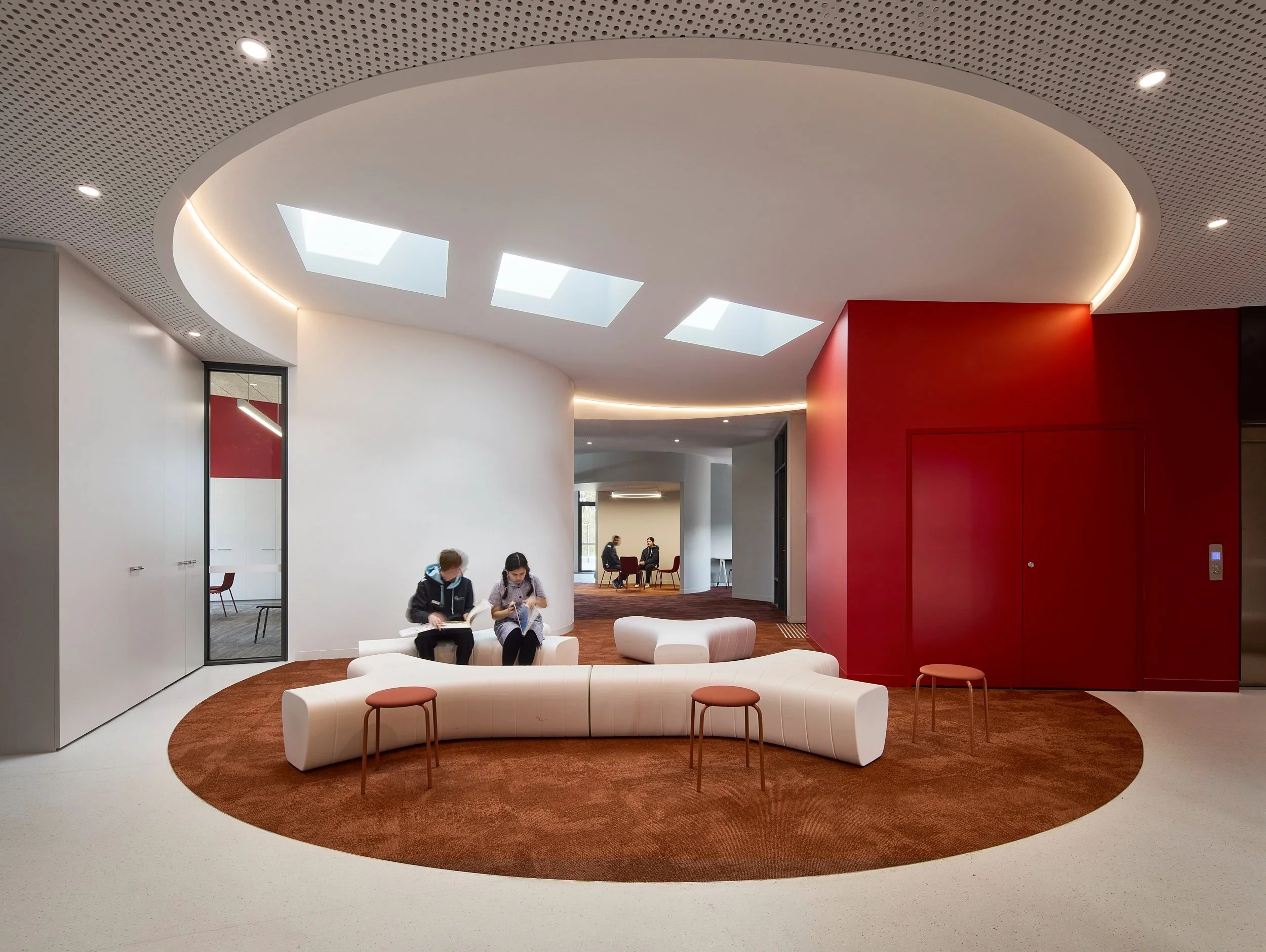
Hampton East School
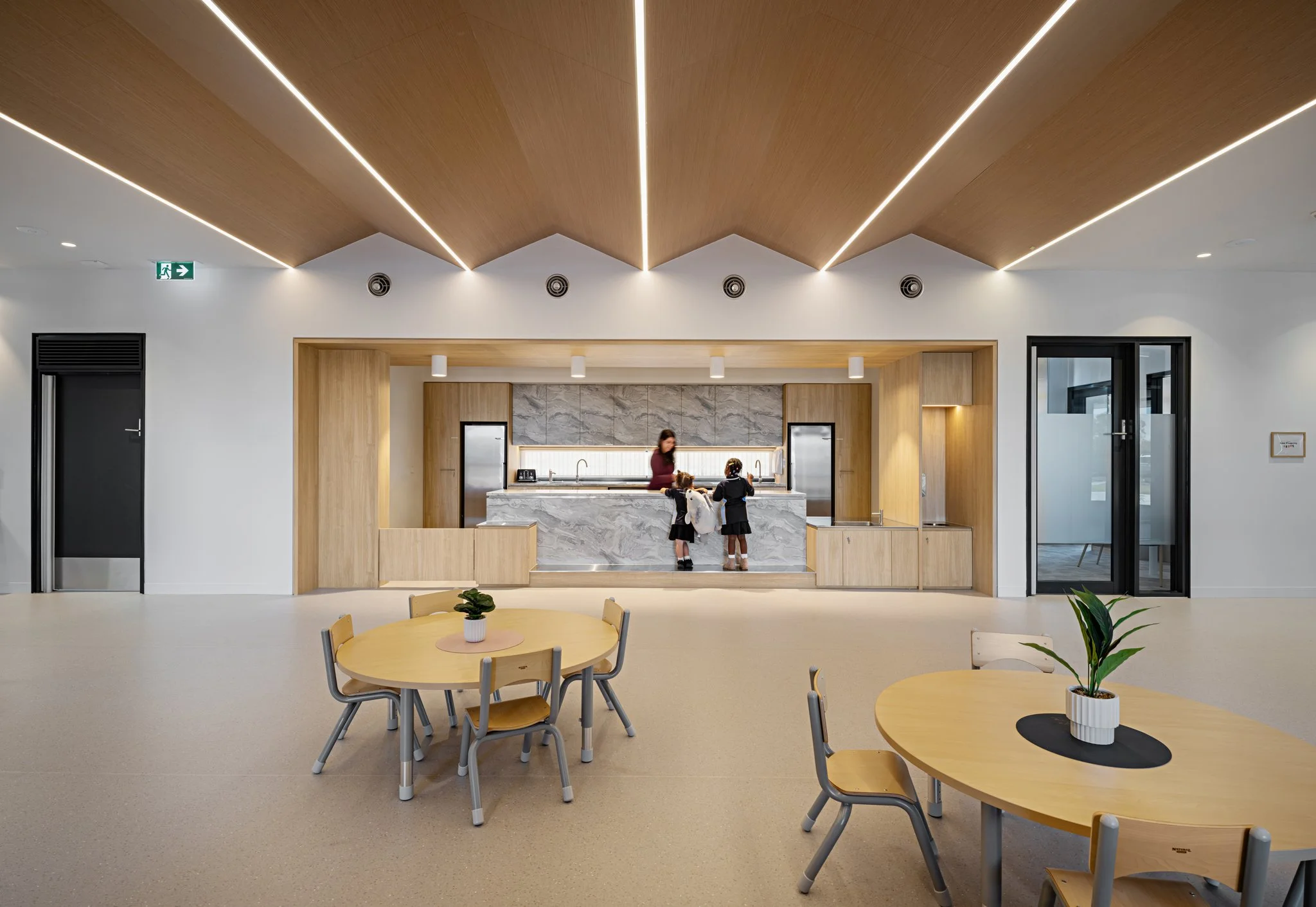
Mernda Hills Christian College Early Learning Centre
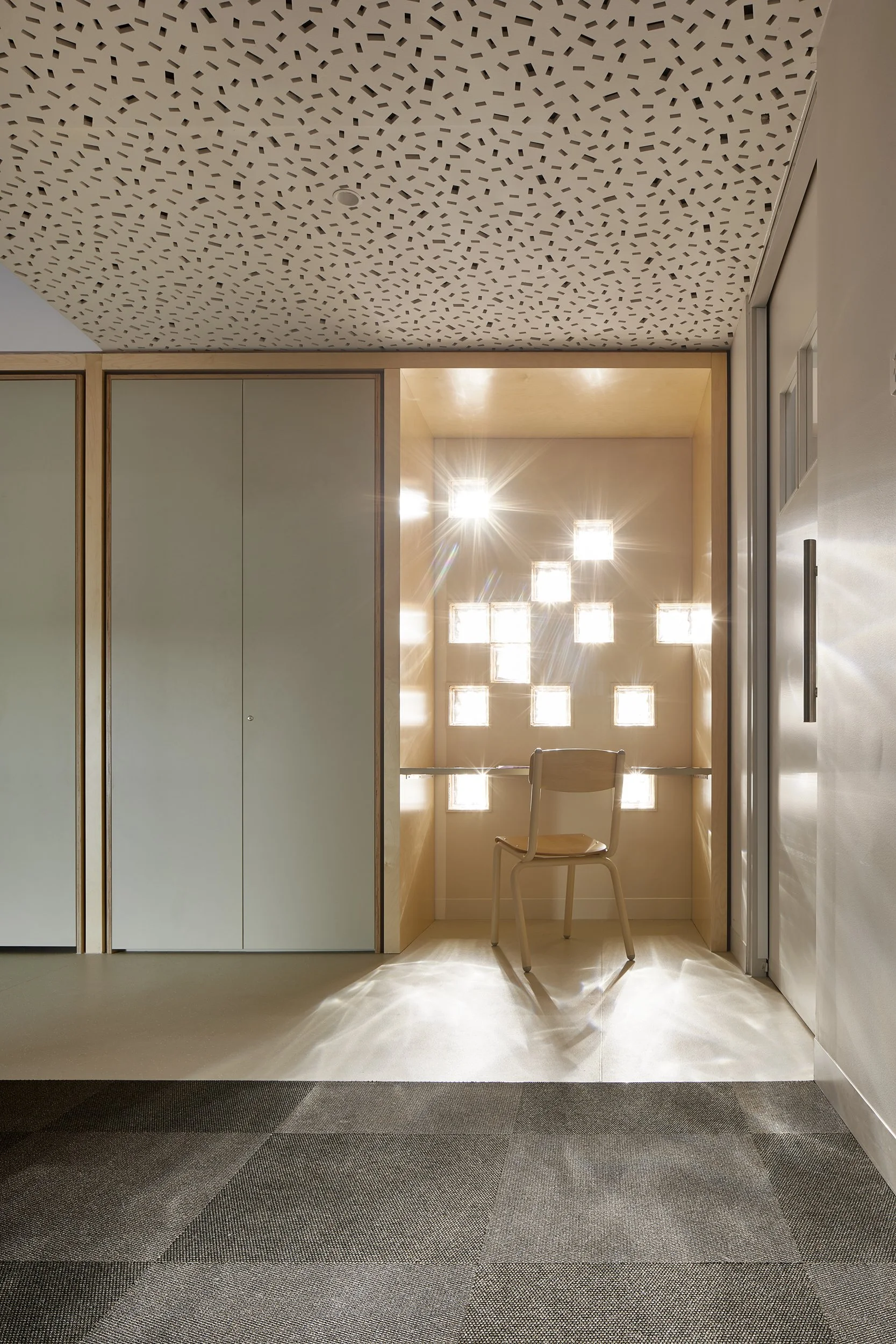
Yarraville Special Developmental School
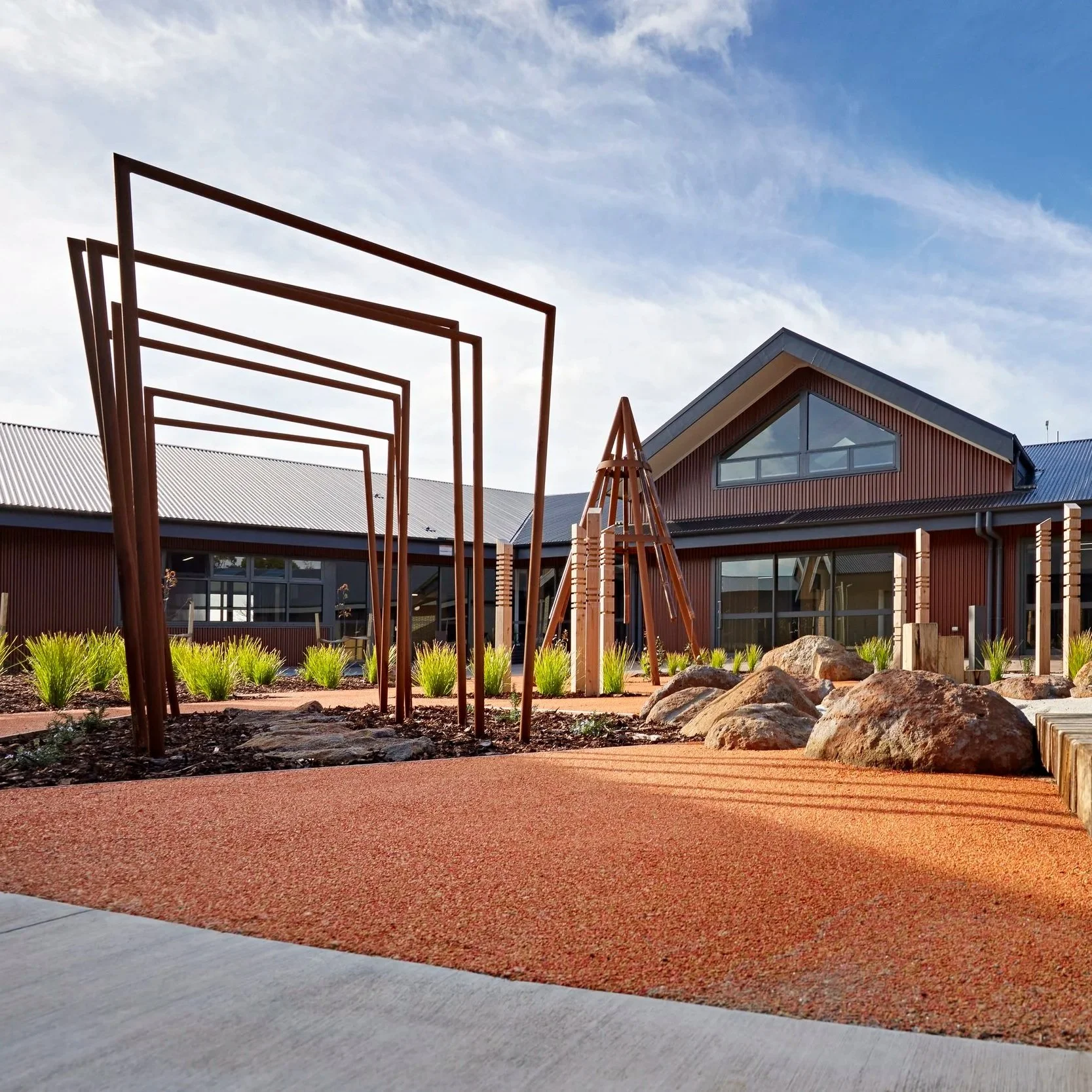
Portland Bay School
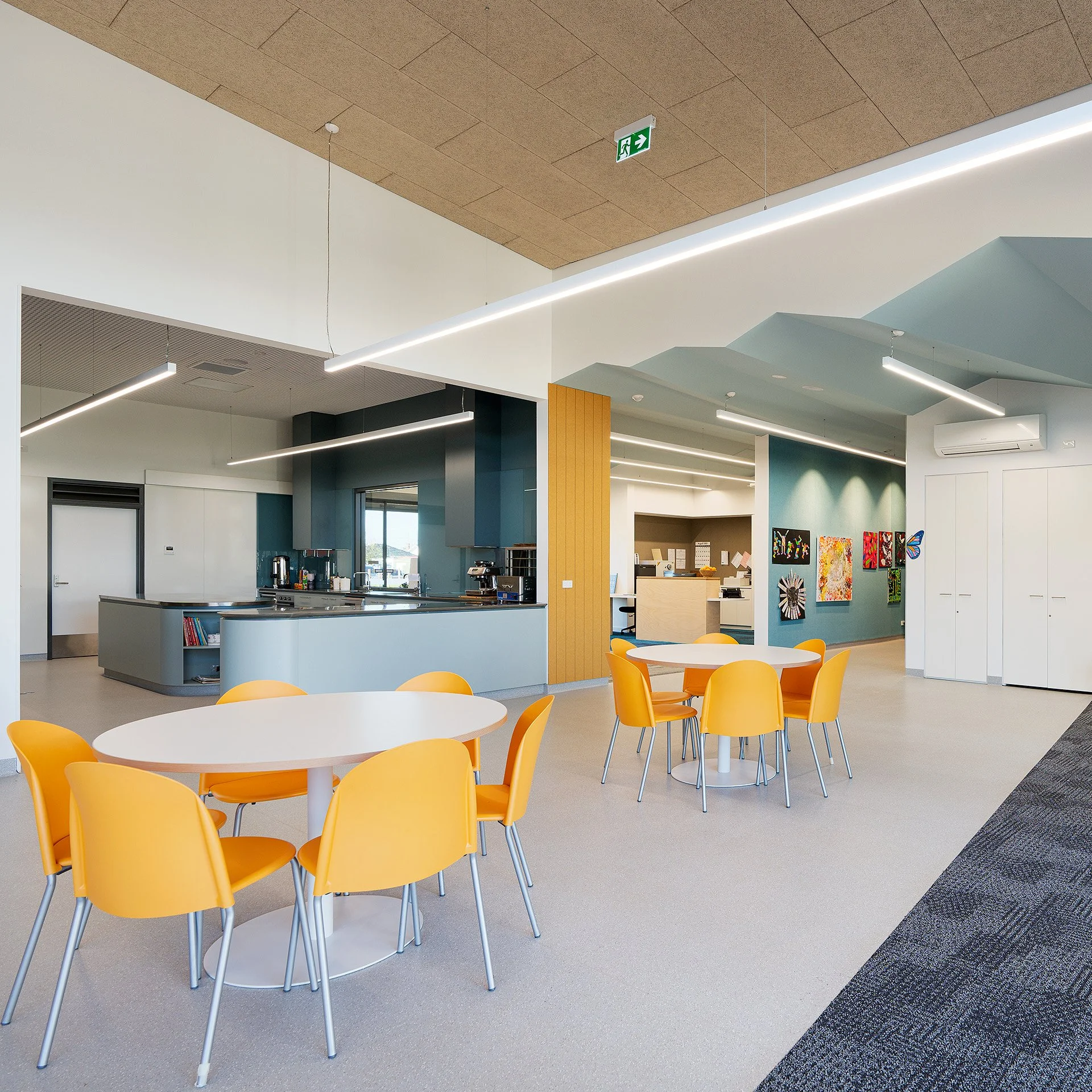
Warracknabeal Special Developmental School
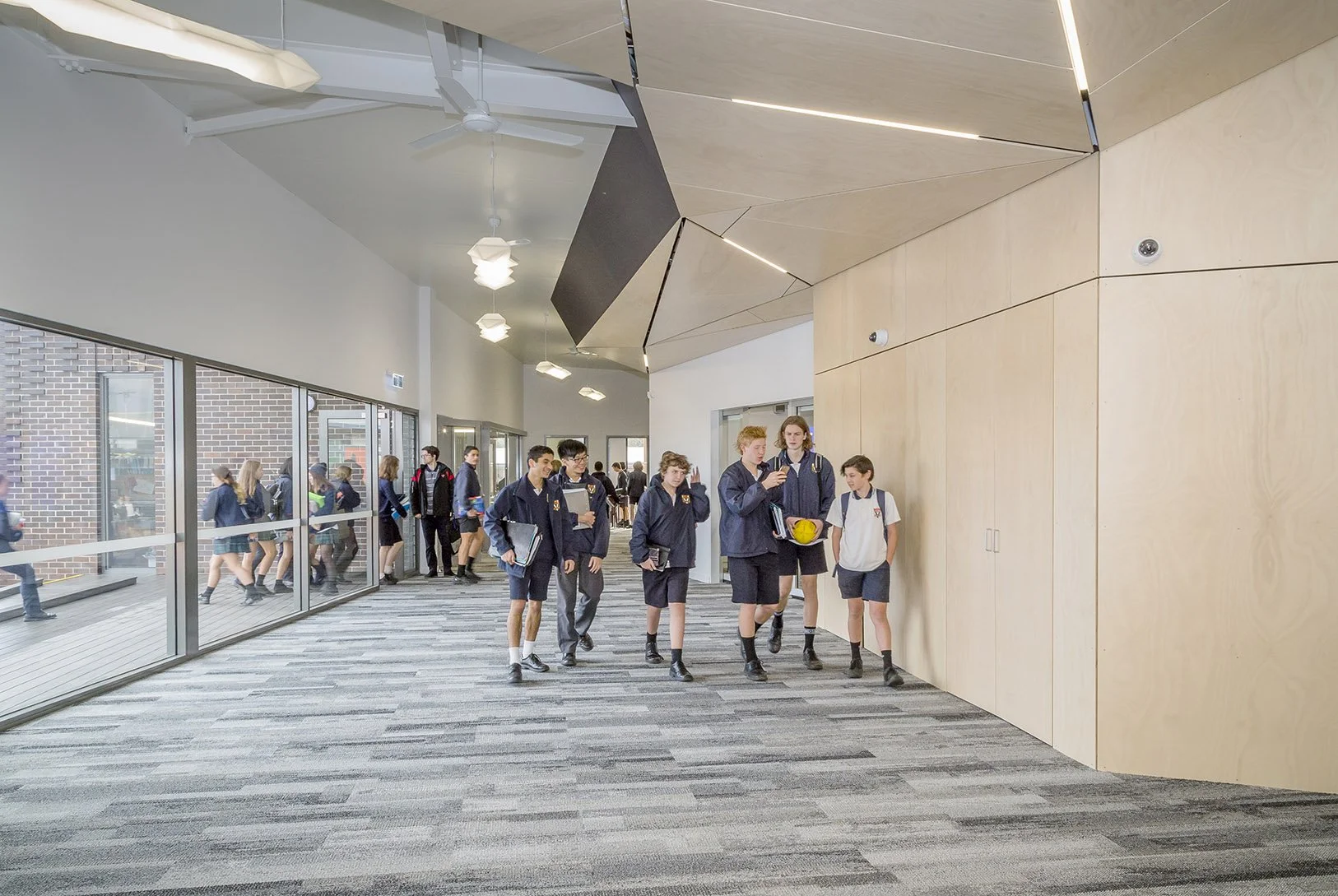
Vermont Secondary College Science & Maths Centre
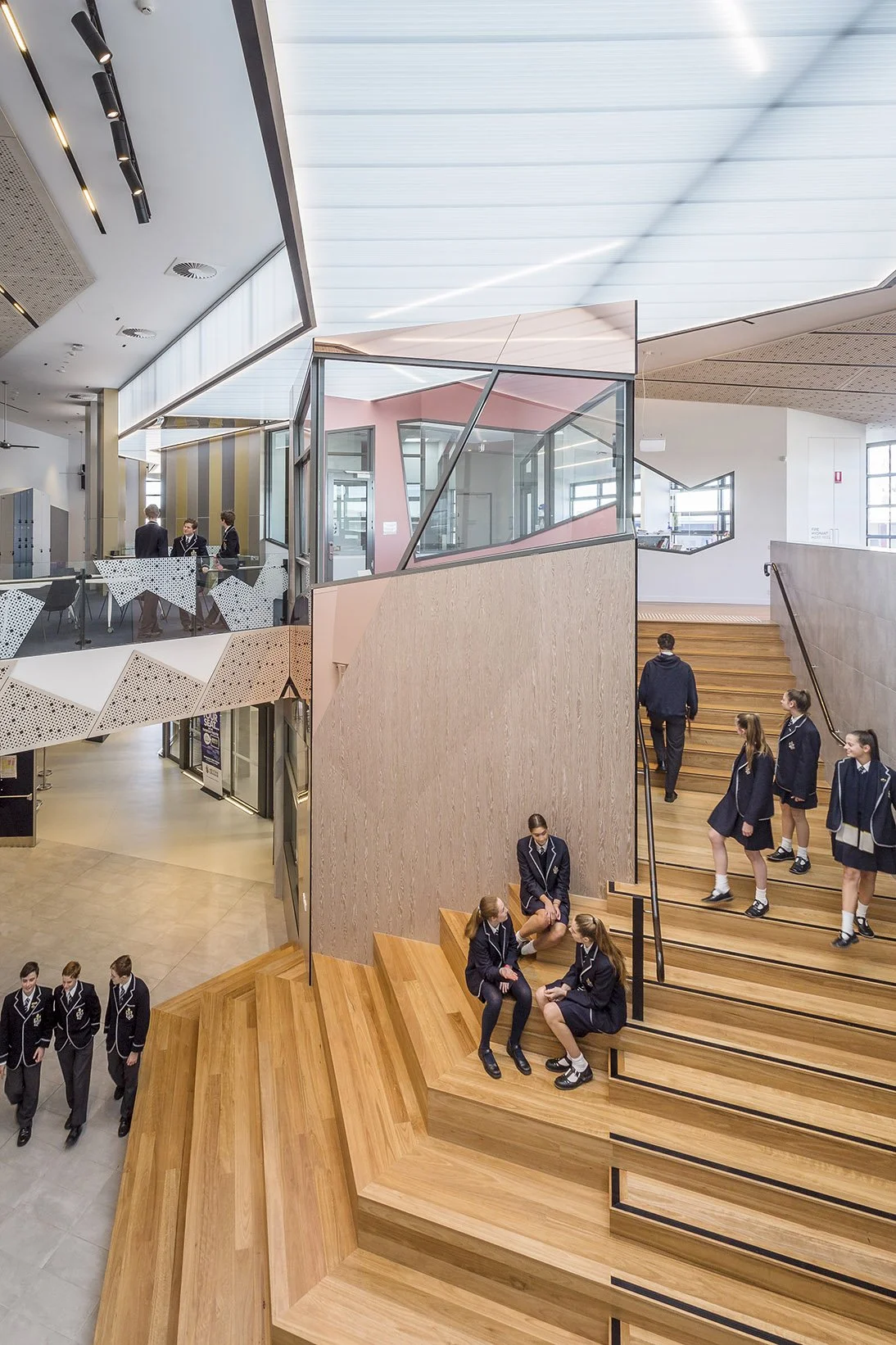
Mentone Grammar Creativity Centre
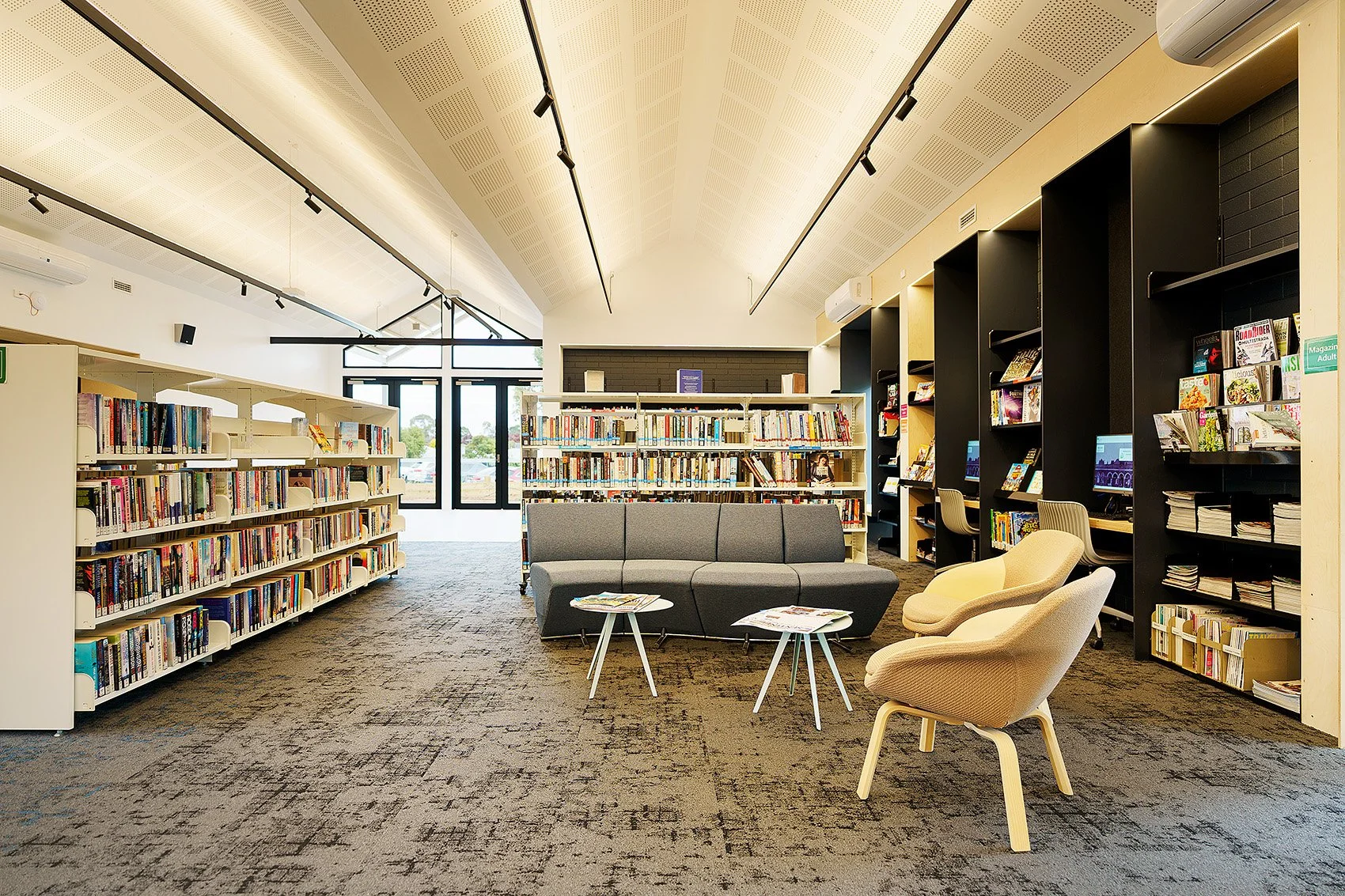
Robinvale College Community Hub
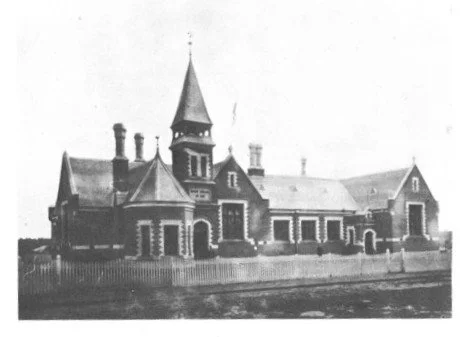
Portland Primary School- Block A

Viewbank Primary School Administration
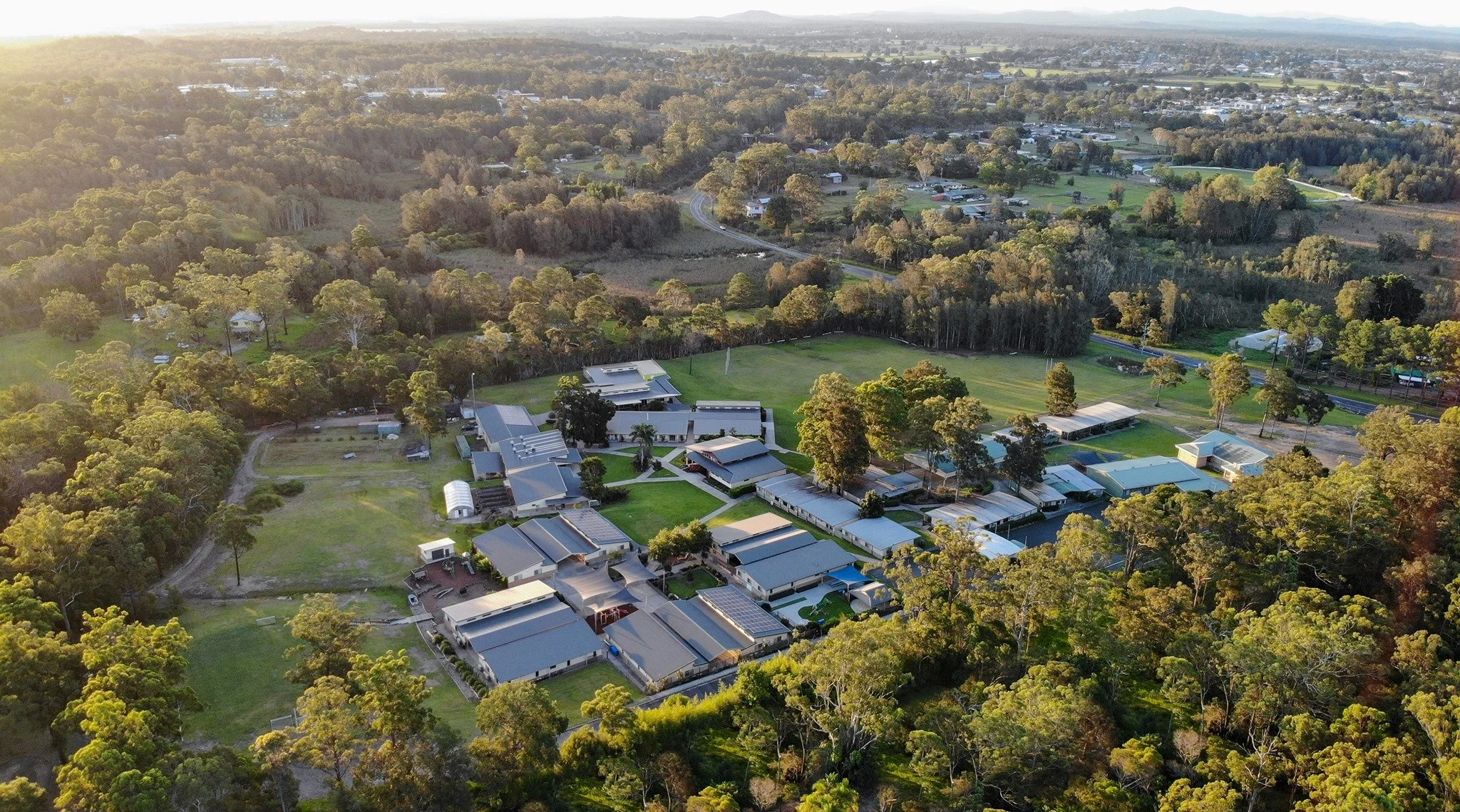
Kempsey Adventist School Masterplan
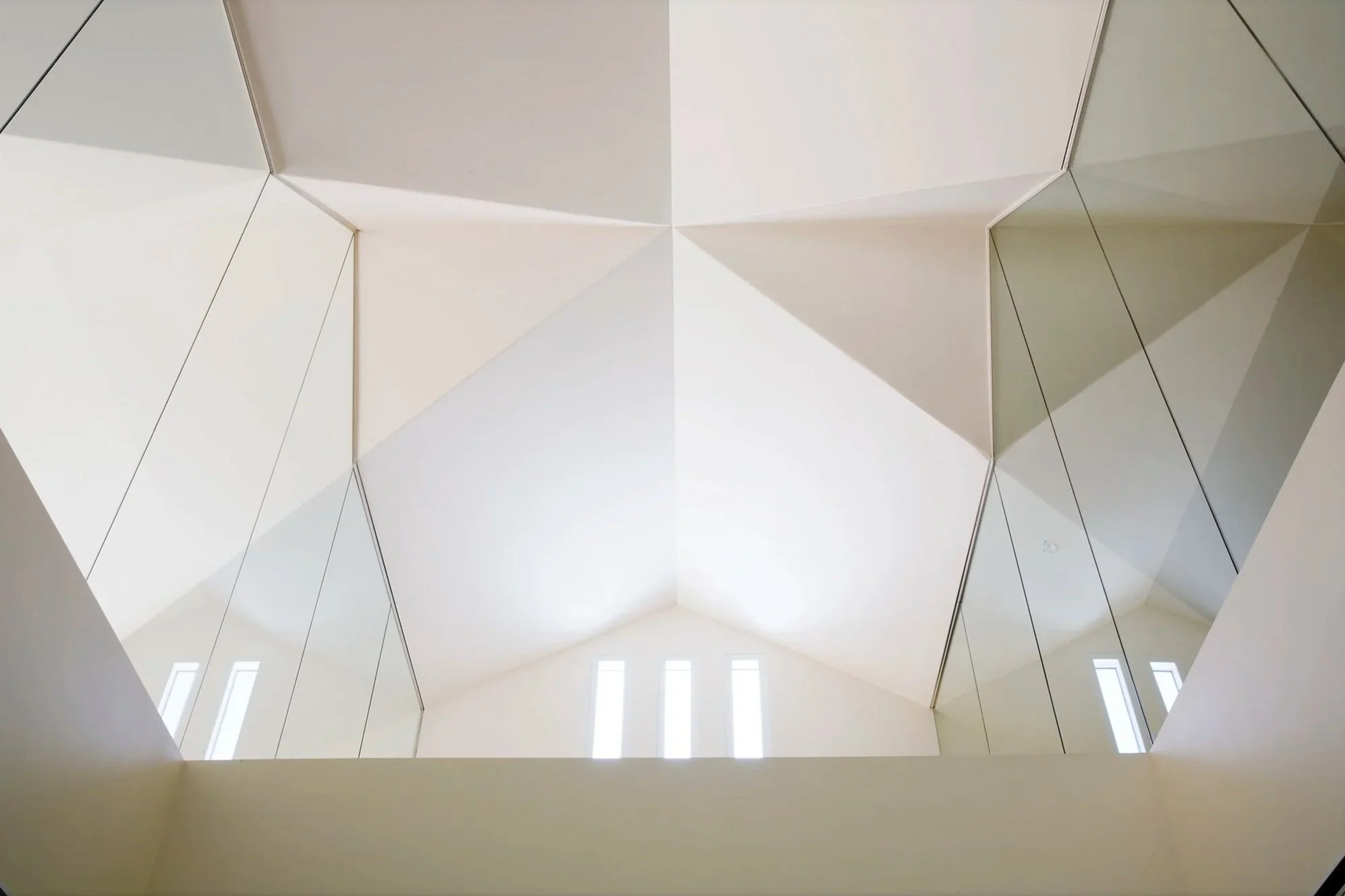
Holy Trinity Anglican Church
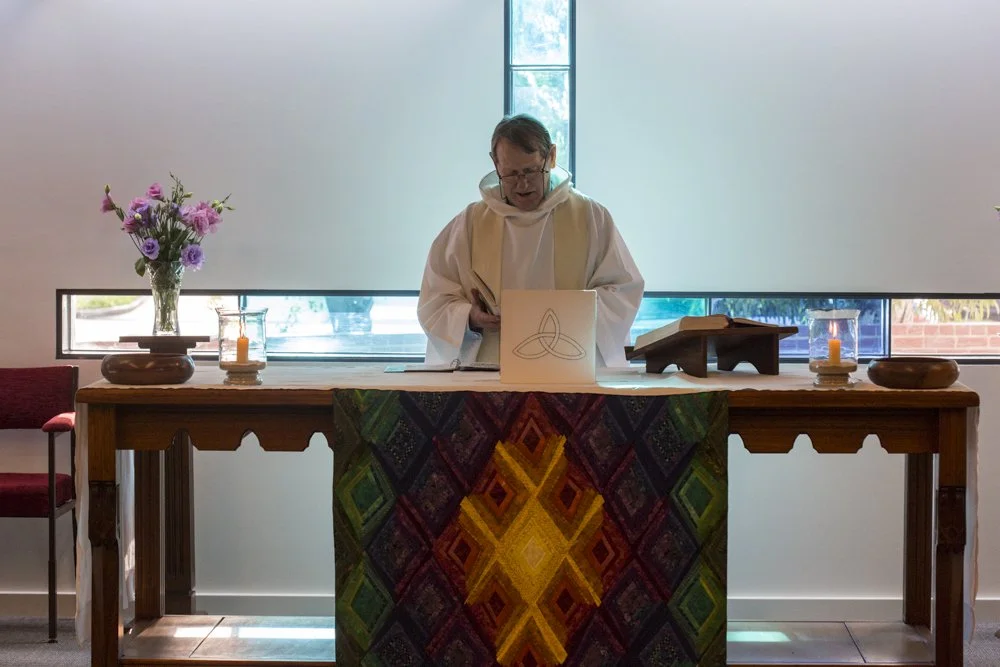
St Nicholas Anglican Church
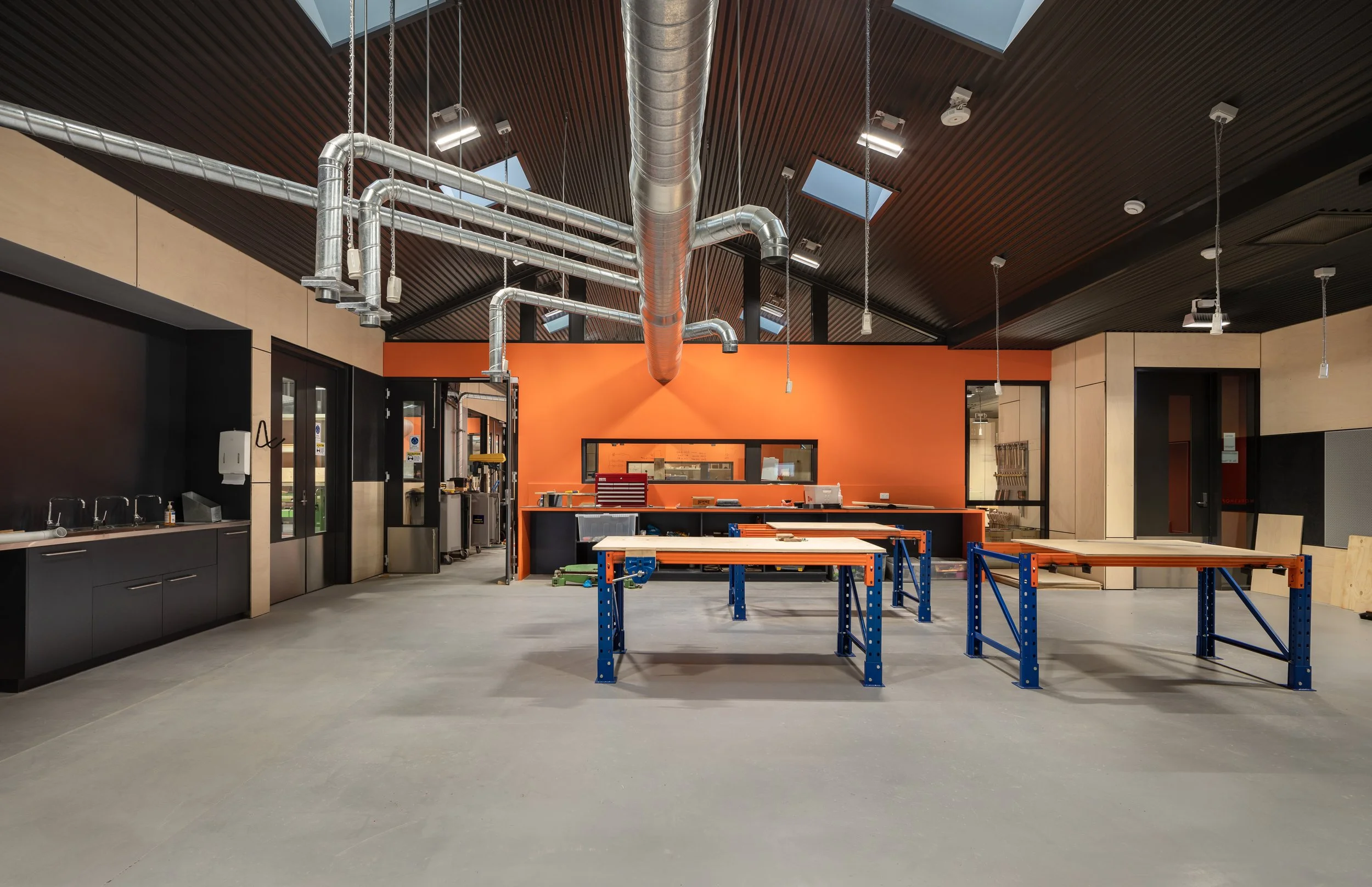
St Bede's College Arts & Technology Centre
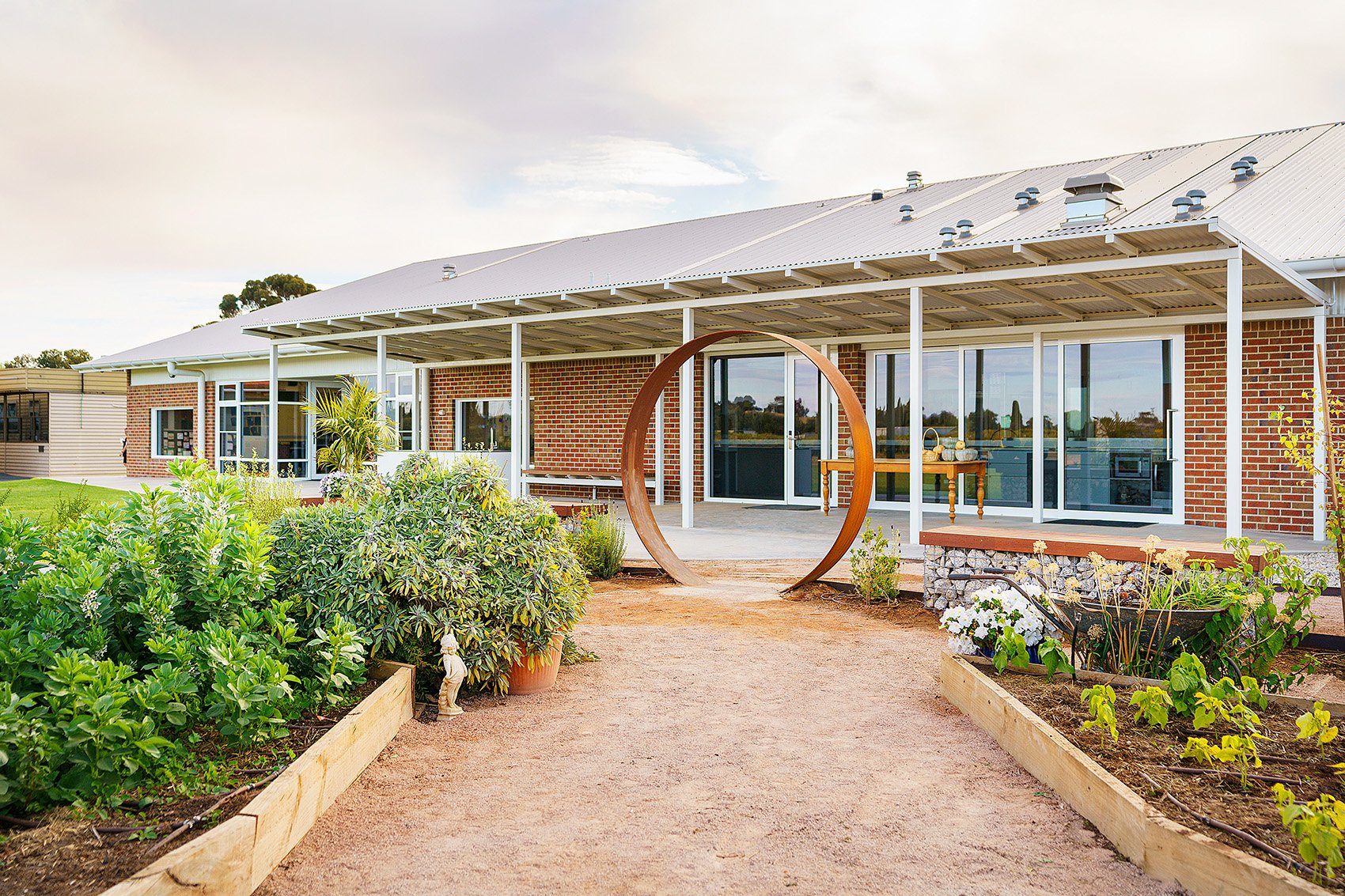
Henderson College Years 5-8 & Home Economics
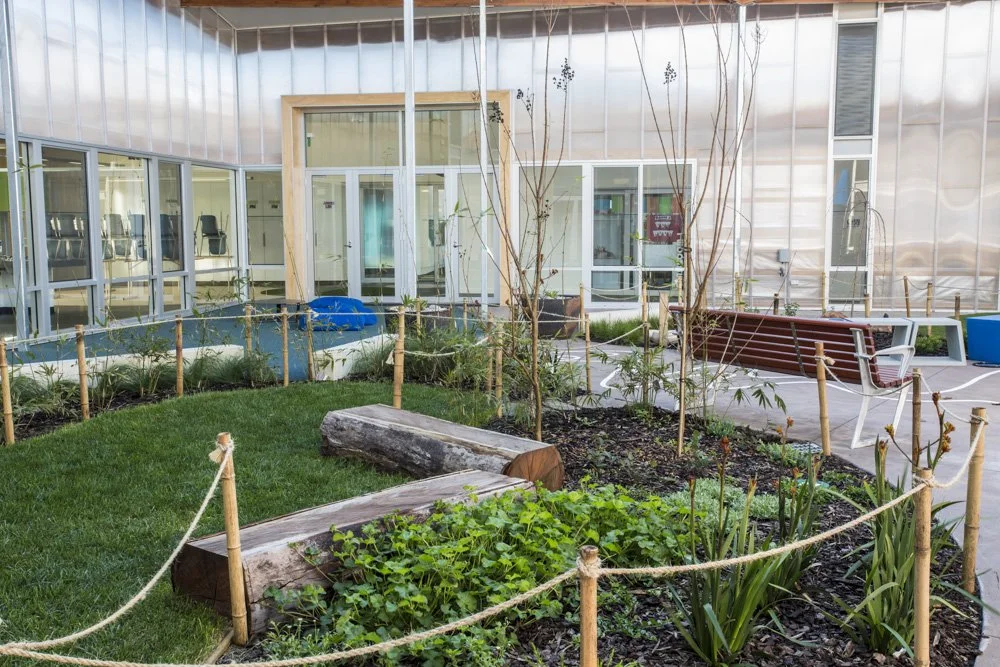
Horsham Special School Sensory Garden
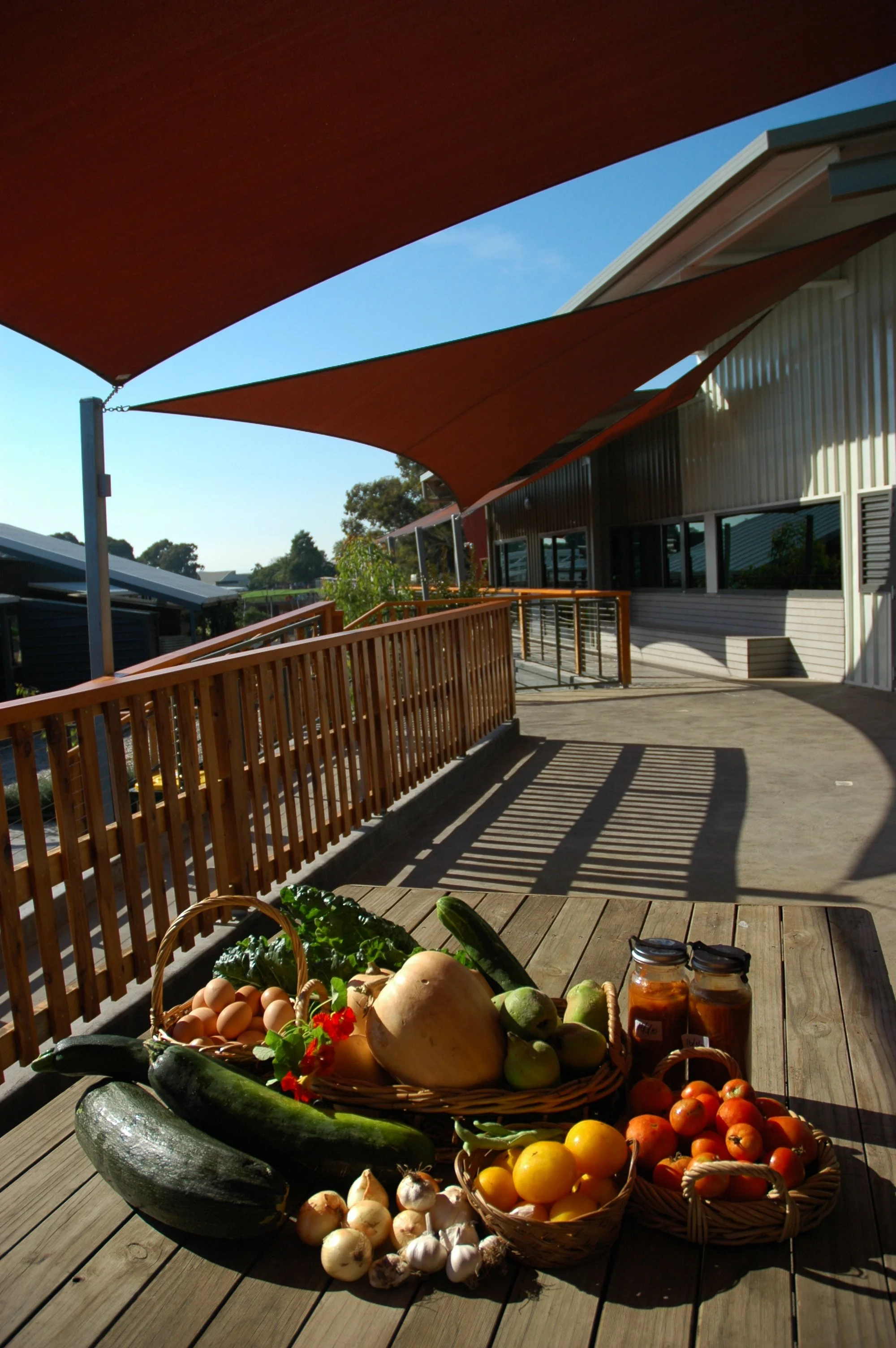
South Gippsland Specialist School Kitchen Garden
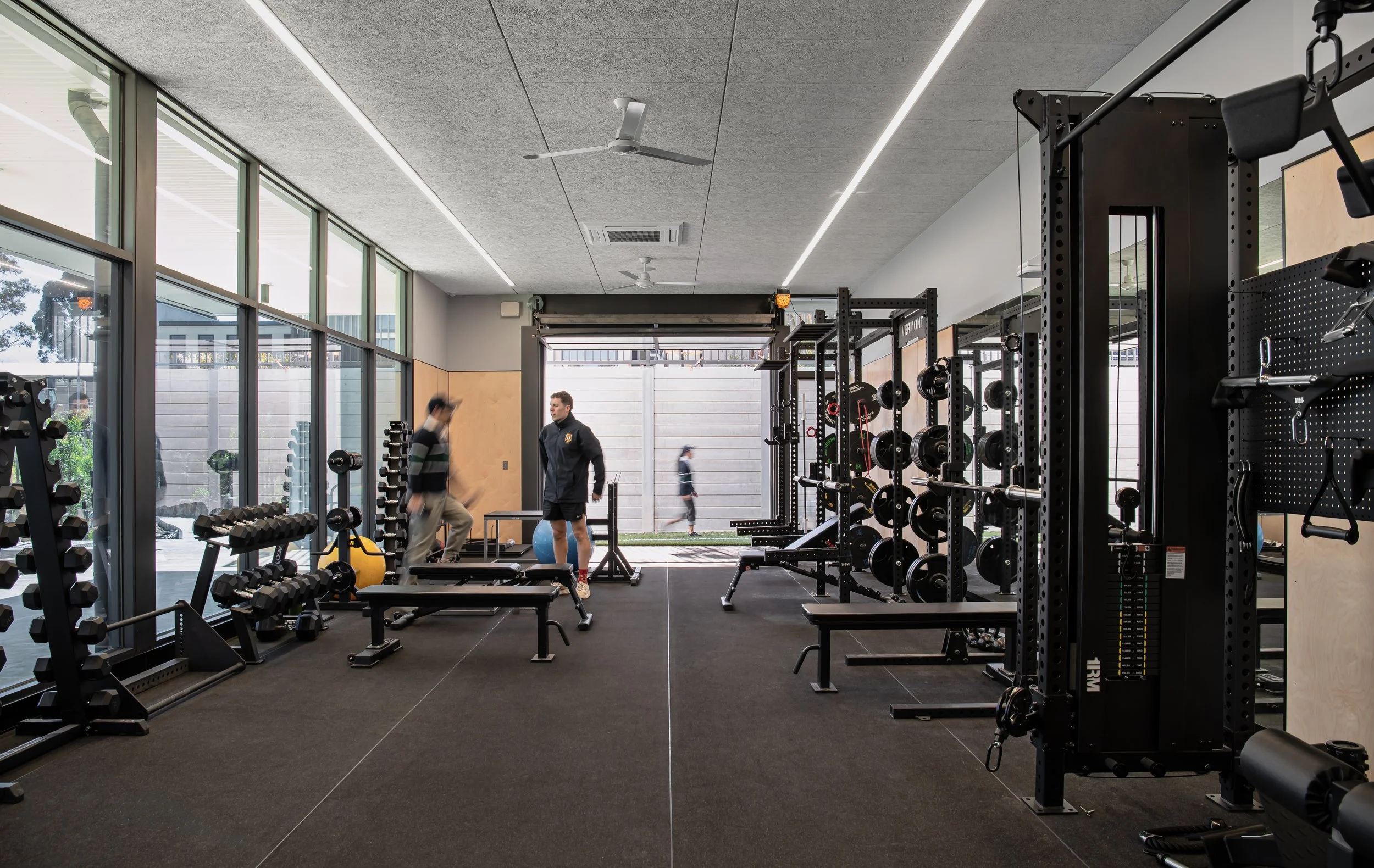
Vermont Secondary College Gymnasium
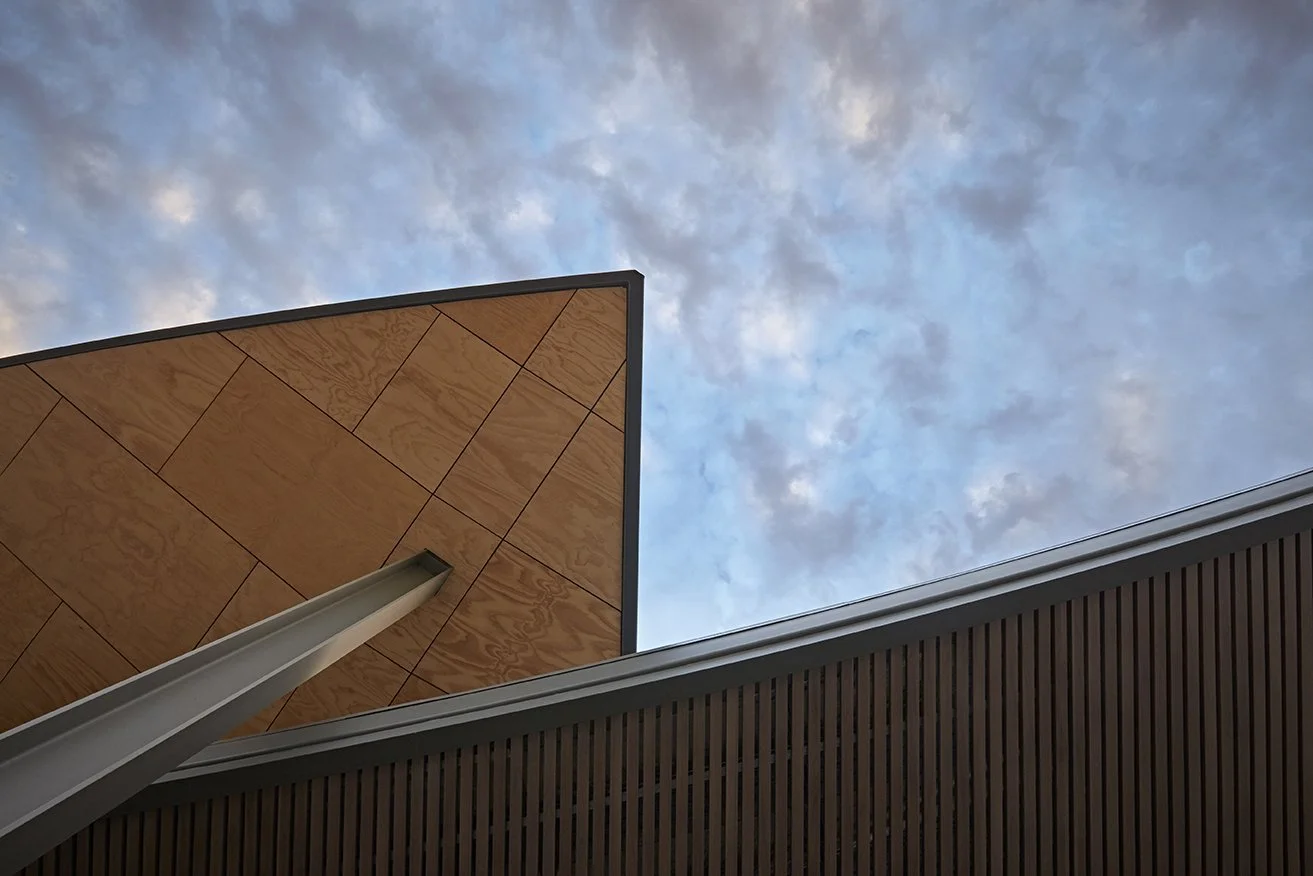
Bennettswood Reserve Pavilion
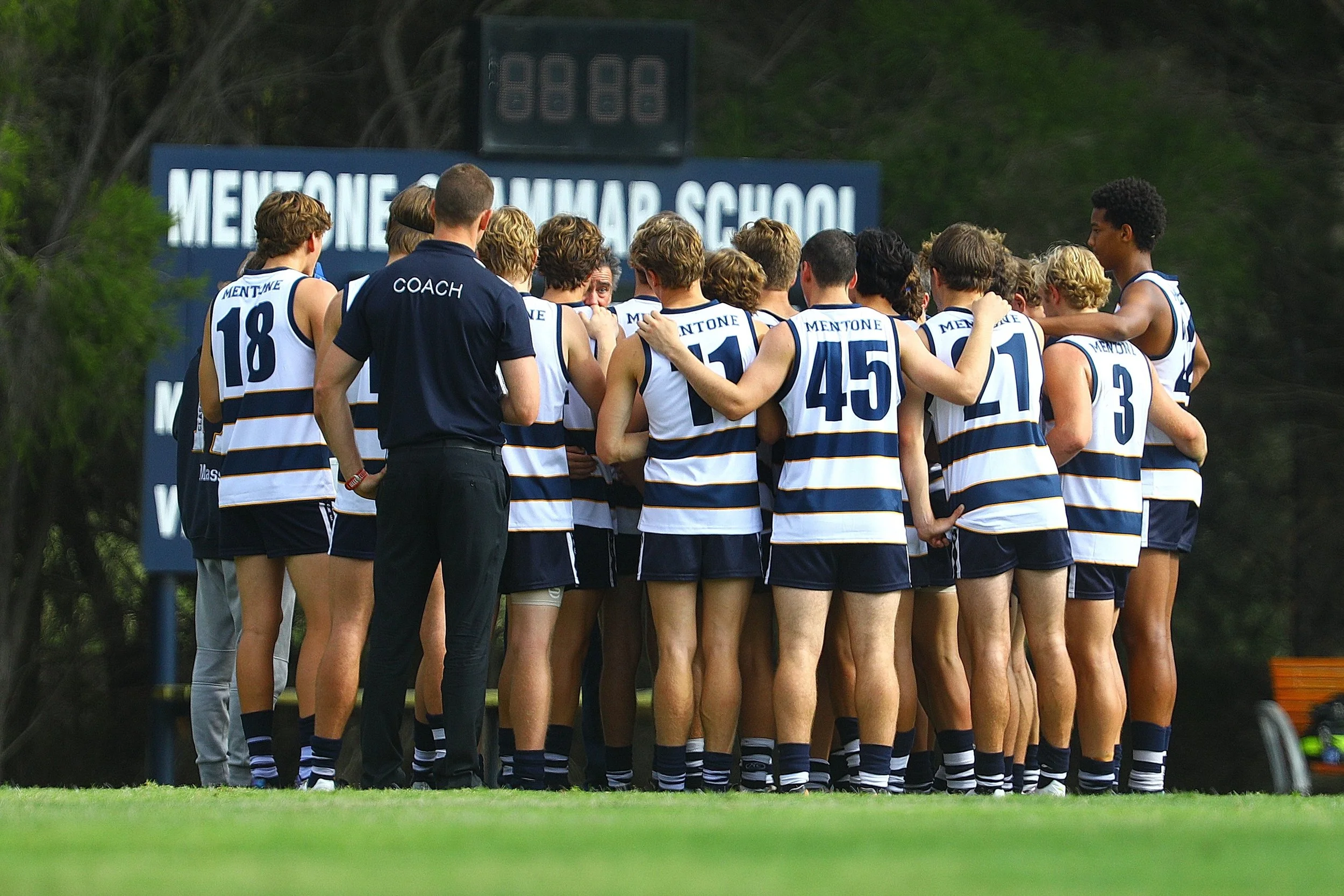
Keysborough Playing Fields Masterplan

Taylors Lakes Primary School Multipurpose Hall
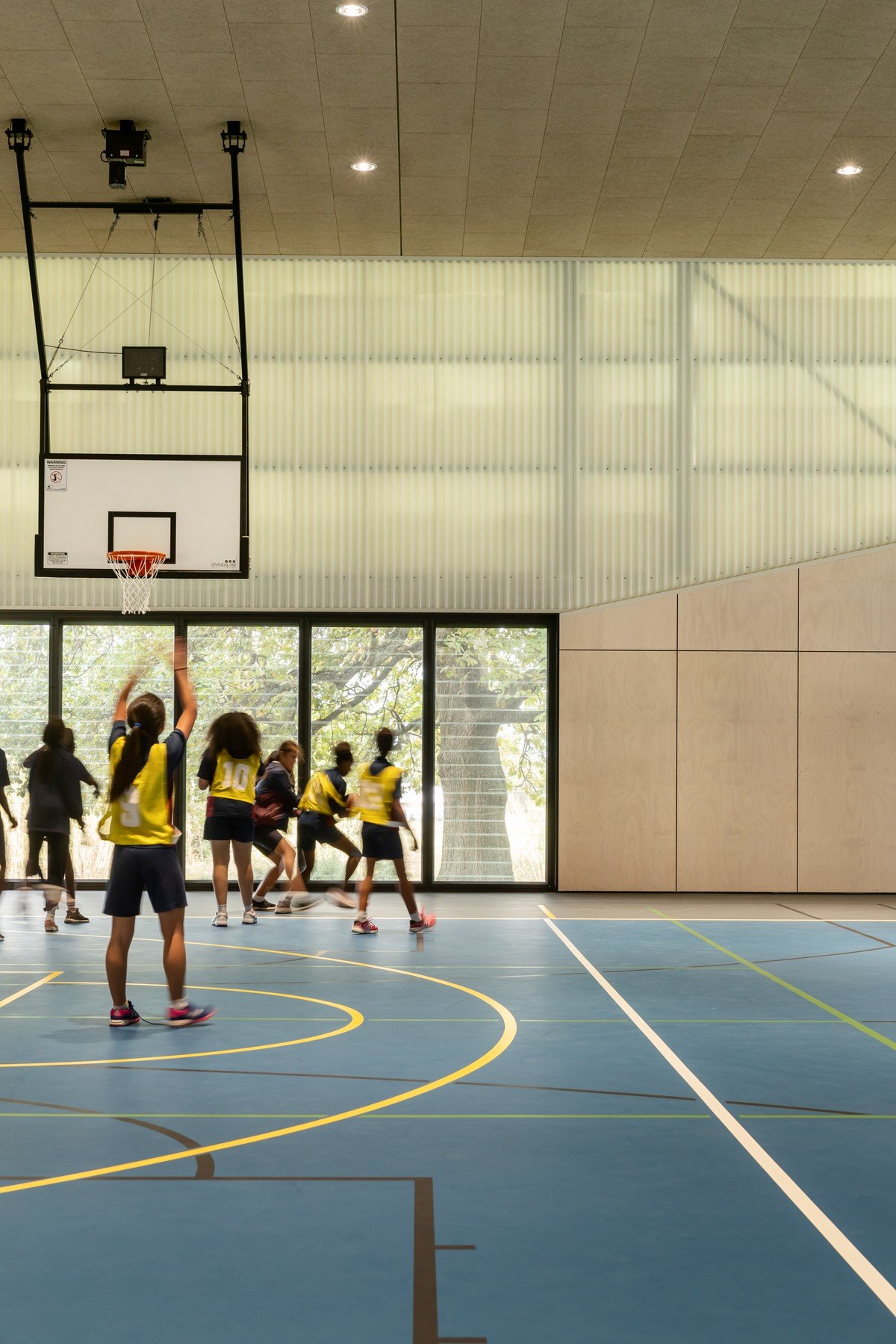
Heritage College Officer Multipurpose Hall
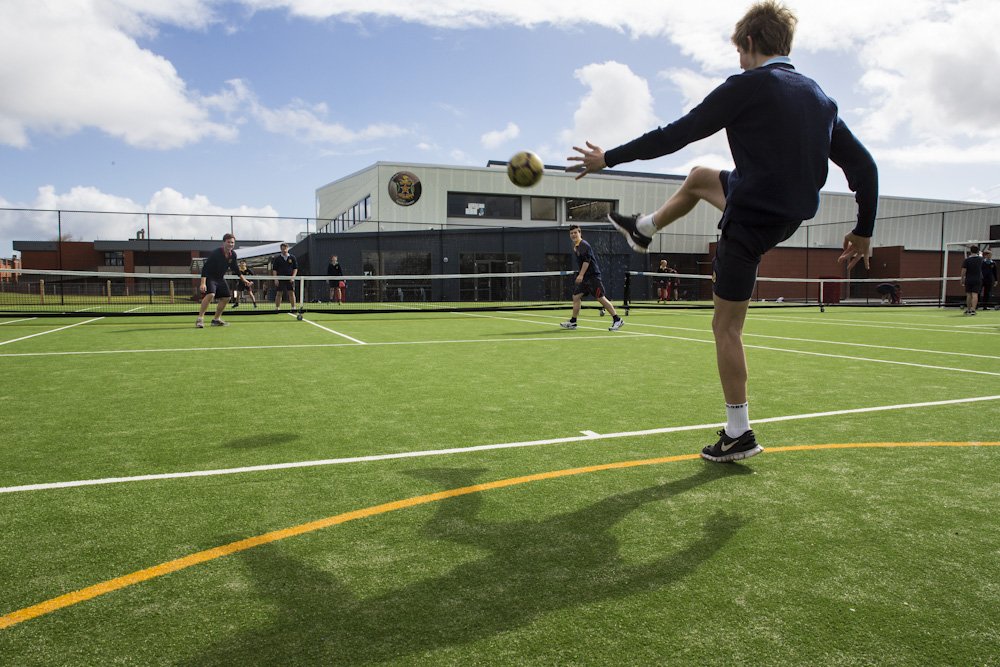
St Bede's College Health & Fitness Centre
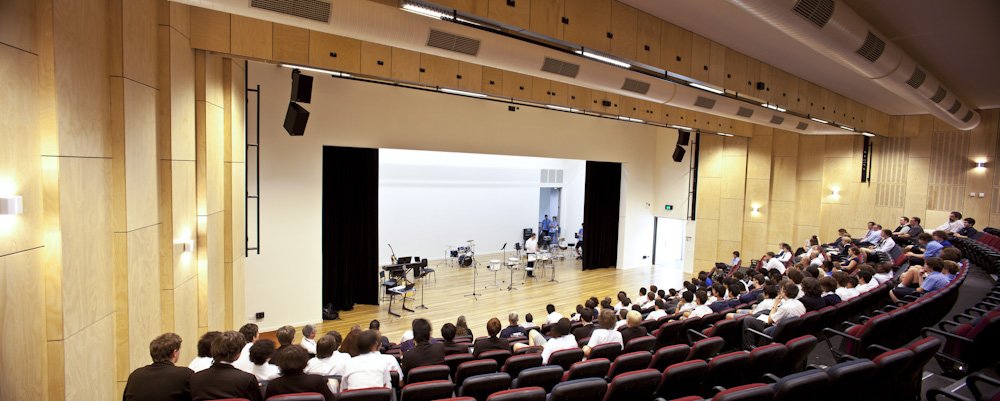
St Bede's College Performing Arts Centre
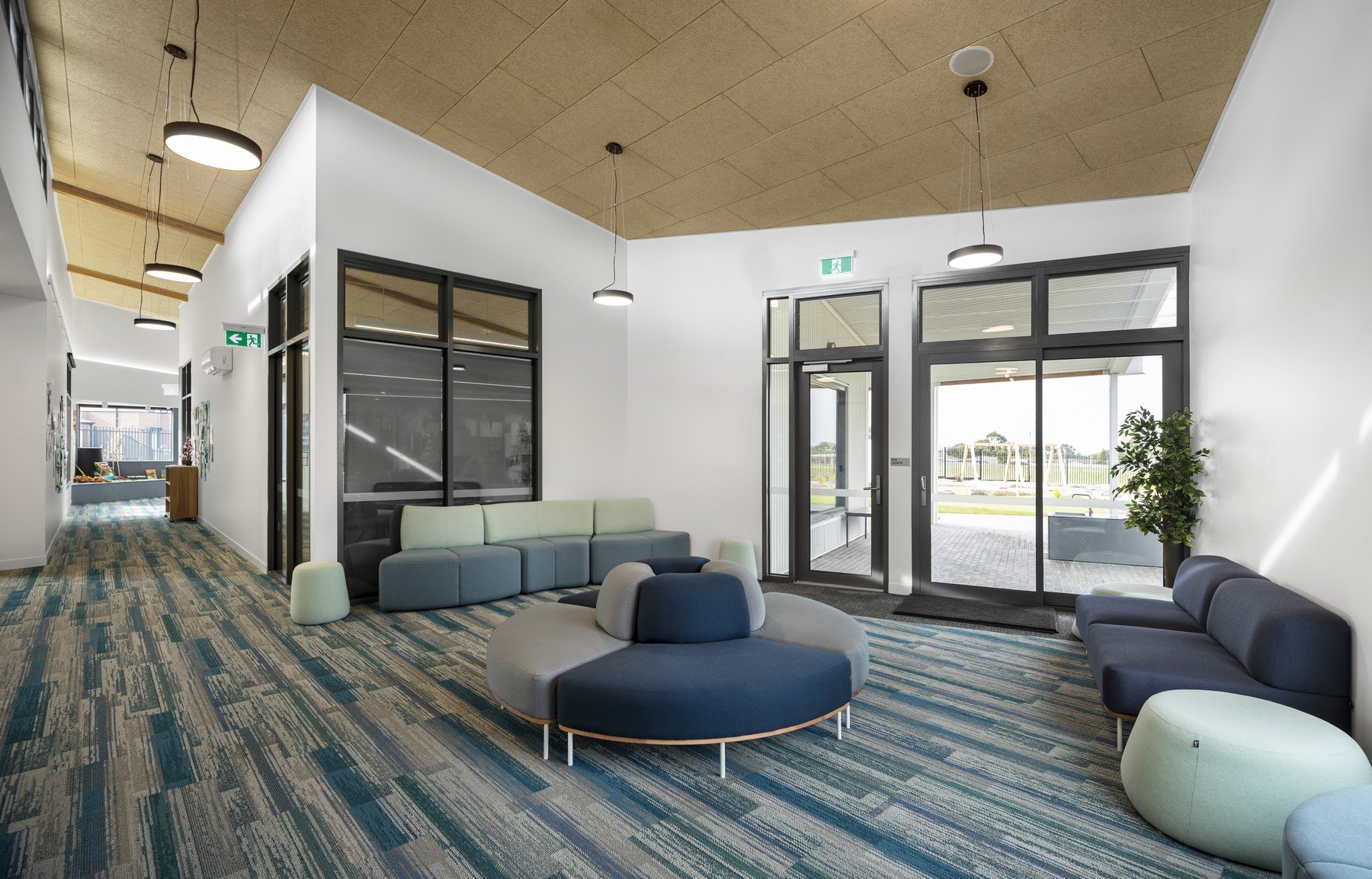
Gilson College Children's Centre
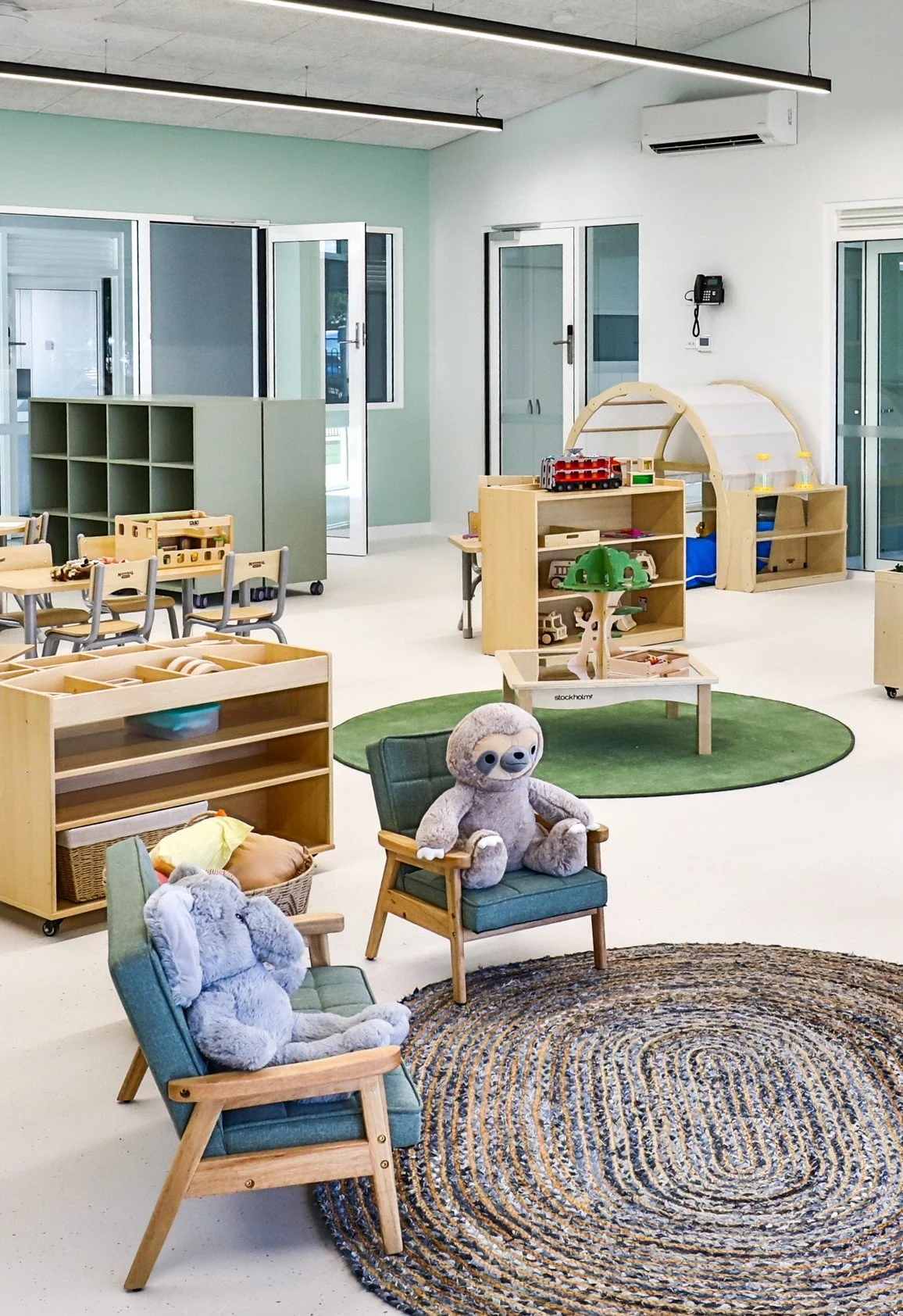
Henderson College Early Learning Centre
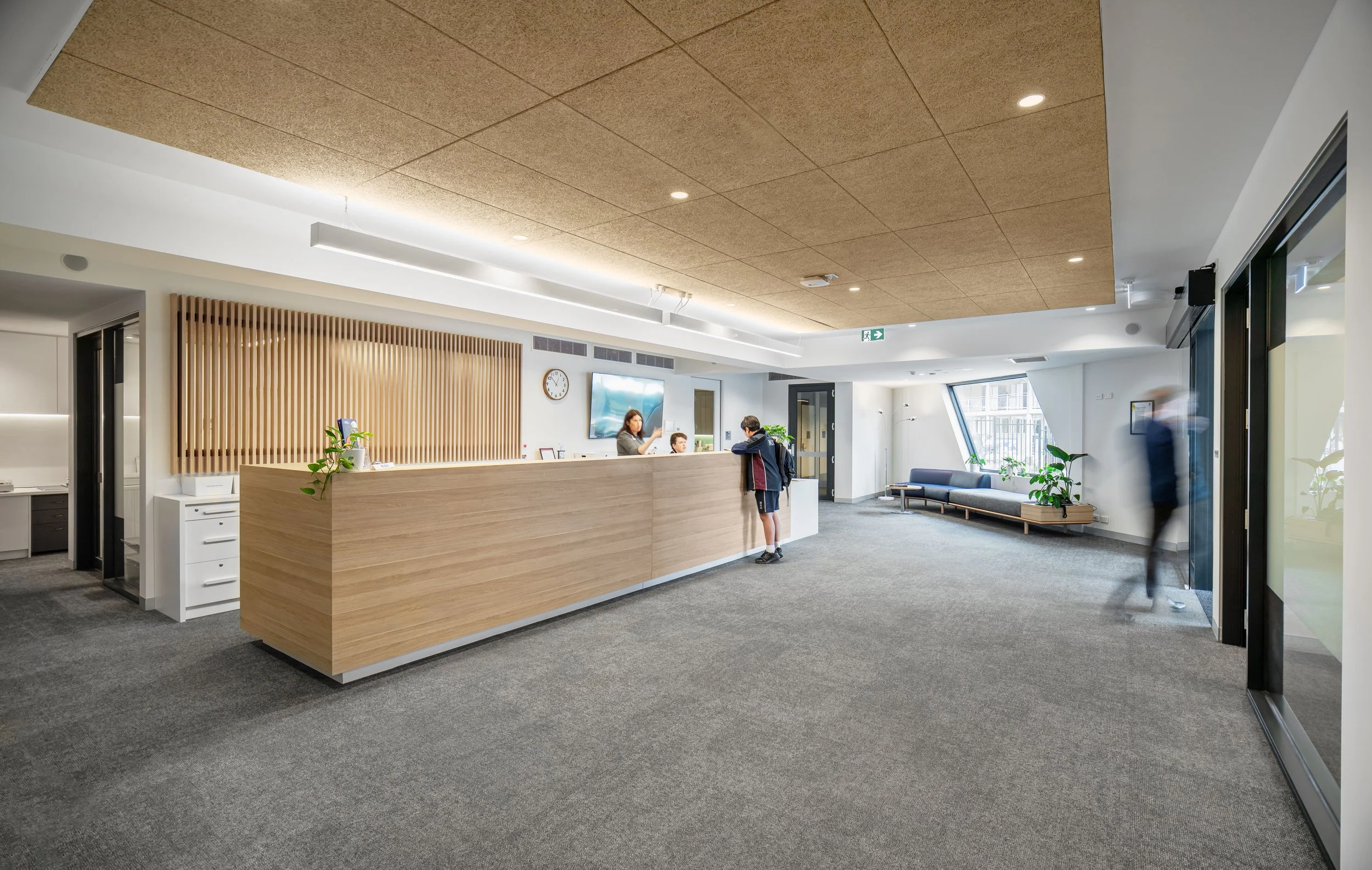
Nunawading Christian College Administration
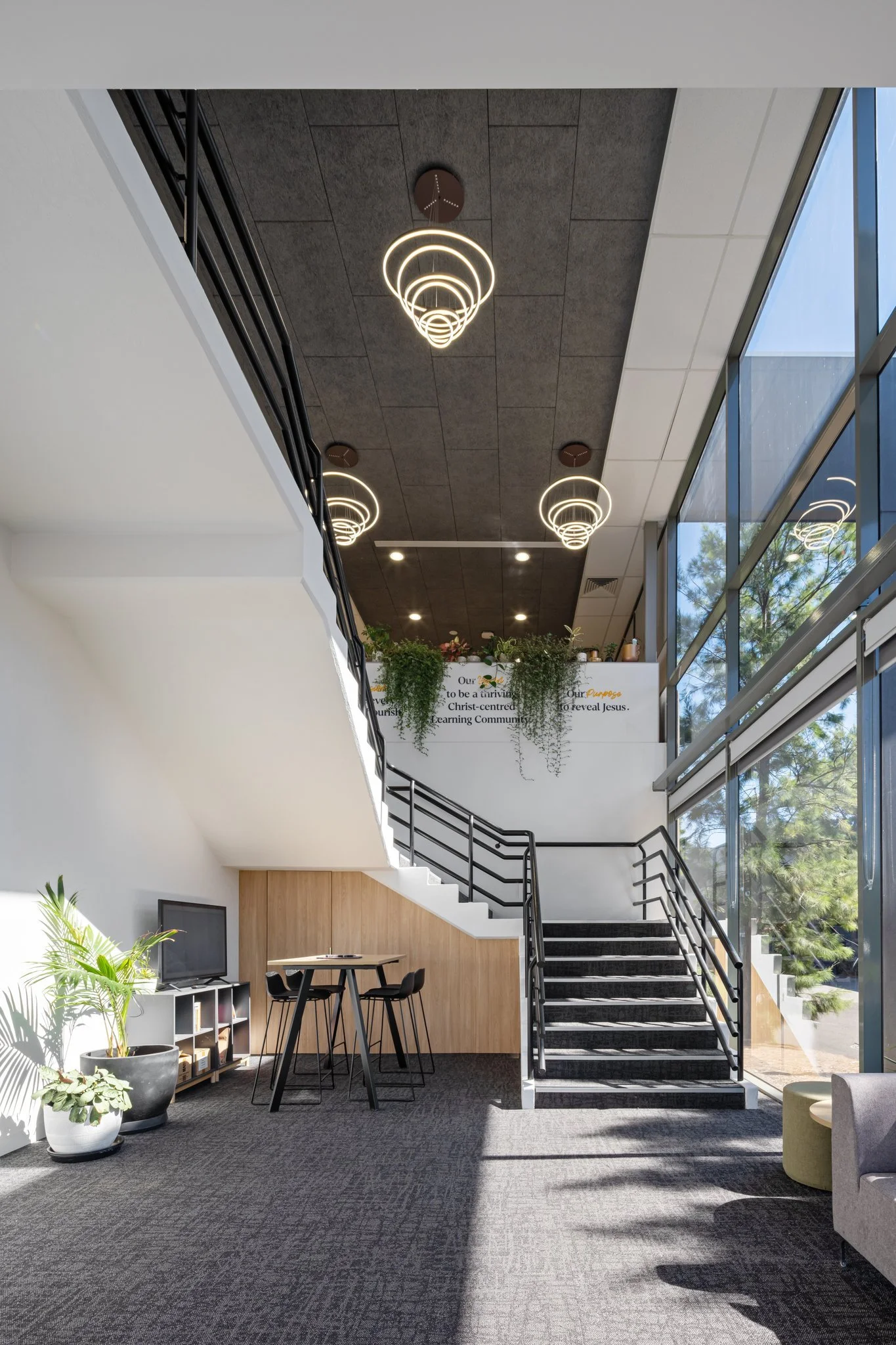
ASV Office
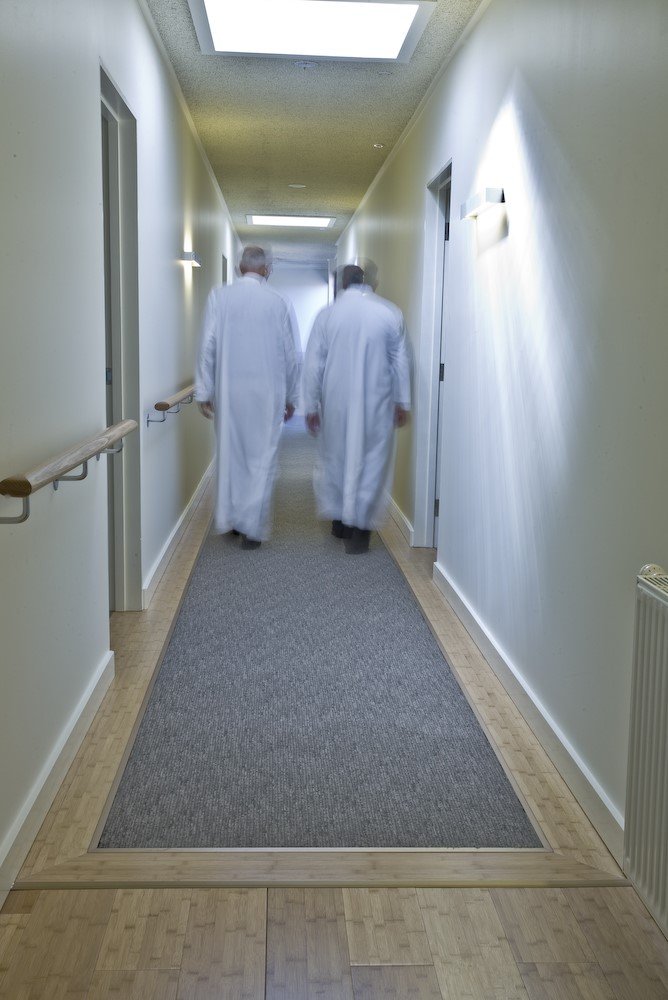
De La Salle Brothers' Residence
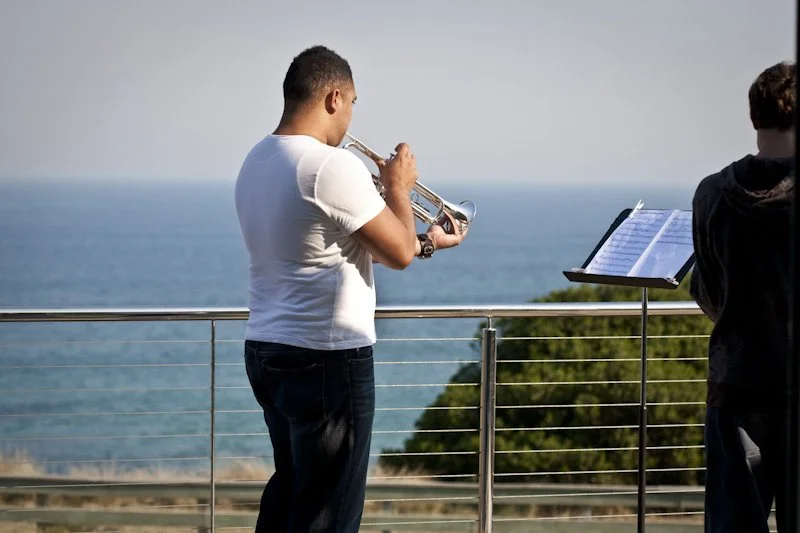
St Bede's College School Camp
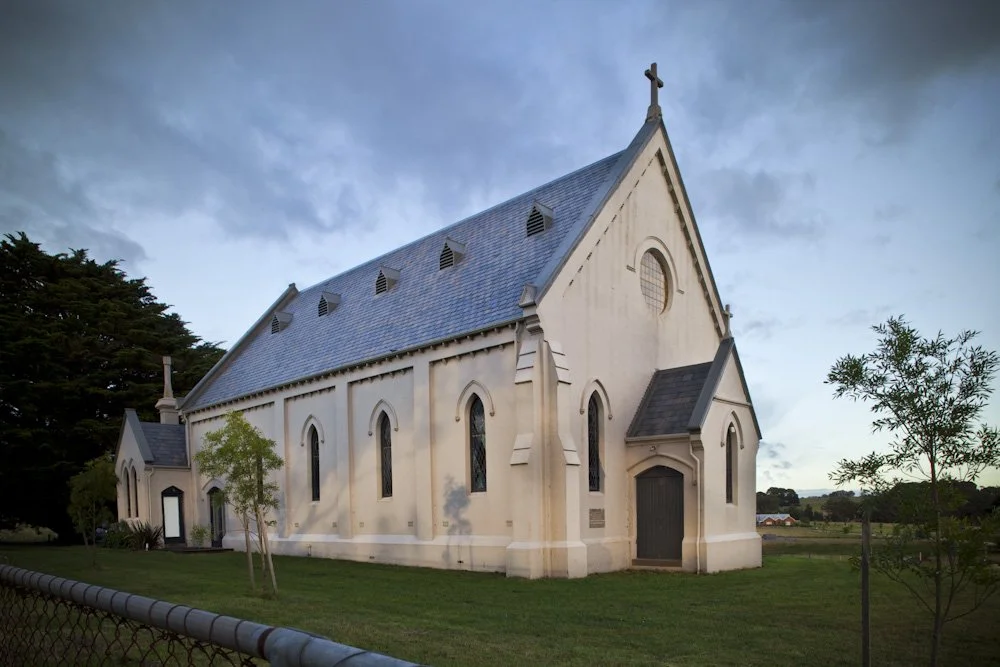
Sacred Heart Guest Accommodation
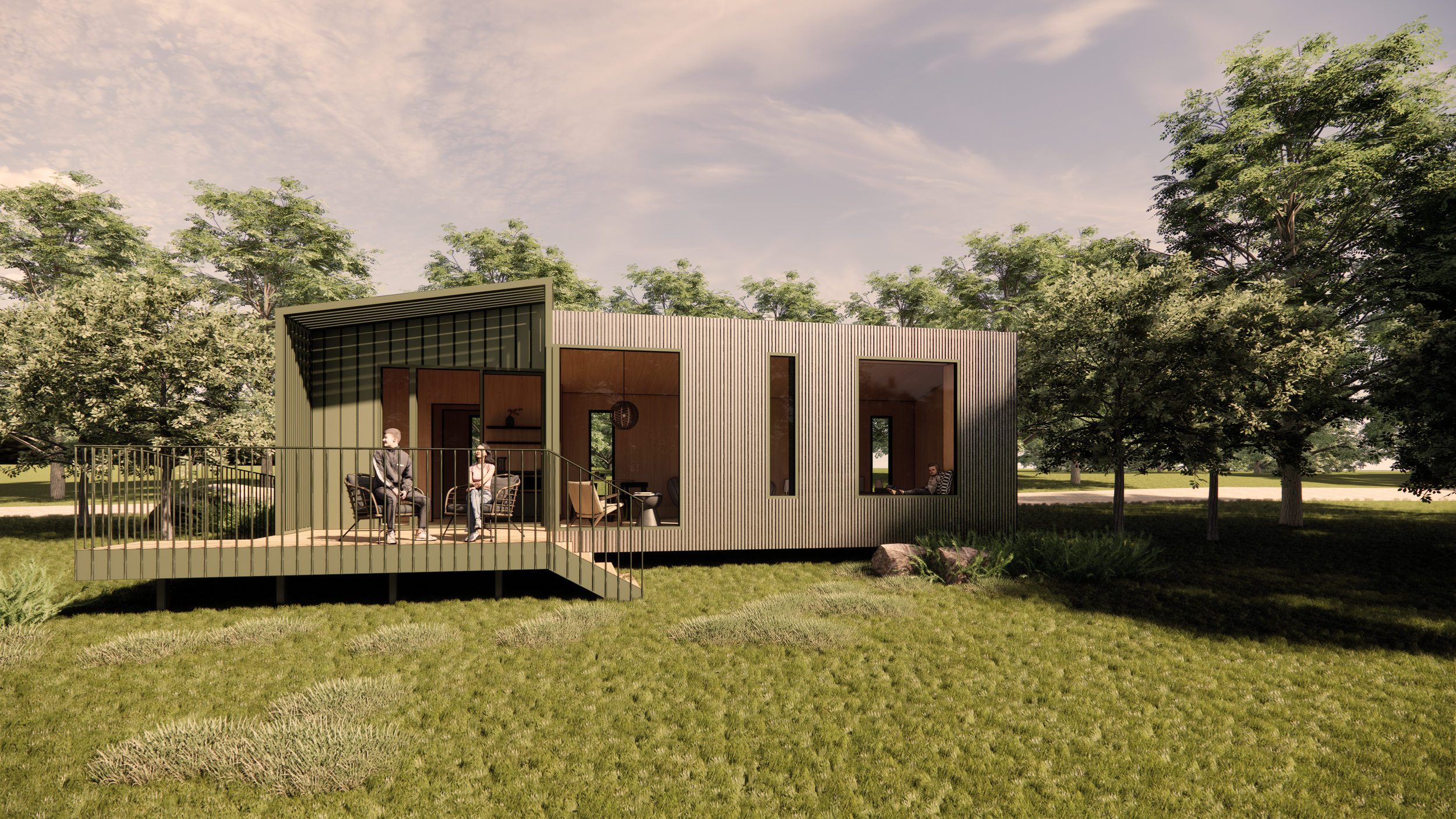
Jindabyne Alpine Village
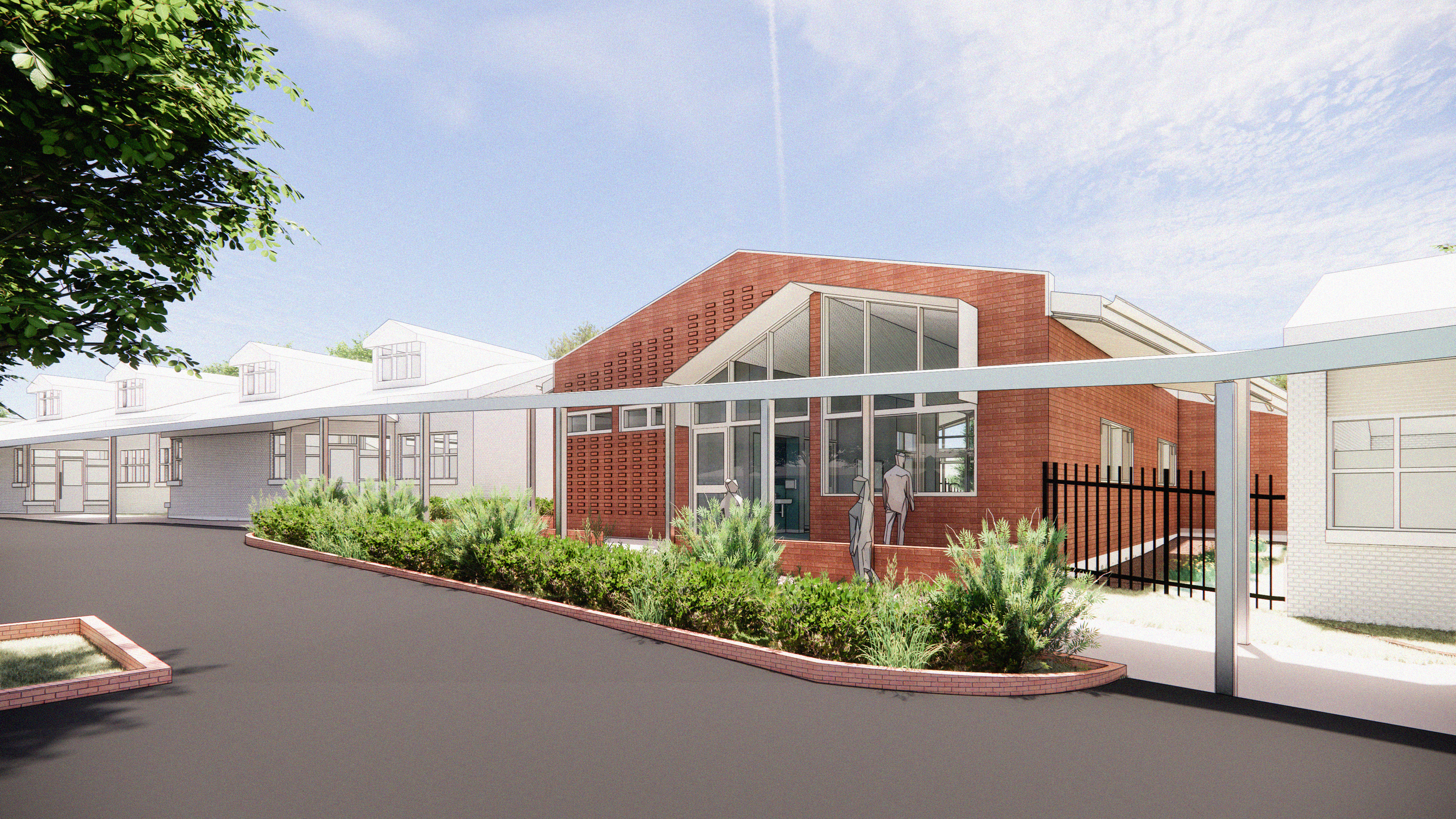
Sydenham Hillside Primary School
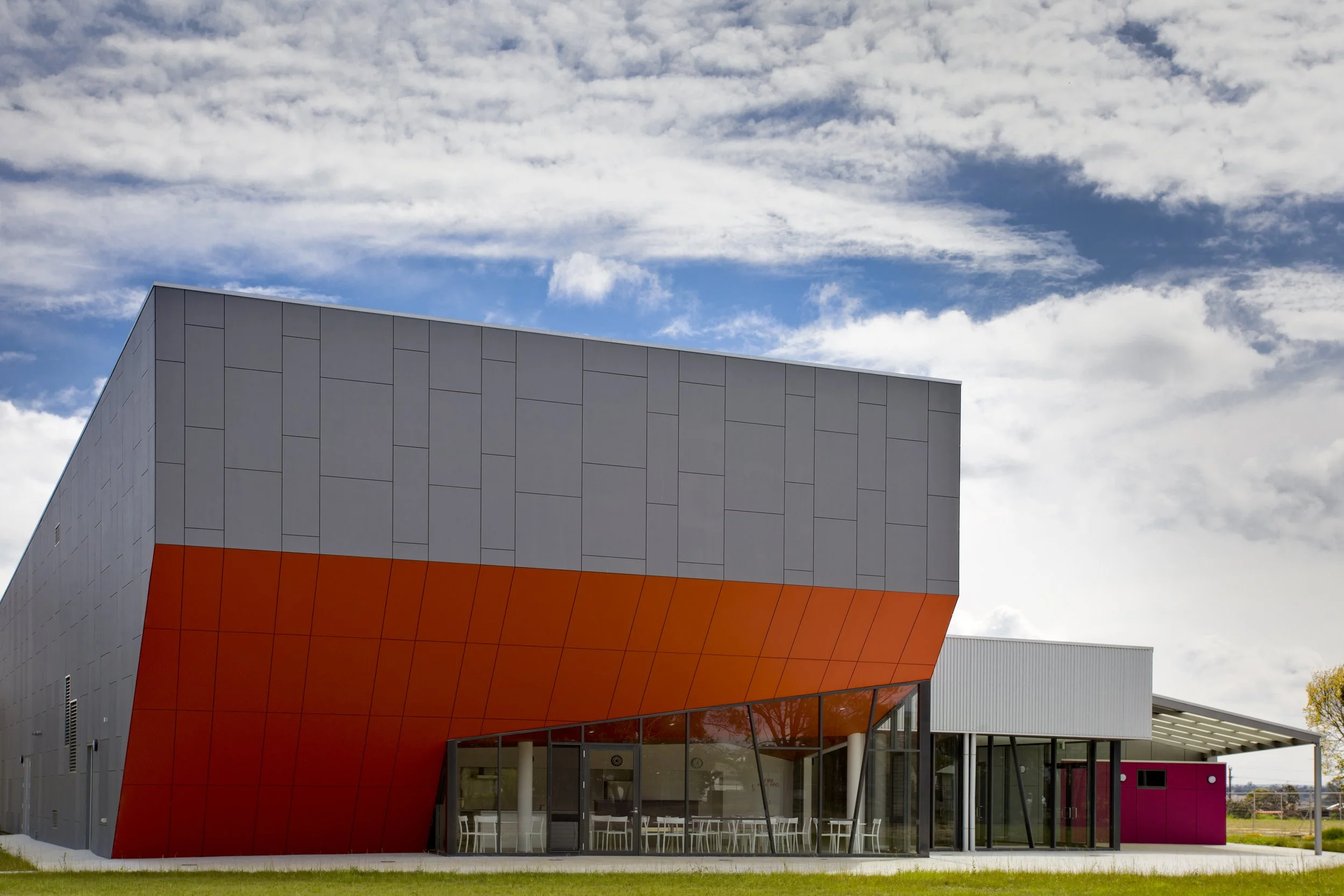
Morwell Central Primary School Performing Arts Centre
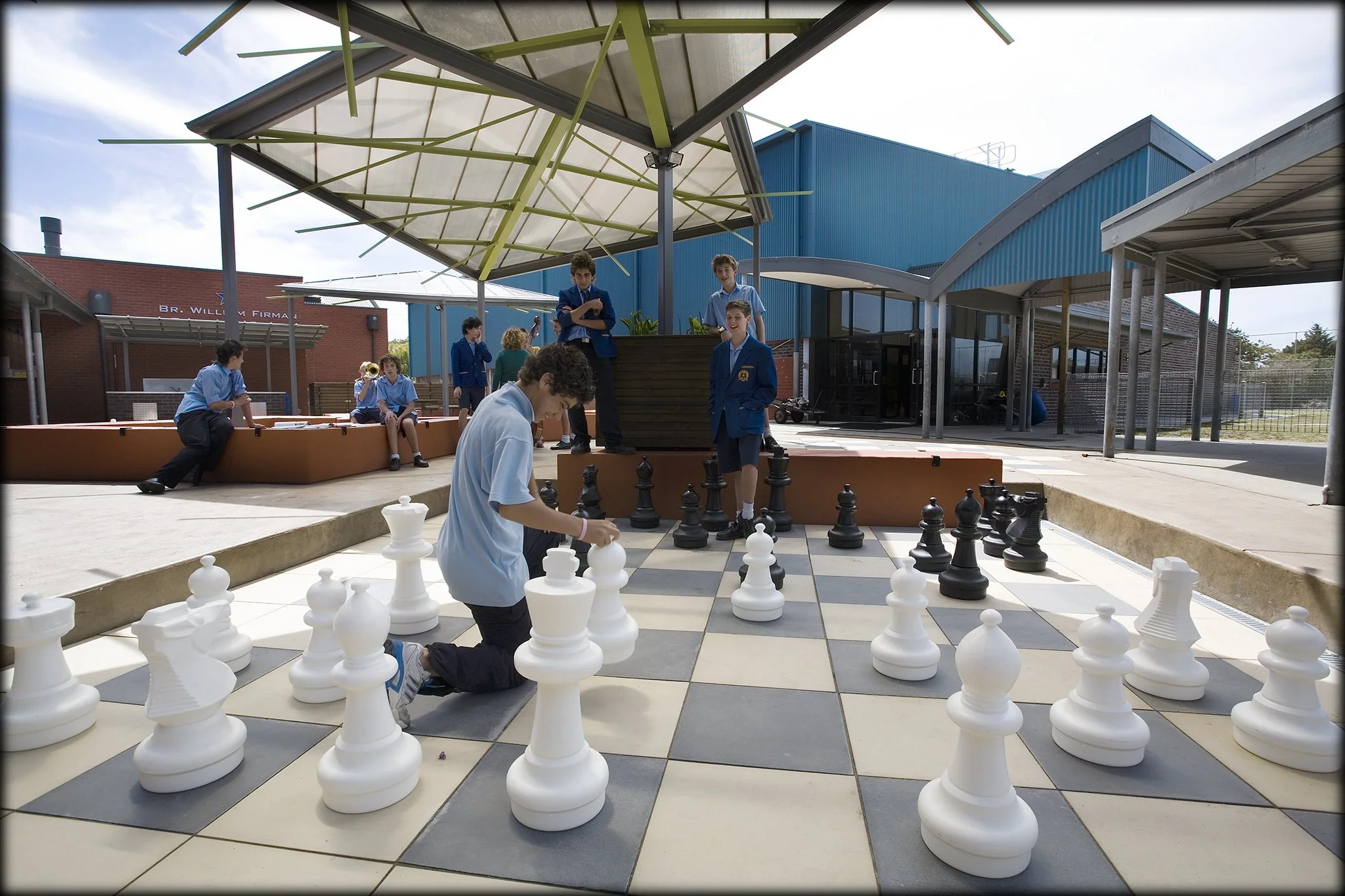
St Bede's College Passive Recreation Area
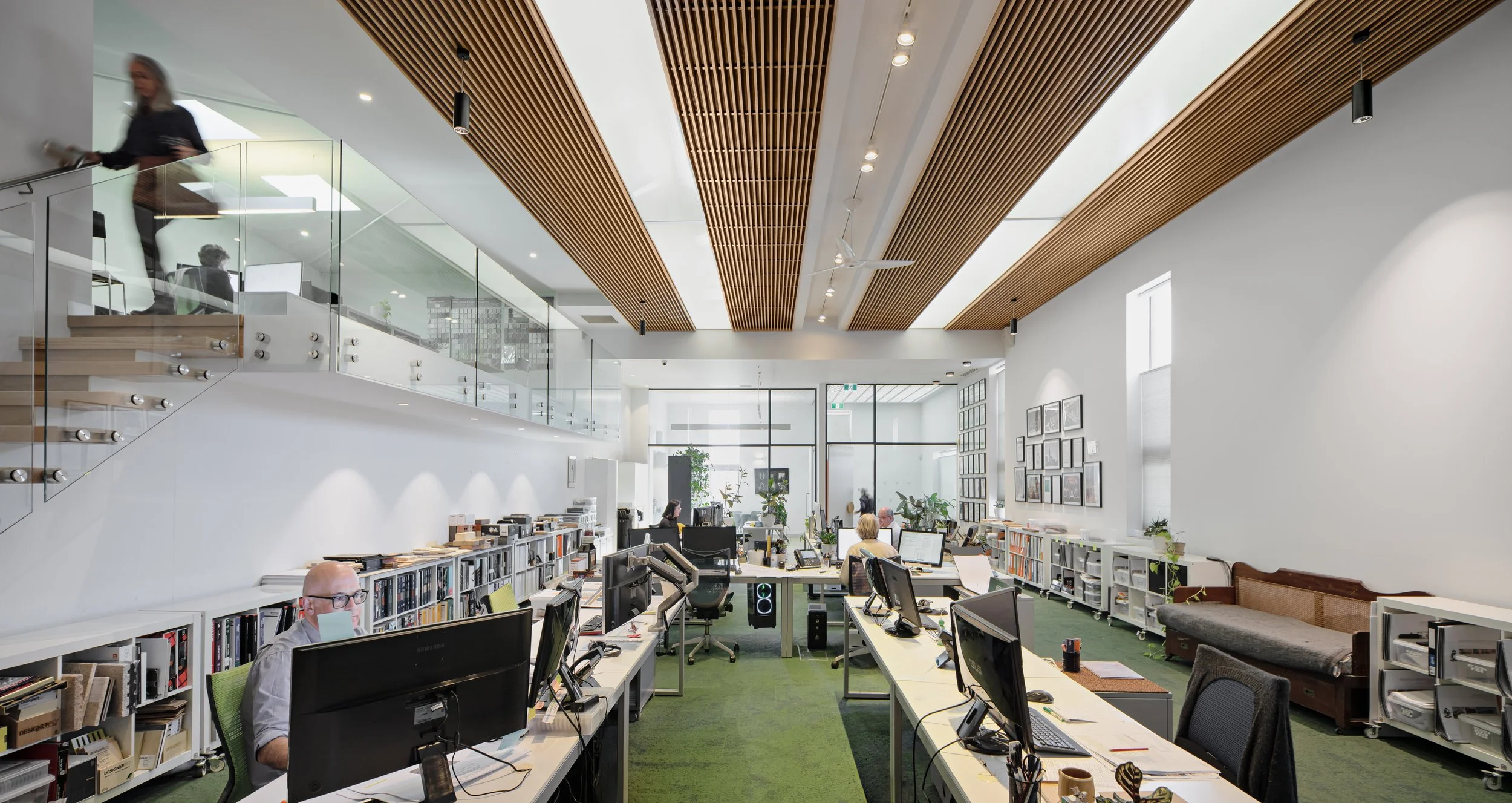
KDA Office

Nunawading Christian College Science Refurbishment
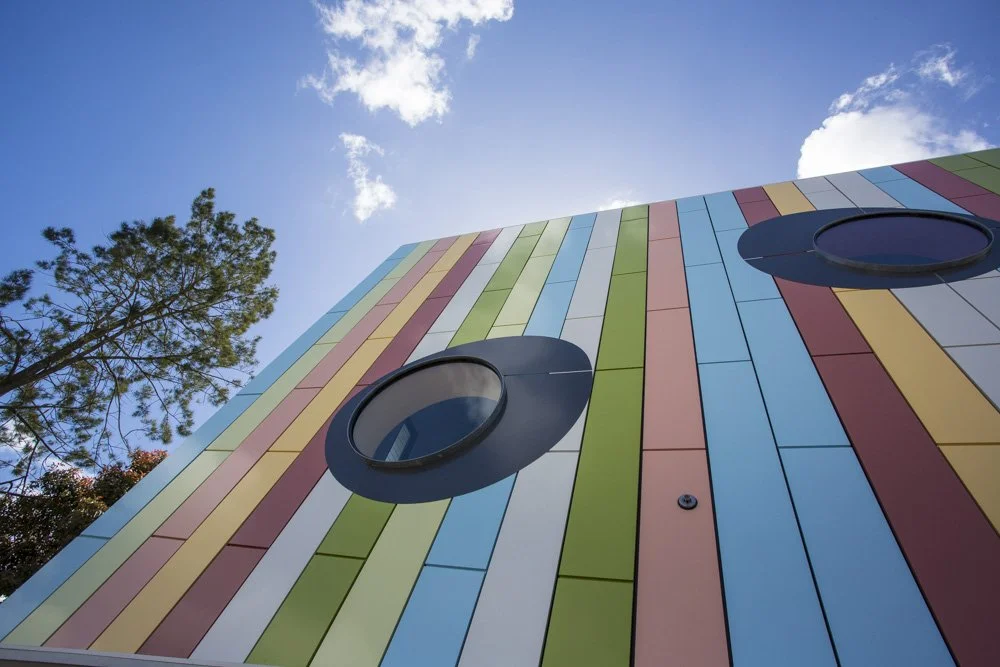
Ringwood North Primary School
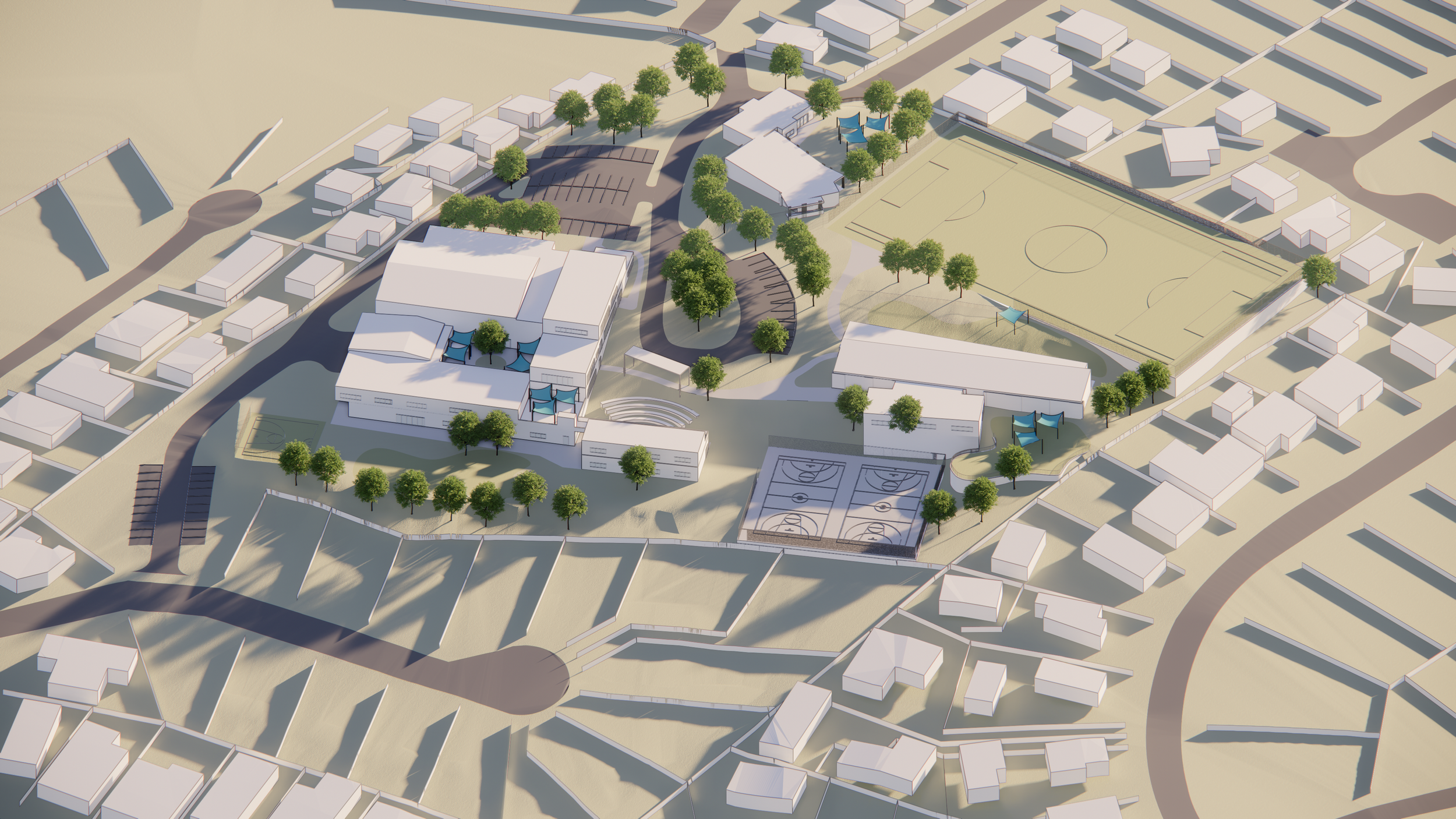
Tasmanian Adventist Schools Masterplans
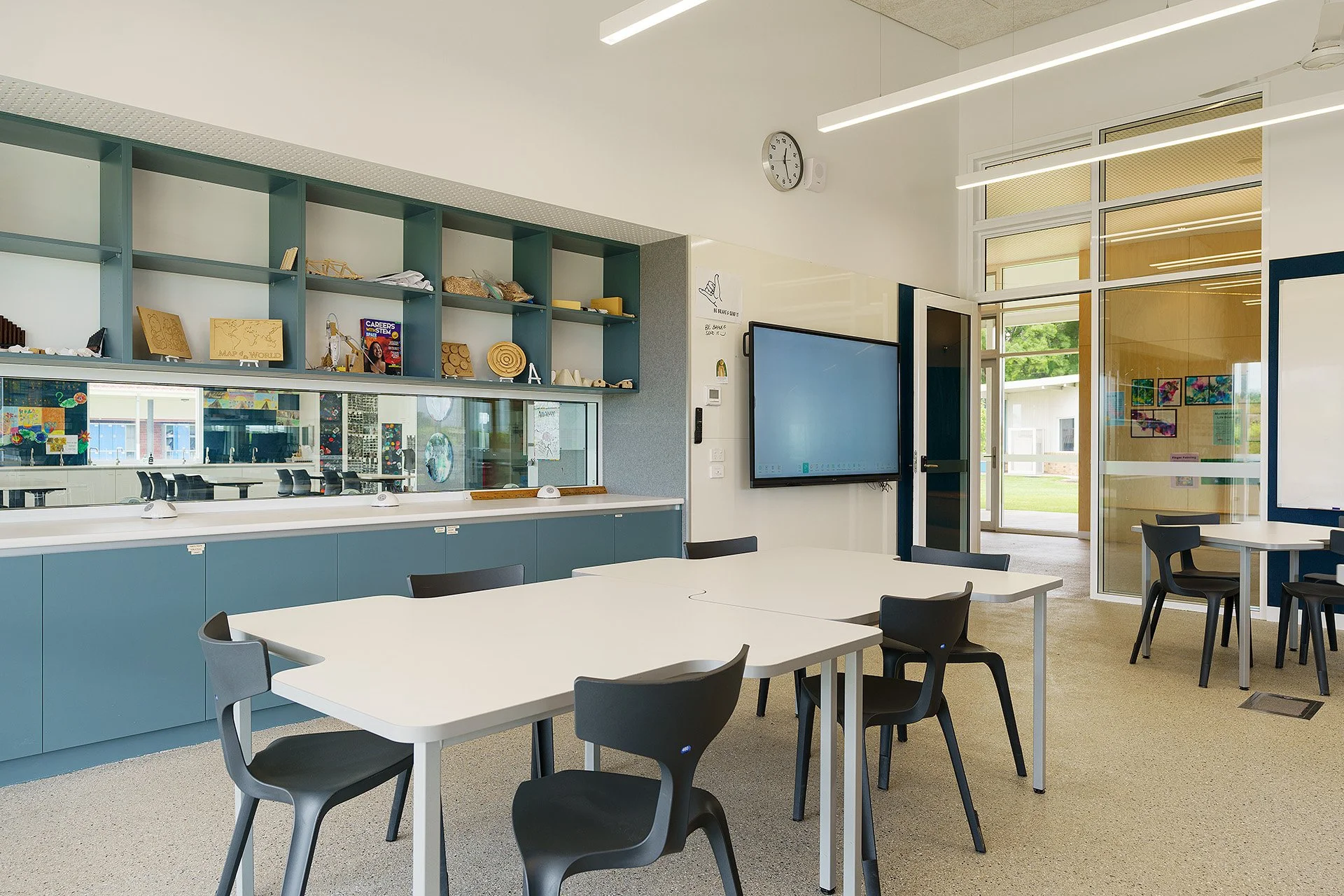
Henderson College Art & Technology
North Eastern Montessori School Middle Years
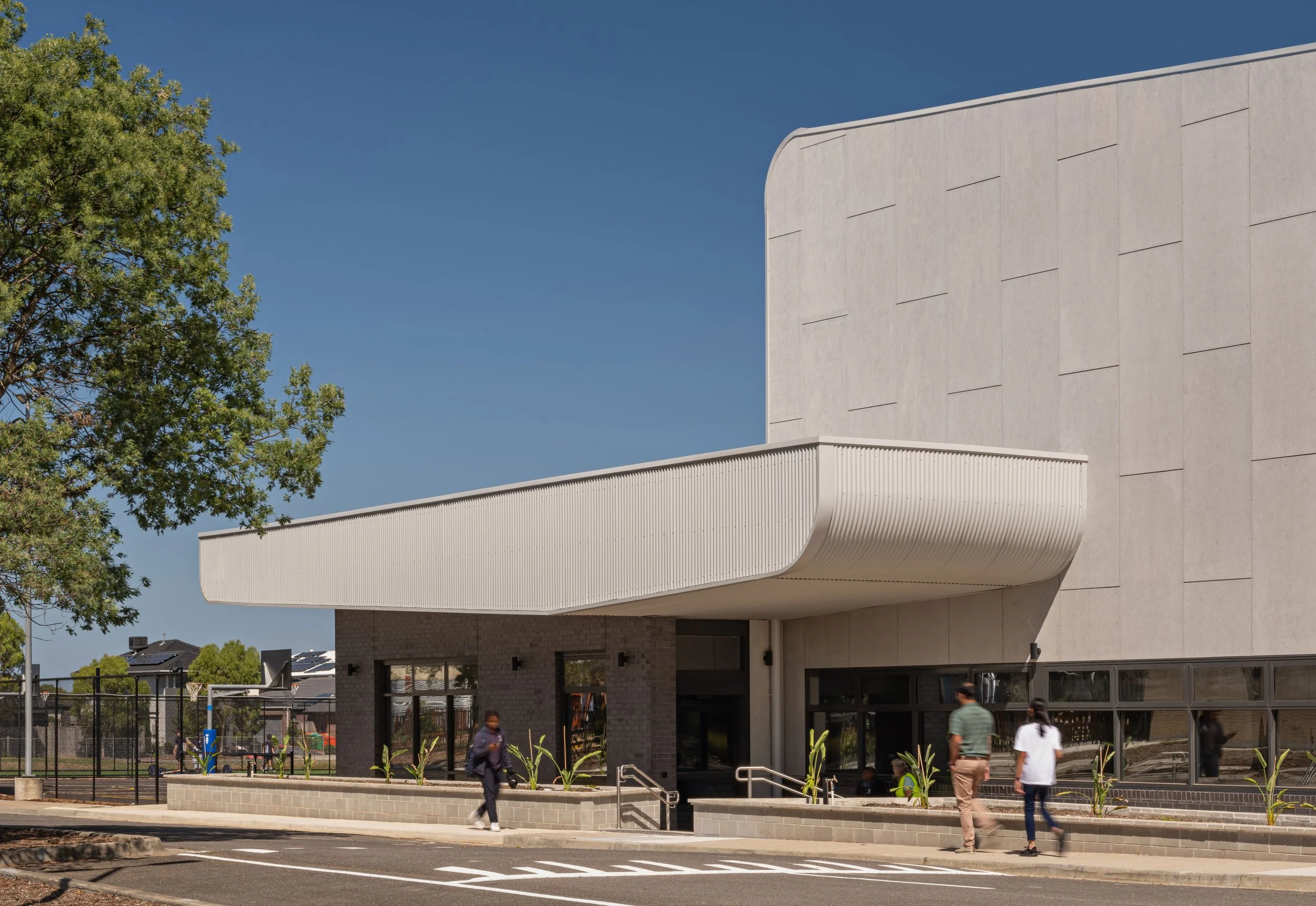
Mernda Hills Christian College Gymnasium
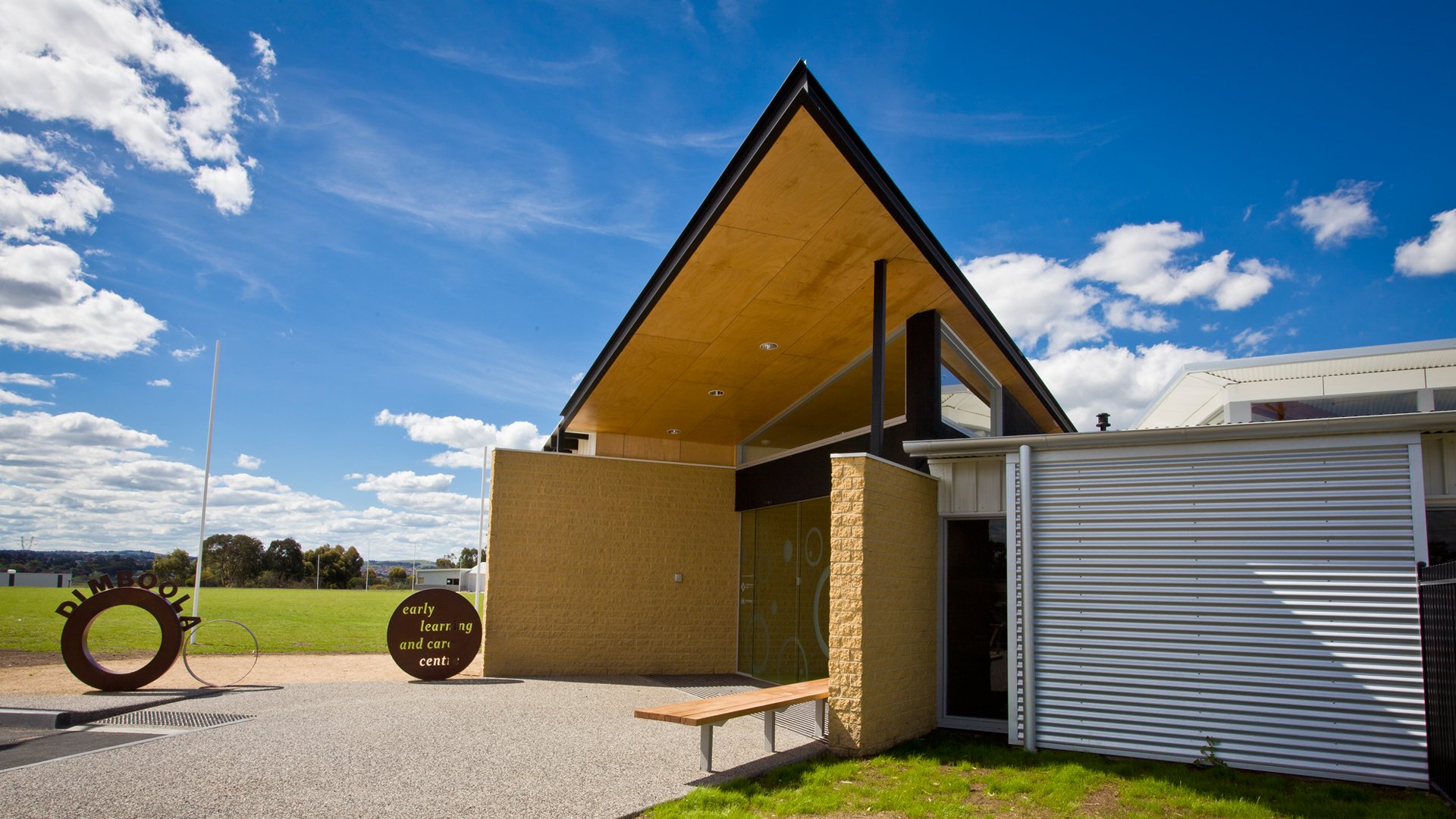
Broadmeadows Valley Children's Centre